Green Project Attempts To Tackle Jakarta’s Huge Mountains of Waste

Posted In News, Pollution
Sep
27

Excerpts;

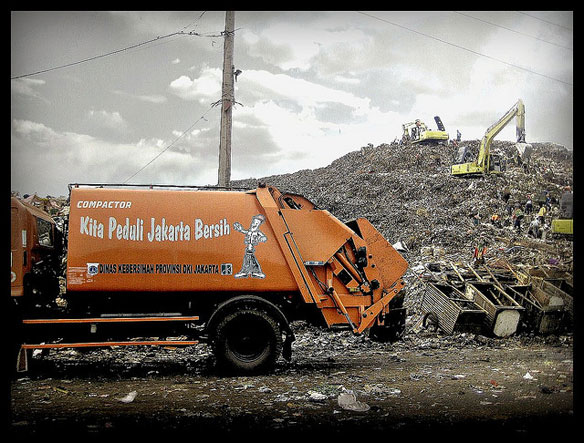
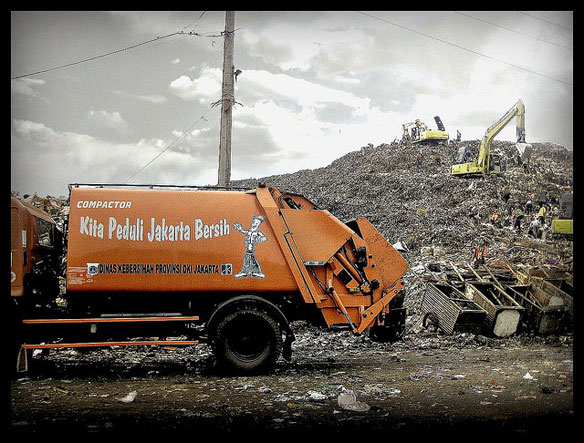
The Bantar Gebang waste landfill, has been recognised as the largest landfill in the Indonesian Islands. Established in 1989 in Bekasi, East Jakarta, an area that was predominately forest land, now 20 years later, an industry based around the unwanted refuse of other’s has been created. Over 600 trucks per day, around 5,000 workers, have found constant work and a home amongst the dumpfill.

An estimated 6,500 metric tons of garbage is deposited at the sprawling 125-hectare landfill daily.

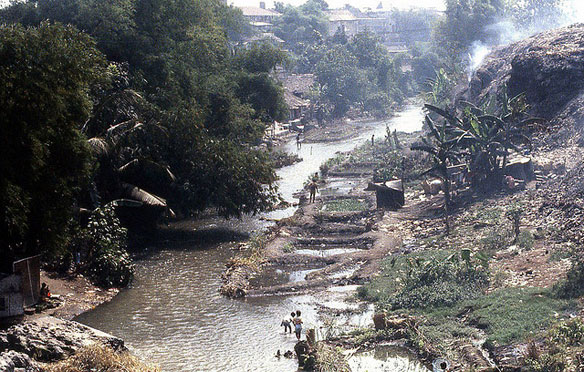
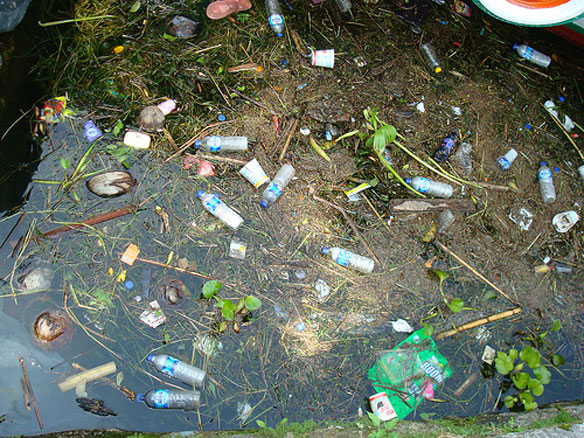
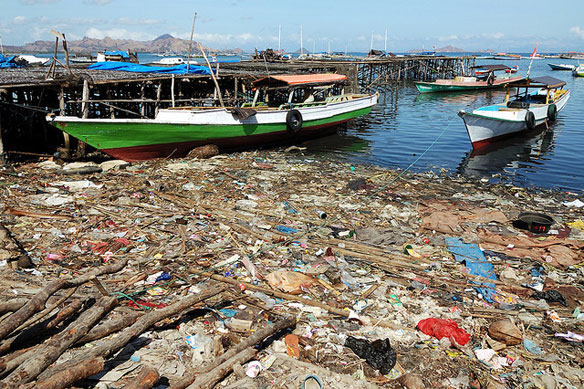
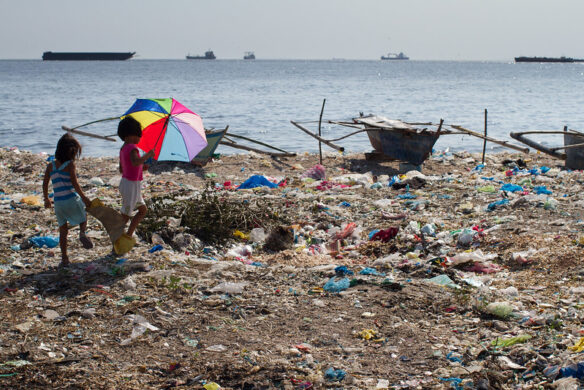
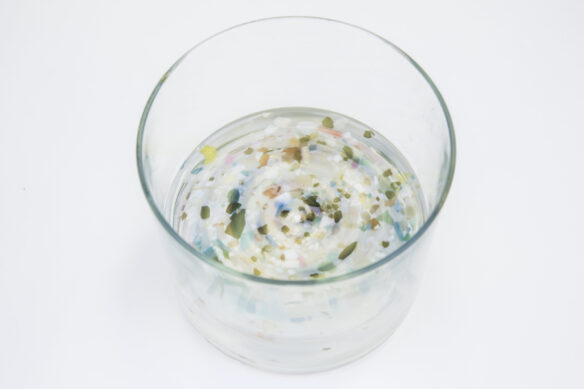
As a matter of fact, it is known now, that around four fifths of the oceanic debris is from rubbish blown seaward from landfills, or without adequate solid waste management facilities, result in hazardous wastes entering the waterways and ending up in the oceans. (Algalita Marine research Foundation).

Over the last decade, a number of villages have been outlined as a new location divert the excess waste from Bantar Gebang. In Northern Jakarta, local shrimp farmers noticed an abundance of shrimp had died weeks after a temporary landfill was established in neighboring Cilincing Village, blaming the landfill for leaking pollution into the waters, stating that the government should have never placed a dump so close to the water edge…

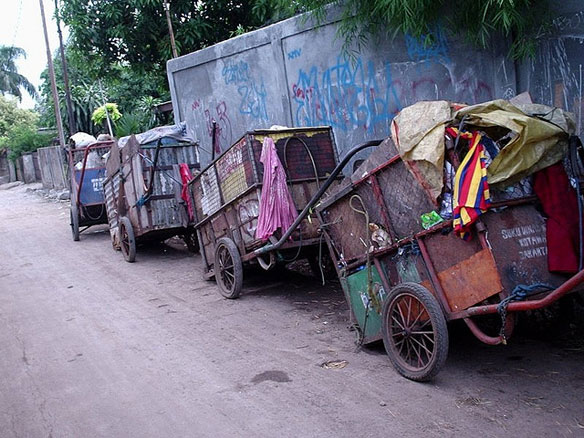
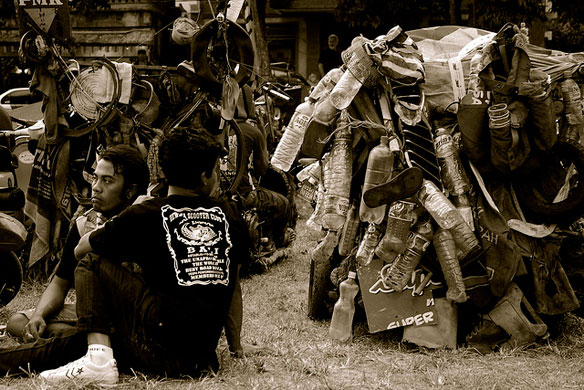
But an enterprising group of activists, Kampus Diakonia Modern (KDM)’s Green Project, has been busy trying to reduce the growing mountains of garbage by inviting people to reduce waste by salvaging whatever is recyclable from the refuse. Now and more and more, they sort out and utilize paper, plastic, rubber, glass bottles, old furniture, discarded electronics, shoes and metal from the waste, recycling what they can on site.

Green Project Tackles Jakarta’s Mountains of Waste, Read Original Article, The Jakarta Globe

KDM Green Project

Jakarta Residents Cash Their Trash at ‘Waste Banks’,The Jakarta Globe
Dozens of people line up in East Jakarta with bags filled with plastic bottles, glass containers, paper and cardboard. They are there to sell their trash to the local “waste bank” cooperative, which is helping to teach residents about recycling and addressing garbage problems.
Collecting To Survive, At Bantar Gebang: A Slideshow

Living off the landfill: Indonesia’s resident scavengers

Related Posts

Tags:

Post comment

You do not have the Flash plugin installed, or your browser does not support Javascript (you should enable it, perhaps?)


Coastal Care junior
The World's Beaches
Sand Mining
One Percent