
BP “Missed Big Hazards” Before Gulf Oil Spill
US government panel criticises oil firm’s approach to safety on contracted rigs prior to the Deepwater Horizon disaster in 2010.
BP Oil Spill May Have Contributed to Dolphin Deaths, Study Finds
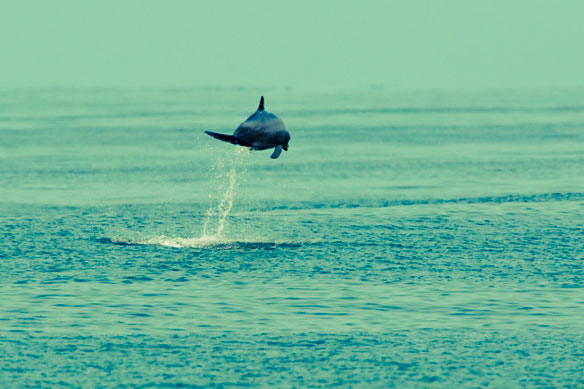
The 2010 BP oil spill contributed to an unusually high death rate for dolphins in the Gulf of Mexico, a new study suggests.
Fossil Fuel Subsidies; the Answer Lies in the Gulf
As the slow-burn of climate change spreads across the four corners of the globe, governments are fanning the global flames by dishing out a trillion dollars of fossil fuel subsidies each year, creating a perpetual pollution-pumping machine that’s poisoning the planet with ever-greater intensity. NRDC and other NGOs are demanding that world leaders focus instead on promoting rapidly developing clean energy technologies to protect our natural resources and maintain a sustainable planet. It’s not rocket science. But there are powerful special interests standing in the way…
Gulf Spill Trial Delayed Until 2013
A trial to assign blame and damages that could total tens of billions of dollars for the 2010 Gulf of Mexico oil spill has been put off until January…
US Appeals Court to Consider Shell’s Plan to Drill New Wells in Gulf of Mexico
A U.S. appeals court is set to hear a challenge from environmental groups seeking to block Shell from drilling 10 new deepwater wells off the coast of Alabama, one of the first drilling approvals since the disastrous 2010 Gulf of Mexico oil spill.
Two Years Later: New Partnership for People and Nature in the Gulf
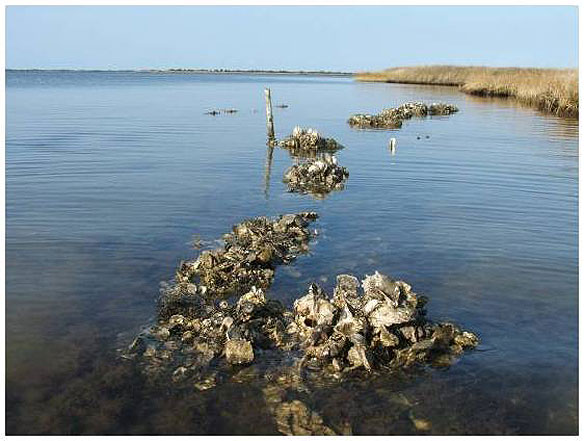
New Partnership aims to show that environmental restoration is the foundation for lasting economic security for Gulf Coast communities.
How Much is a Dolphin Worth?
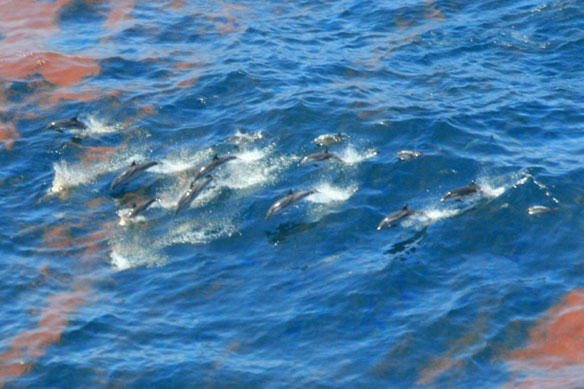
Two years after the Gulf of Mexico oil disaster, BP and US authorities wrangle over how much should be paid in damages
Marine Scientists Urge Government to Reassess Oil Spill Response
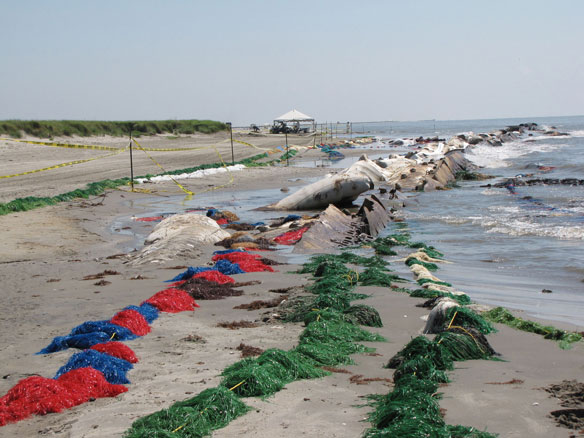
On the second anniversary of the Deepwater Horizon blowout, a national panel of researchers is urging the federal government to reassess how it would respond to similar oil spills that might occur in the future.
BP Seals $7.8 bn Settlement in US Oil Spill
Oil giant BP said Wednesday it has finalized a $7.8 billion deal to settle thousands of claims from fishermen and others affected by the 2010 Gulf of Mexico oil spill…