
Pregnant whale washed up in Italian tourist spot had 22 kilograms of plastic in its stomach
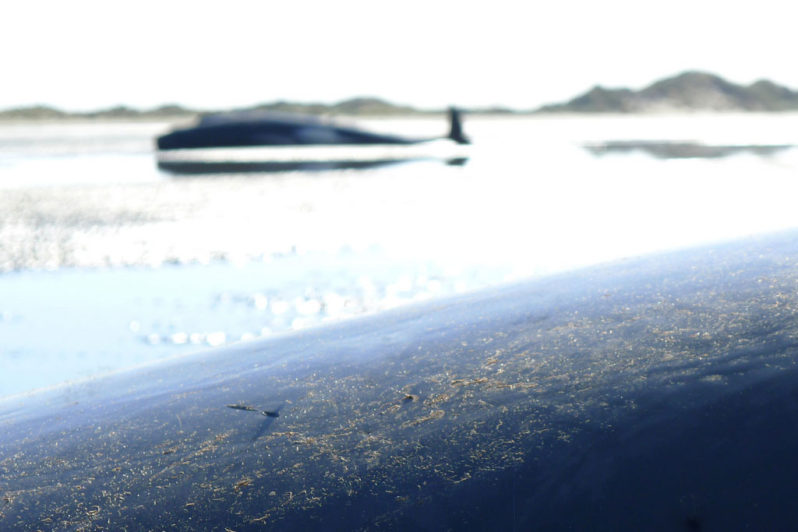
The carcass of a pregnant sperm whale that washed up in Sardinia, Italy, last week had 22 kilograms (49 pounds) of plastic in its stomach, and was carrying a dead fetus, the country’s environment minister and a marine life non-profit organization said.
Even Antarctica’s Coldest Region Is Starting to Melt
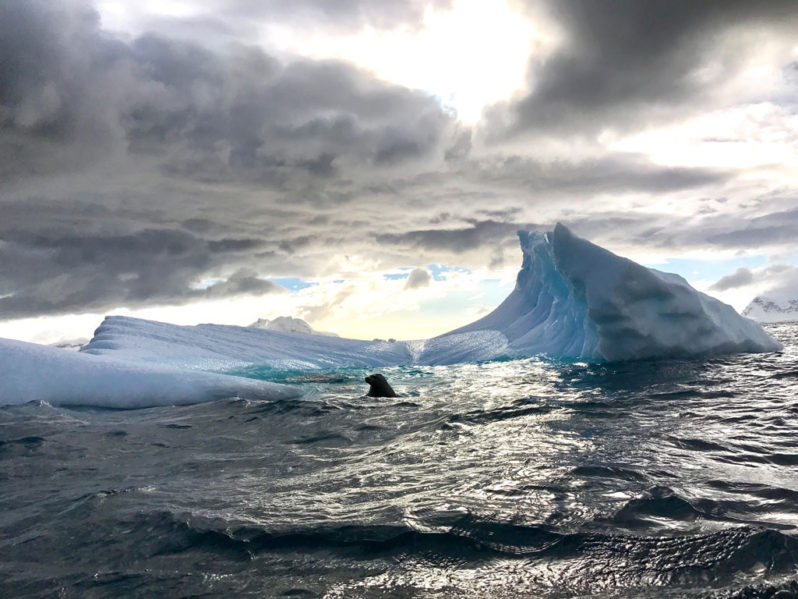
East Antarctica is the coldest spot on earth, long thought to be untouched by warming. But now the glaciers and ice shelves in this frigid region are showing signs of melting, a development that portends dramatic rises in sea levels this century and beyond.
Sea anemones are ingesting plastic microfibers
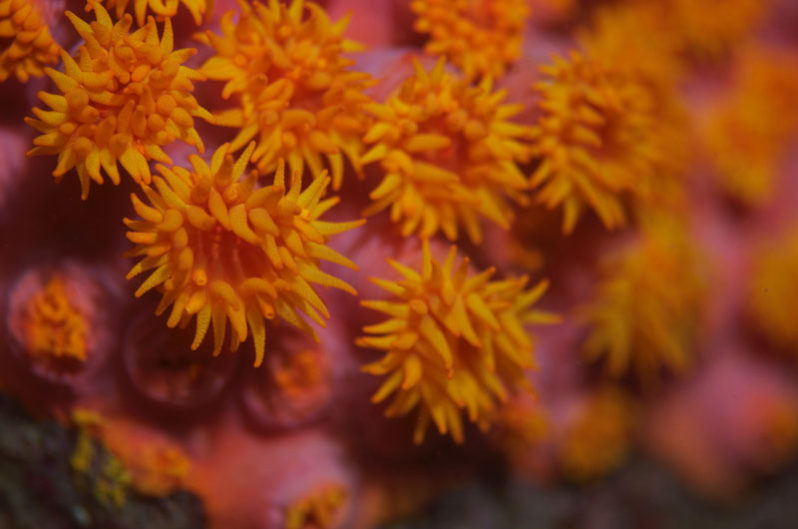
Tiny fragments of plastic in the ocean are consumed by sea anemones along with their food, and bleached anemones retain these microfibers longer than healthy ones, according to new research.
Why do Garfield phones keep washing up on this beach?
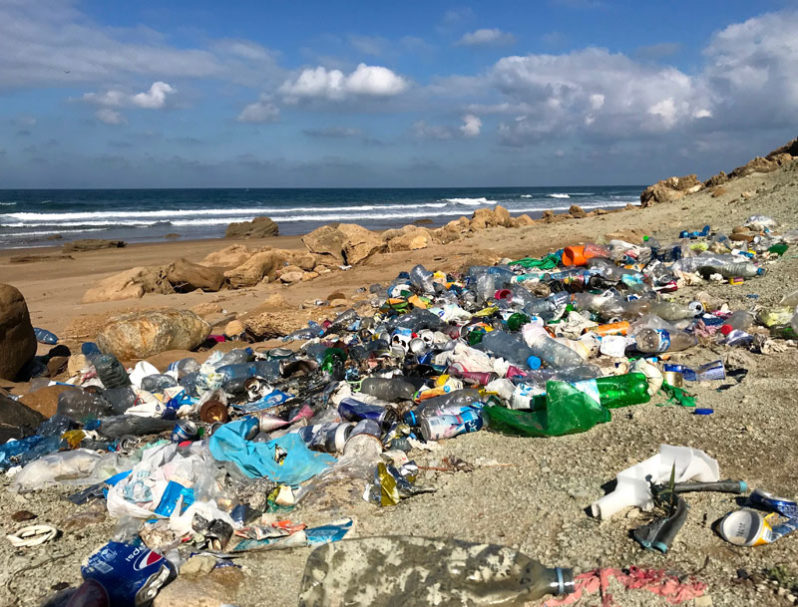
For three decades it was a mystery that seemed to defy belief. Bright orange plastic novelty phones shaped like the grumpy cartoon cat Garfield kept washing up on the rocky Atlantic shoreline of Brittany, in western France.
Hudson river shows signs of rebound after decades as New York’s sewer
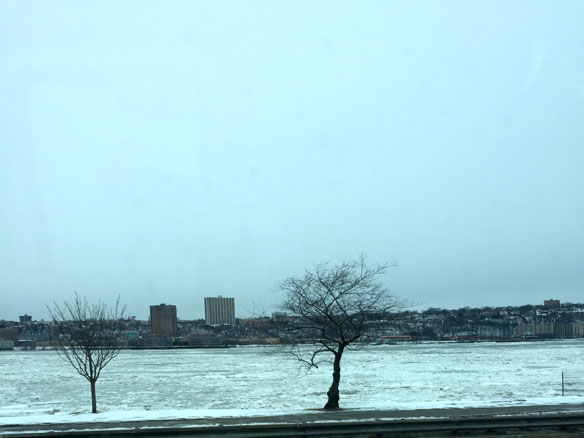
New York’s Hudson river, once known as America’s Rhine in a nod to the famous European waterway, played a pivotal role in bolstering American power at the cost of decades of foul pollution.
Coastal Conservation Plan Sparks Fight Over Sand
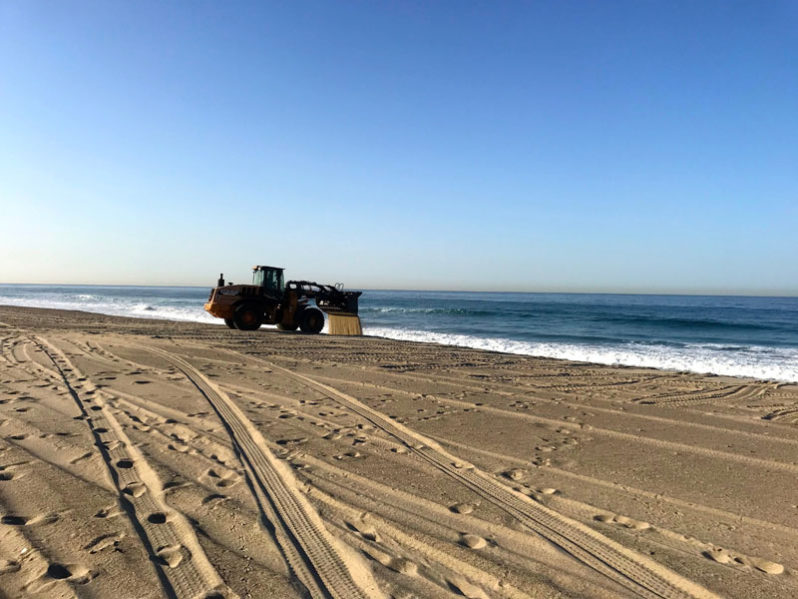
Beach communities that rely on dredging to replenish protective dunes object to expanded federal protections. Environmental advocates are pushing back with warnings about the possible ecological damage from beach replenishment projects that they call sand mining.
The Destruction of the Environment: An Unfolding Tragedy for Humanity
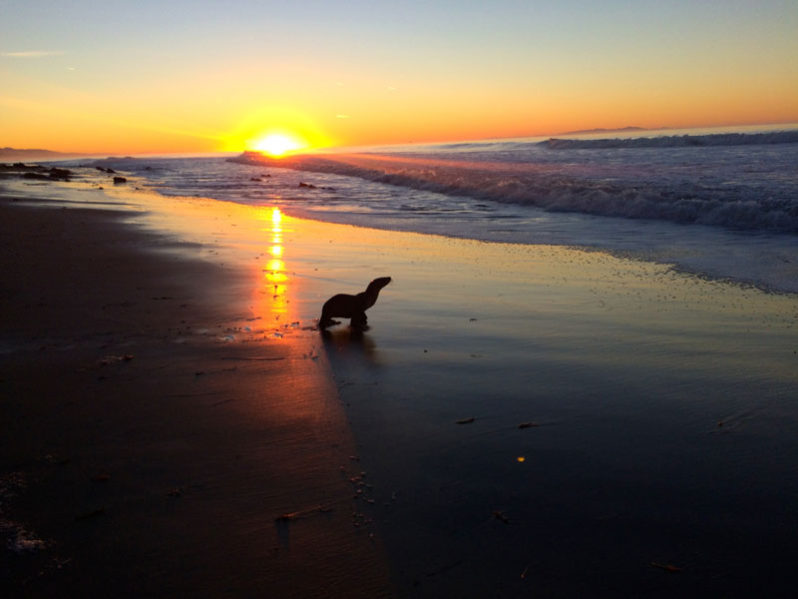
The 2019 Global Risks Report from the World Economic Forum identified “Major biodiversity loss and ecosystem collapse (terrestrial or marine)” as both one of the most likely and most serious global risks with “irreversible consequences for the environment, resulting in severely depleted resources for humankind as well as industries.”
Thirty years after Exxon Valdez, the response to oil spills is still all wrong
Chemicals used to clean up spills have harmed marine wildlife, response workers and coastal residents. The EPA must act
Will large protected areas save the oceans or politicize them?
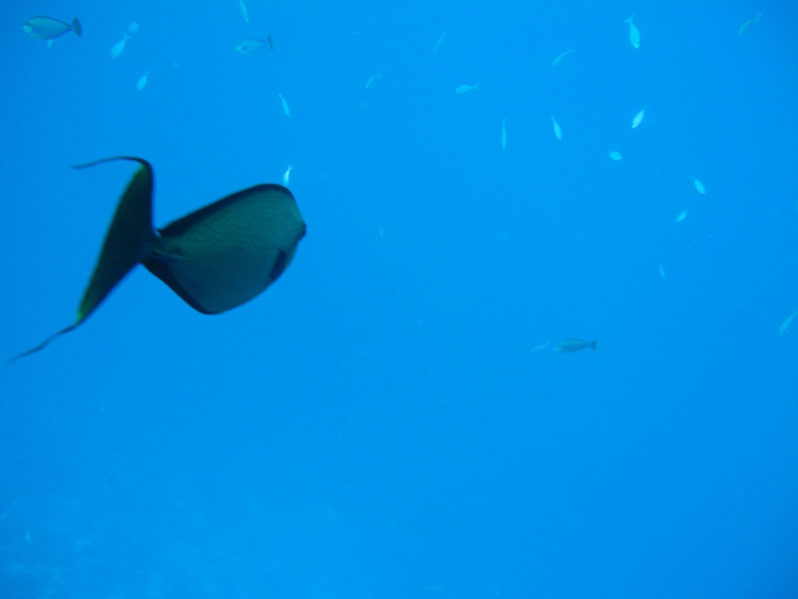
How can we save the oceans? They cover two-thirds of the planet, but none are safe from fishing fleets, minerals prospectors, or the insidious influences of global warming and ocean acidification. In the past decade, there has been a push to create giant new Marine Protected Areas (MPAs). They now cover nearly 9.7 million square miles.