
What seabirds can tell us about the tide
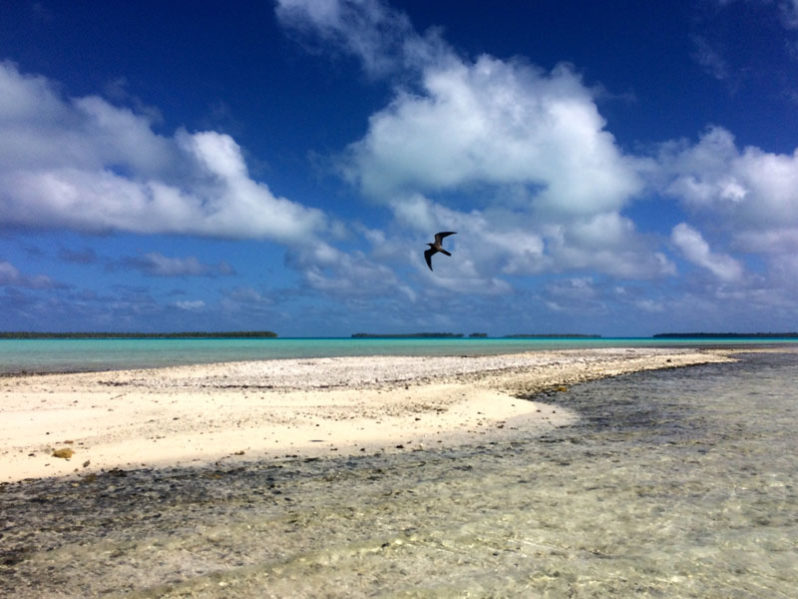
A study, aimed to track tagged seabirds’ behaviour and movements along the coast, revealed that, at night, these seabirds spent a lot of their time idle on the sea surface. Using seabirds to tell us about the tide could be especially useful for the marine renewable energy industry. Generating tidal energy requires detailed knowledge of current speeds.
Marine waste is turning the Earth into a plastic planet
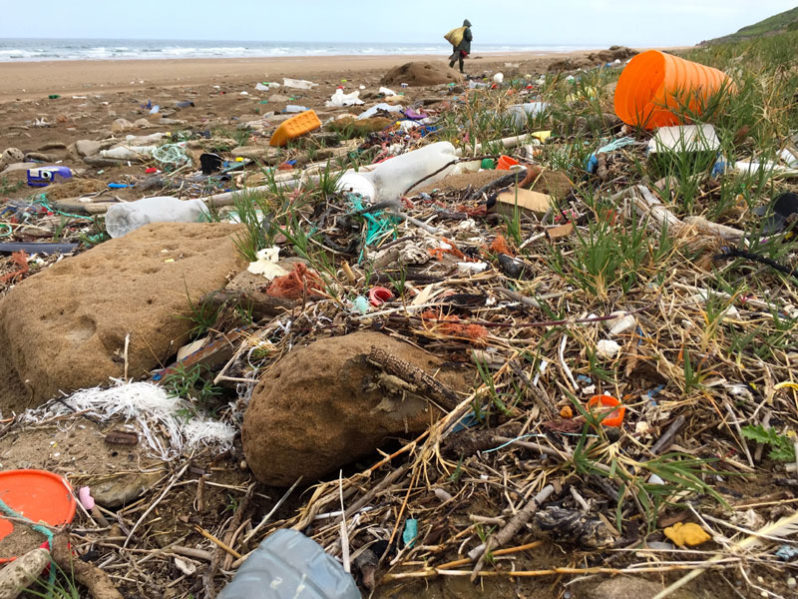
The Ocean Atlas published by the German Heinrich Boll Foundation, an independent international green think tank for policy reform and the University of Kiel’s Future Ocean Cluster of Excellence, lists the top 20 nations with the worst plastic waste mismanagement around the world.
After a Long Boom, an Uncertain Future for Big Dam Projects
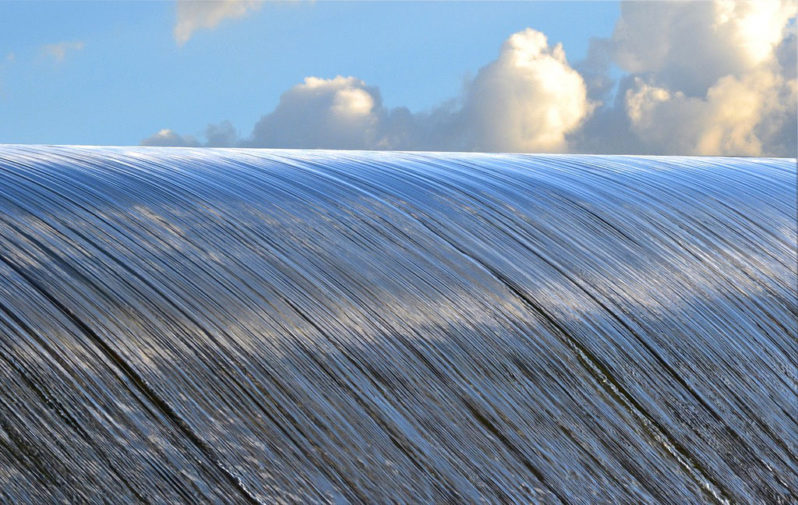
The rise of wind and solar power, coupled with the increasing social, environmental and financial costs of hydropower projects, could spell the end of an era of big dams. But even anti-dam activists say it’s too early to declare the demise of large-scale hydro.
How plastic waste moves in the environment
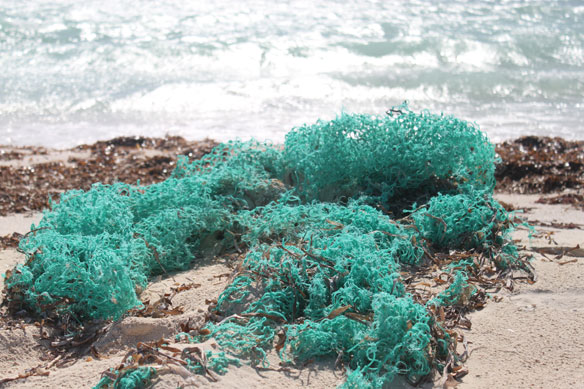
A researcher for the first time has modeled how microplastic fibers move through the environment. The work could someday help communities better understand and reduce plastics pollution, which is a growing problem around the world.
Managing wastewater to support coral reef health, resilience
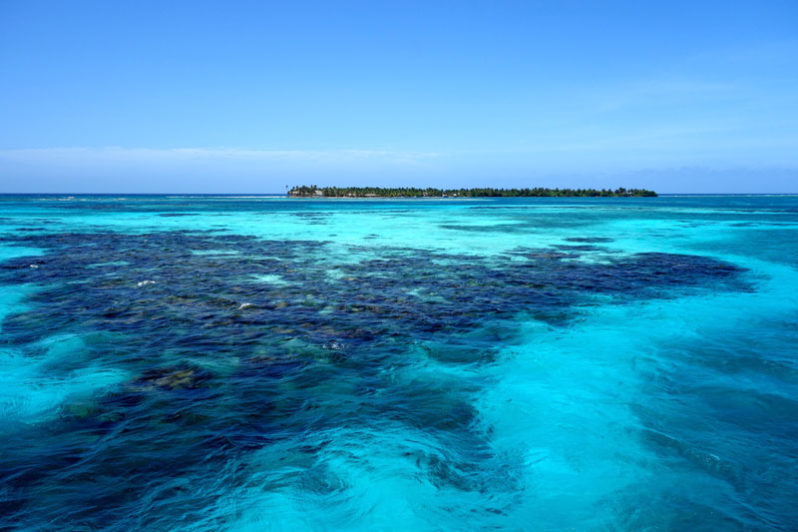
Coral reefs provide food and livelihoods for hundreds of millions of people around the world, support more than a quarter of all marine life, and protect communities and coastlines from natural disasters—and if urgent action is not taken, we risk losing them forever.
Cruise ship captain fined €100,000 for using dirty fuel
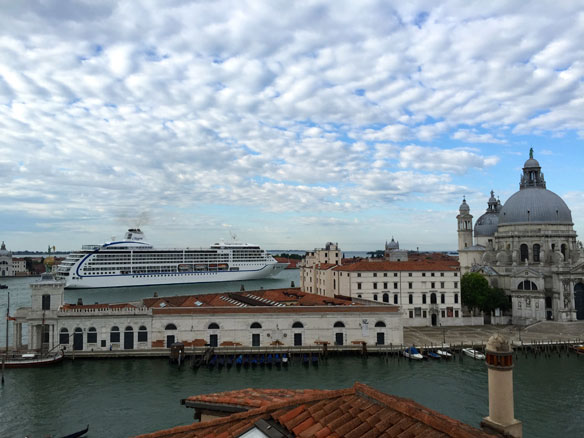
The captain of a cruise ship found to be burning fuel with excessive sulphur levels has been fined €100,000 in a Marseille court, the first such ruling in France. The prosecution was intended to signal a new seriousness in tackling pollution from cruise ships.
145 pilot whales die in stranding on New Zealand beach
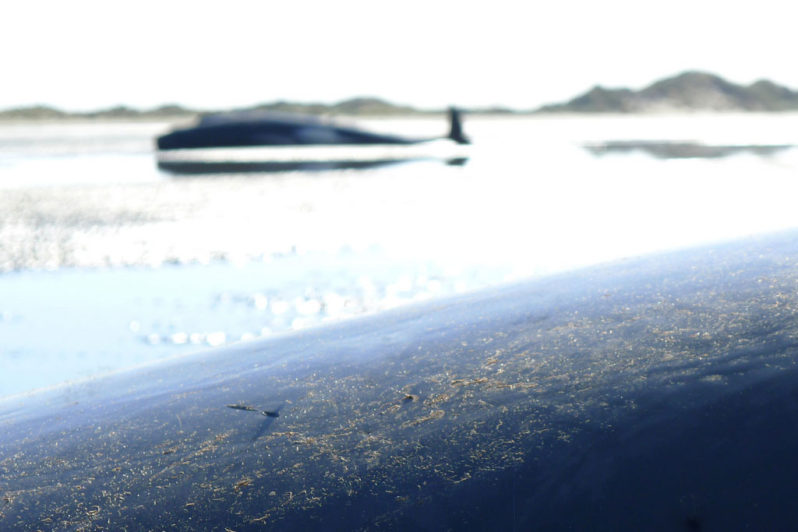
A group of 145 pilot whales stranded themselves on a remote New Zealand beach and died.
‘Washaway Beach,’ fastest-eroding place on the West Coast, cobbles together a solution
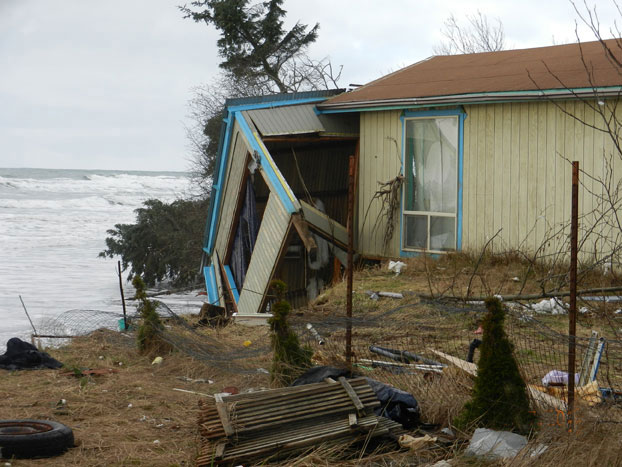
There’s a reason a quiet and desolate strip of sand here is nicknamed Washaway Beach. Coastal erosion has claimed an average of 100 feet of this shoreline every year for the last century. That makes North Cove the fastest-eroding place on the West Coast.
Climate Solutions: Is It Feasible to Remove Enough CO2 from the Air?
A U.S. scientific panel reports that technologies that take CO2 out of the atmosphere could be a significant part of a strategy to mitigate global warming.