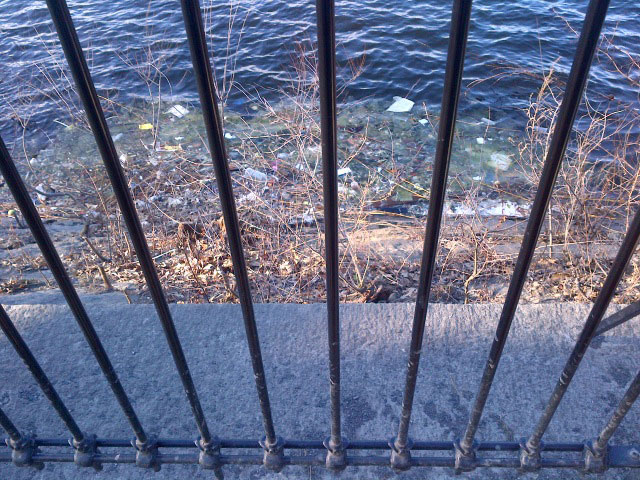
Plastic Pollution
Photo: Manan Vastsyayana
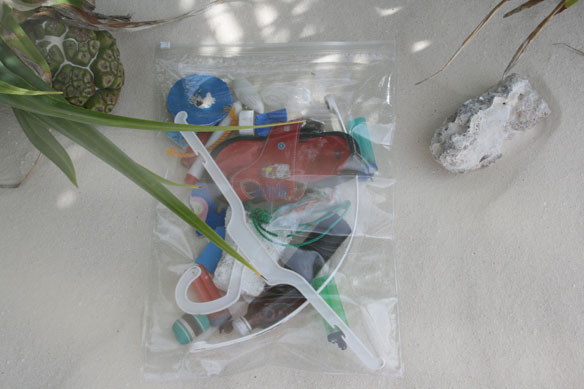
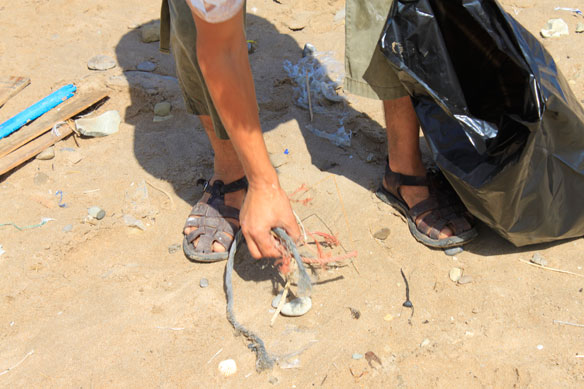
Unprecedented Plastic Pollution
When The Mermaids Cry: The Great Plastic Tide
By Claire Le Guern Lytle
The world population is living, working, vacationing, increasingly conglomerating along the coasts, and standing on the front row of the greatest, most unprecedented, plastic waste tide ever faced.
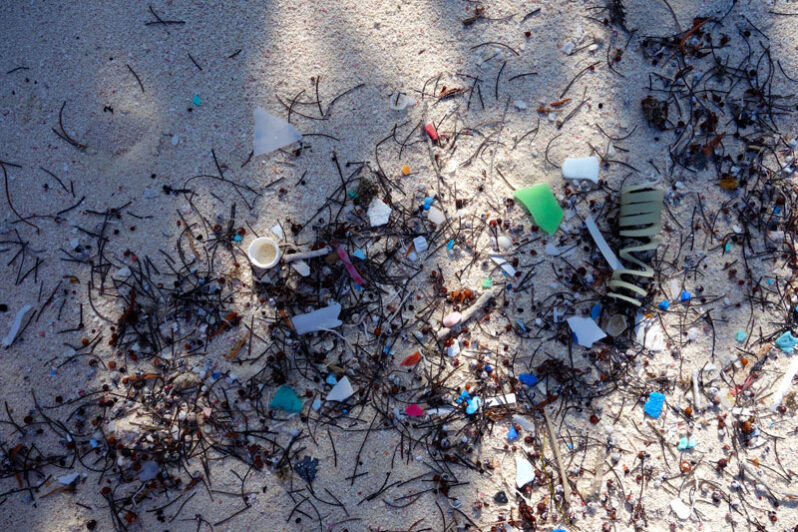
Washed out on our coasts in obvious and clearly visible form, the plastic debris spectacle blatantly unveiling on our beaches is only the prelude of the greater story that unfolded further away in the the world's oceans, yet mostly originating from where we stand: the land.
In 2008, our global plastic consumption worldwide has been estimated at 260 million tons. Plastic is versatile, lightweight, flexible, moisture resistant, strong, and relatively inexpensive. Those are the attractive qualities that lead us, around the world, to such a voracious appetite and over-consumption of plastic goods. However, durable and very slow to degrade, plastic materials that are used in the production of so many products all, ultimately, become waste with staying power. Our tremendous attraction to plastic, coupled with an undeniable behavioral propensity of increasingly over-consuming, discarding, littering and thus polluting, has become a combination of lethal nature. Read More
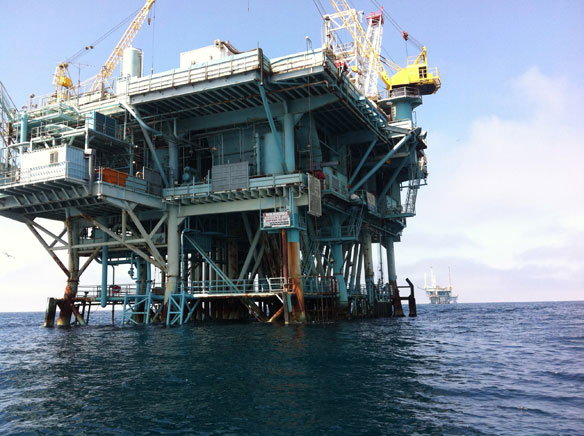
Oil Pollution
Exxon Valdez oil spill in 1989
Boy walks on beach in Cochin, southwest India.
Oil spills on the worlds beaches and in the worlds oceans
By Linda Pilkey-Jarvis
Beaches and river shorelines all over the world are at risk from oil spills. Spills are most likely to occur while oil is transported or transferred between oil tankers, barges, pipelines, refineries, and distribution or storage facilities. Spills may also occur during natural disasters (such as hurricanes), or through deliberate acts by countries at war, sunken ships, vandals, or illegal dumpers. Read More
Trash Pollution
Ocean Pollution... and Ocean Polluters
By Bekah Barlow
Did you know that it's legal to dump trash in the ocean? Yes, there are limitations for what you can and cannot dump. But it is perfectly acceptable to dump your raw sewage, paper, rags, glass, metal, bottles, or similar refuse, as long as you are at least 12 miles away from the nearest shoreline. It is not permissible to dump plastics anywhere. Read More
Surfing in / Pollution
Chevron Accepts Responsibility For Oil Spill Off Brazil’s Coast
California oil giant Chevron Corp. promised to fully clean up a spill off Brazil’s coast, taking responsibility for an accident that has become a major test for one of the world’s fastest-growing oil frontiers. 416,400 litres had leaked so far, since the accident happened almost two weeks ago…
Most oil emptied from stricken New Zealand ship
Salvage crews have pumped almost all the oil from a container ship that ran aground on a New Zealand reef and caused the country’s worst maritime pollution disaster, authorities said Monday. The cost of the response so far was about $12 million.
New US offshore oil leasing plan includes Arctic
The Obama administration proposed a new plan for offshore oil and gas leases in the Gulf of Mexico and off the coast of Alaska, including the environmentally sensitive Arctic.
Building Schools And Houses Out Of Plastic Trash
“How can we change the world? It starts with the kids…”
Decline in Dead Zones: Efforts to Heal Chesapeake Bay Are Working
Although climatic factors and sea level rise are influencing hypoxia, efforts to reduce the flow of fertilizers, animal waste and other pollutants into the Chesapeake Bay, appear to be giving a boost to the bay’s health, a new study that analyzed 60 years of water quality data has concluded.
New Charges As Storm Threatens Stranded N.Z. Ship
Officers from Rena, the cargo ship stranded on a New Zealand reef for nearly a month now, faced new charges Wednesday amid ongoing fears the vessel could break up, leaking more oil and worsening the environmental disaster.
EU To Extend Coastal Pollution Fines To 200 Nautical Miles
The European Commission proposed new rules to force oil-drilling companies to pay for pollution caused up to 200 nautical miles off European coastlines.
Houses Made Of Plastic Bottles, Argentina
A man in Argentina who built his house and furniture out of plastic bottles has been so successful that he is now teaching other people how to do the same.
North Sea Oil Spill Risk Unacceptably High
The European commission has warned that the likelihood of a Deepwater Horizon-type accident in the North Sea remains “unacceptably high” as it outlined new laws to counter the danger.