
Is Your Home At Risk Of Flooding From Rising Seas By 2050? Check This Map.
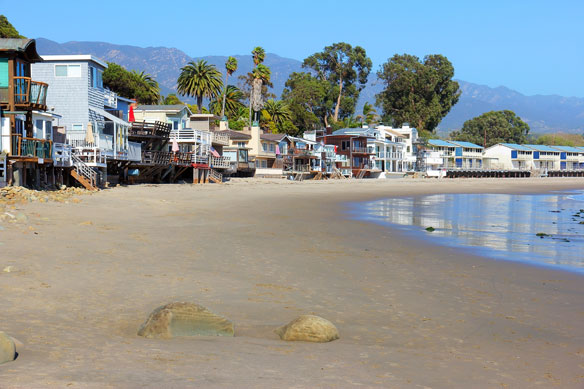
Even if the world more aggressively tackles global warming, about 350,000 homes across the US, worth about $190 billion at today’s prices, are built on land that’s at risk of annual flooding by 2050. And if no steps are taken to curb carbon emissions, the number of at-risk homes jumps to about 385,000.
The Largest River Delta in Europe
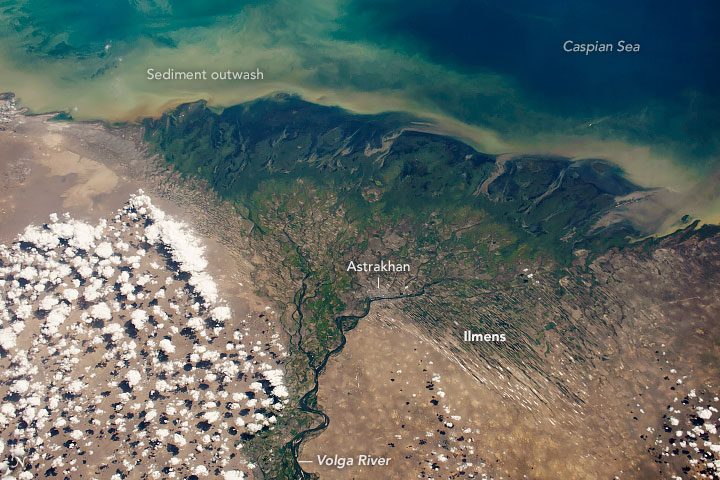
Over the past century, the Volga Delta has grown from 3,222 square kilometers (1,244 square miles) in 1880 to 27,224 square kilometers (10,511 square miles) today. This significant growth is due both to sea level changes in the Caspian and the broad, gentle slope of the delta.
The Caribbean island of Mayreau could be split in two due to erosion
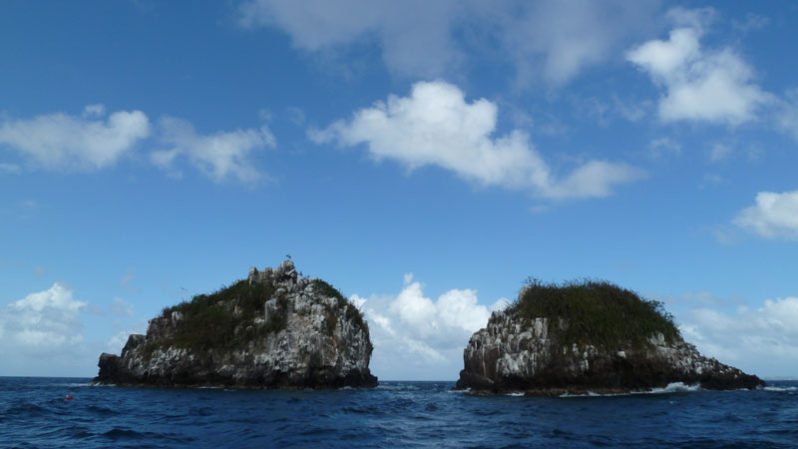
After years of erosion by the waves, people living on Mayreau, an island in the southern Grenadines, are confronted with the real possibility that the sea will split their island in two, and destroy its world famous Salt Whistle Bay.
Coastal property was once king. Fears of climate change are undermining its value
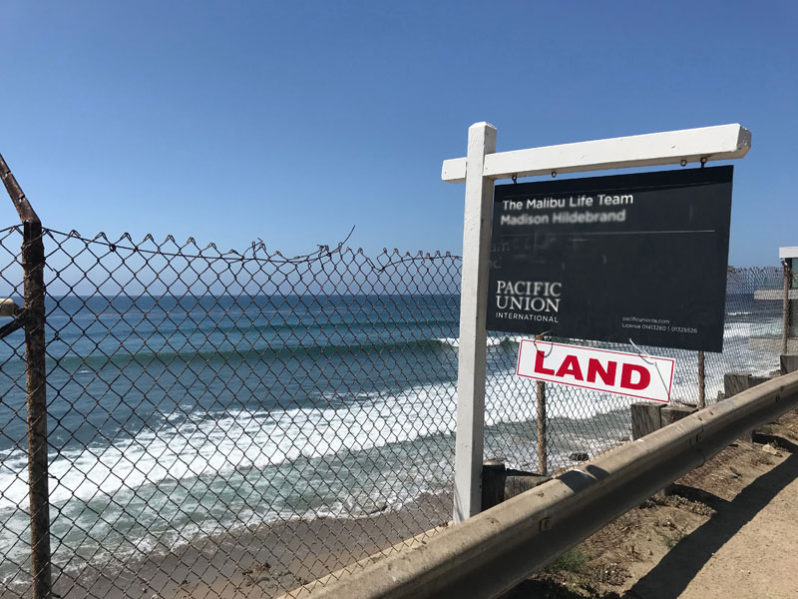
In a growing number of coastal communities, homes near the sea are appreciating more slowly than those inland. That’s bad news for people on the beach, good news for those farther away.
Climate change, rising sea levels a threat to farmers in Bangladesh

Rising sea levels driven by climate change make for salty soil, and that is likely to force about 200,000 coastal farmers in Bangladesh inland as glaciers melt into the world’s oceans, according to estimates from a new study from The Ohio State University.
Remote Hawaiian Island Wiped Off The Map
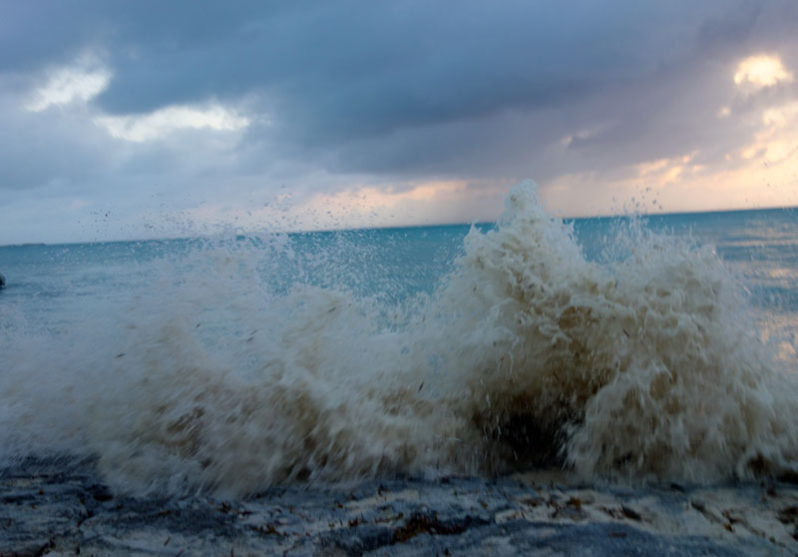
East Island was destroyed by storm surge from Hurricane Walaka, which roared through the northwestern Hawaiian Islands as a powerful Category 3 storm this month. “This event is confronting us with what the future could look like,” one federal scientist said about the loss of East Island.
“We are at war”: Expect almost 5 feet of sea level rise when planning for the future, leaders say
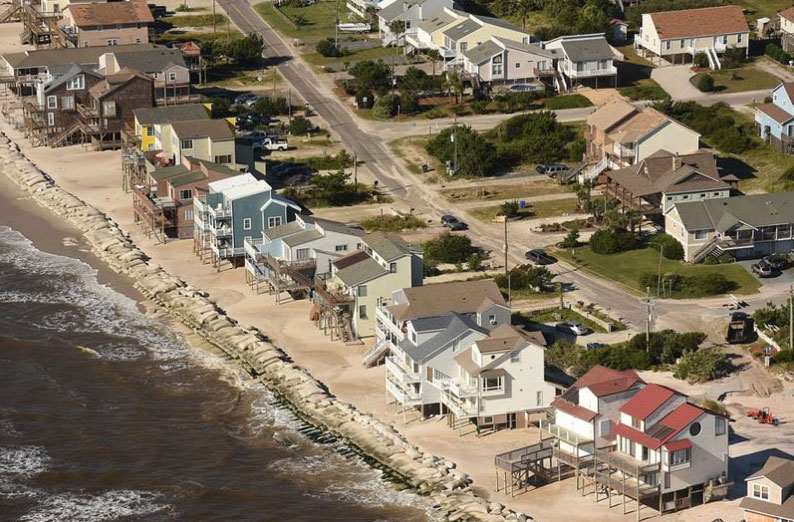
Building a road, a school, a bridge in Hampton Roads? Think about how long you want it to be around, and whether it might be underwater by then. That’s what regional planners recommend in light of sea levels projected to rise nearly 5 feet over the next century.
NC beach homes and coast are ‘doomed’ and residents need to get out, scientist says
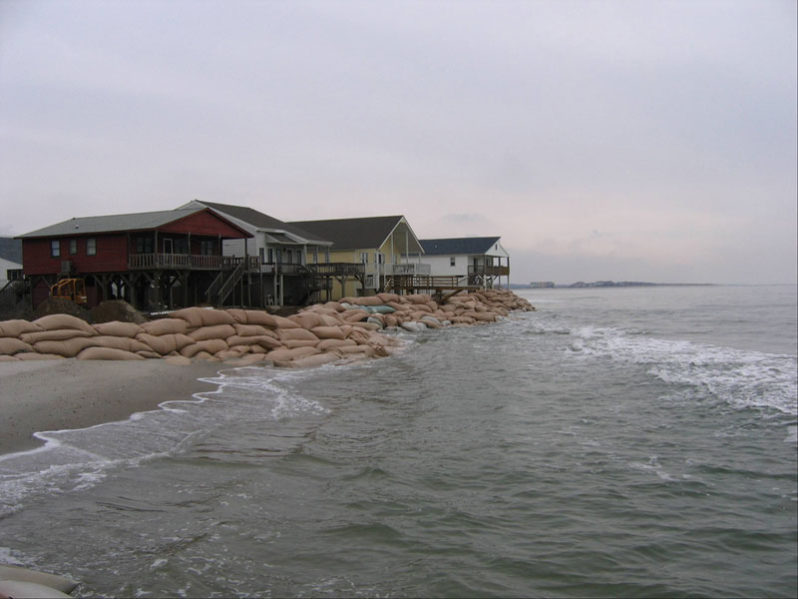
There’s a “disaster” approaching North Carolina’s coast, and it’s not a hurricane. It’s an increasingly encroaching sea, Orrin Pilkey says.
Scientists find missing piece in glacier melt predictions
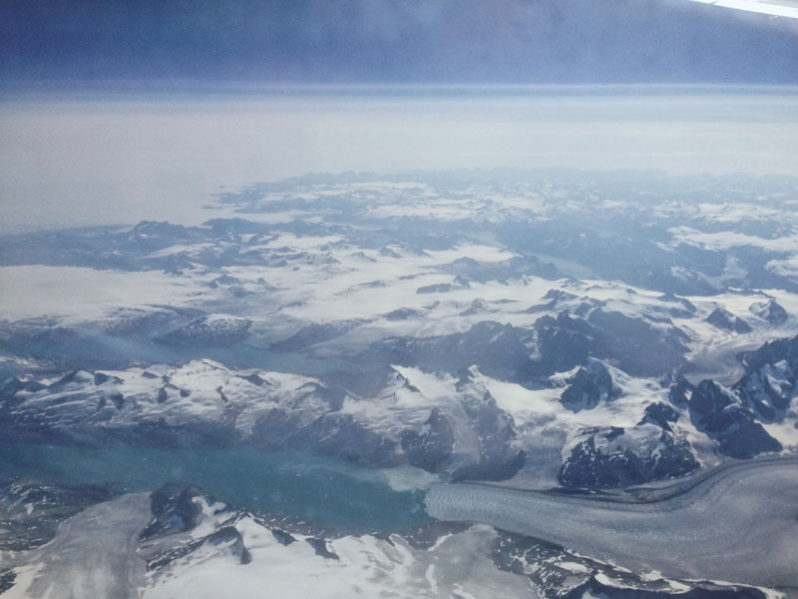
A new method for observing water within ice has revealed stored meltwater that may explain the complex flow behavior of some Greenland glaciers, an important component for predicting sea-level rise in a changing climate.