
Putting algae and seaweed on the menu could save our seafood
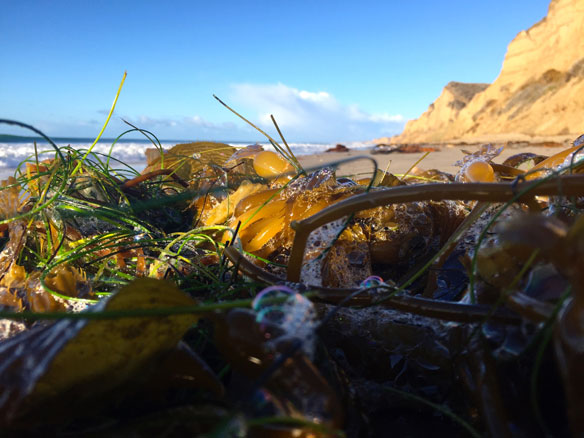
If we have to feed 9.8 billion people by 2050, food from the ocean will have to play a major role. As a recent EU report highlighted, we should instead be looking at how we can harvest more smaller fish and shellfish, but also species that aren’t as widely eaten such as seaweed and other algae.
‘King tides’ are rising, so groups span globe to monitor it
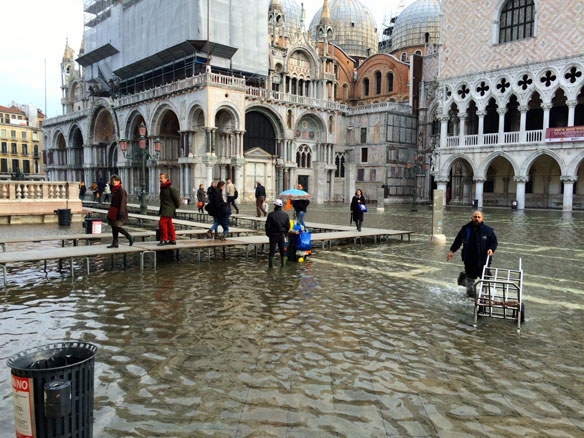
From coast to coast, hundreds of tide watchers come out with their cameras to record the latest ‘king tides,’ brief episodes of tidal flooding that could become the norm, with expected sea-level rise.
Can Data Save Dolphins? How Scientists Are Using NASA Data to Study Link Between Solar Storms and Animal Beachings
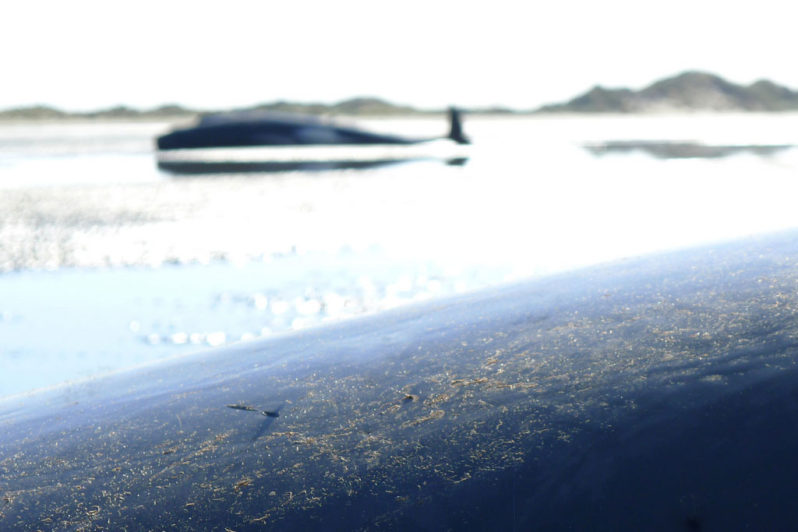
The age-old mystery of why otherwise healthy dolphins, whales and porpoises get stranded along coasts worldwide deepens: New research suggests space weather is not the primary cause of animal beachings — but the research continues. The collaboration is now seeking others to join their search for the factors that send ocean mammals off course, in the hopes of perhaps one day predicting strandings before they happen.
Drowning in garbage
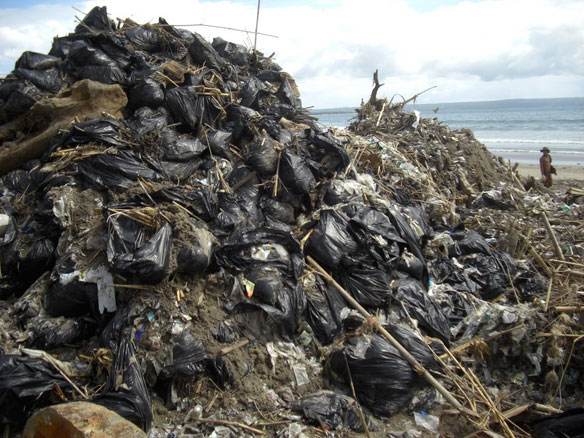
The world produces more than 3.5 million tons of garbage a day — and that figure is growing.
Soul-crushing’ video of starving polar bear exposes climate crisis, experts say
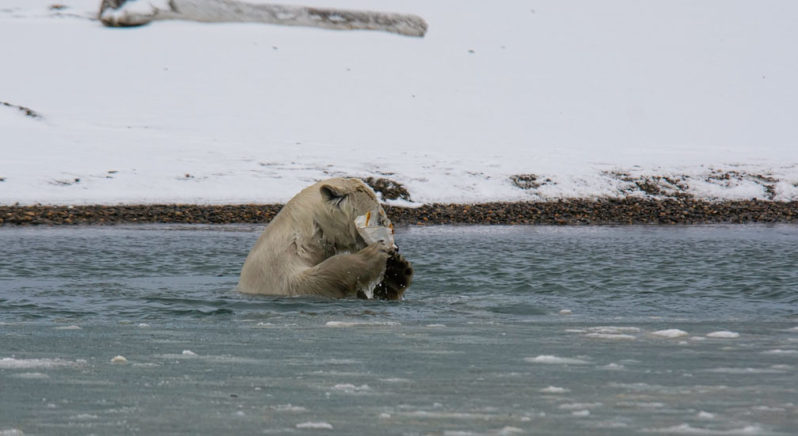
Video footage captured in Canada’s Arctic has offered a devastating look at the impact climate change is having on polar bears in the region…
Rising waters: can a massive barrier save Venice from drowning?
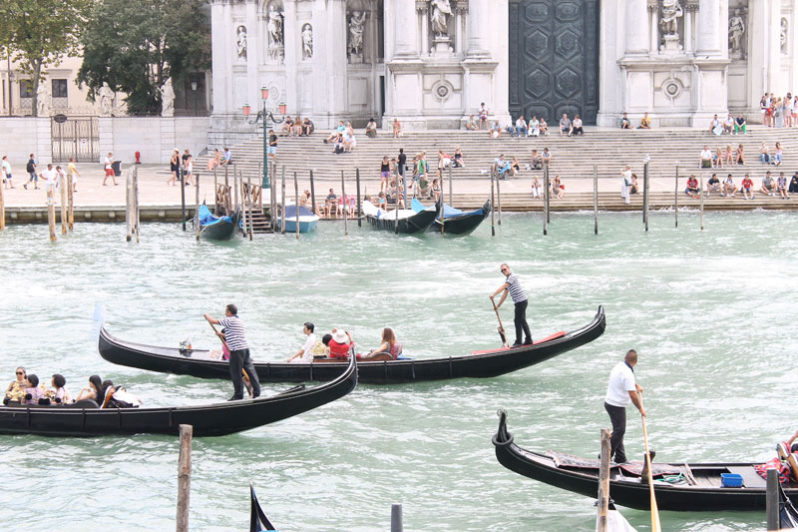
A retractable barrier designed to protect Venice from sea level rise and storm surges is set to be operational next year. But the project’s engineering limitations and cost overruns are raising questions about the mega-projects that many coastal cities are hoping can save them.
Did climate change worsen the Southern California fires?
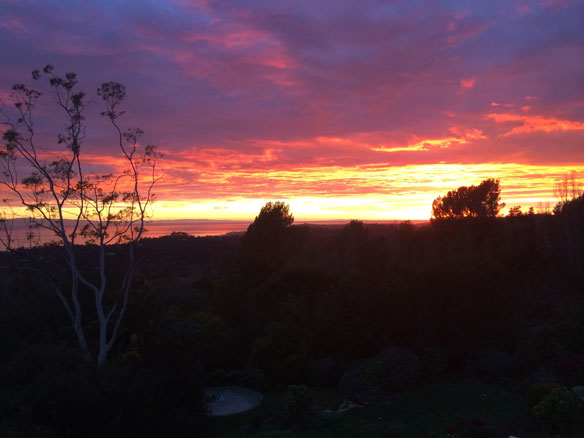
Seven of California’s 10 largest modern wildfires have occurred in the last 14 years. (The state began keeping reliable records in 1932.) Given the scale of the blazes, and their increasing regularity, it makes sense to ask: Does global warming have anything to do with this?
Quick sand, dirty Money; South Africa
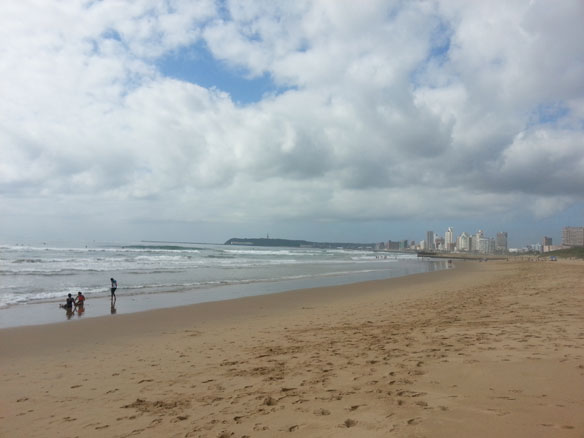
Mining has already cut coastal sand supply by as much as 70 percent in the municipality of Ethekwini, which includes Durban. Each year, miners dig up more than 400,000 cubic meters of sand from Durban’s rivers, enough to fill 160 Olympic swimming pools. This sand would normally be deposited on beaches and help offset coastal erosion. At current mining rates, Durban’s beaches are predicted to contract, on average, by more than a meter each year.
Future arctic sea ice loss could dry out California
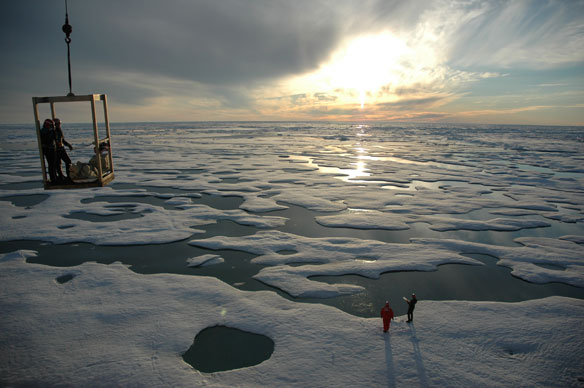
Arctic sea ice loss of the magnitude expected in the next few decades could impact California’s rainfall and exacerbate future droughts, according to new research led by Lawrence Livermore National Laboratory (LLNL) scientists.