
Earth Hour: Dare the World to Save the Planet
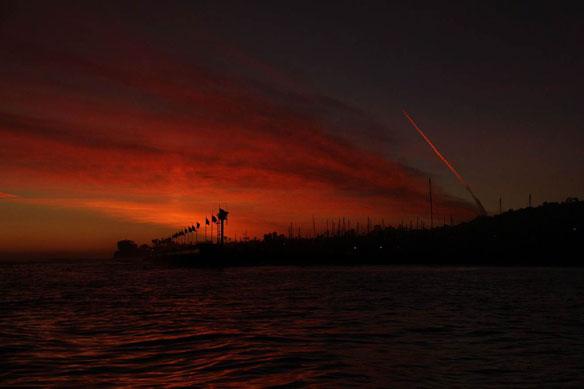
We only have one planet. You can help protect it. Participate in the world’s largest single campaign for the planet: Earth Hour. It starts by turning off your lights for an hour at 8:30 pm on March 31, 2012 in a collective display of commitment to a better future for the planet.
How to Read a Florida Gulf Coast Beach
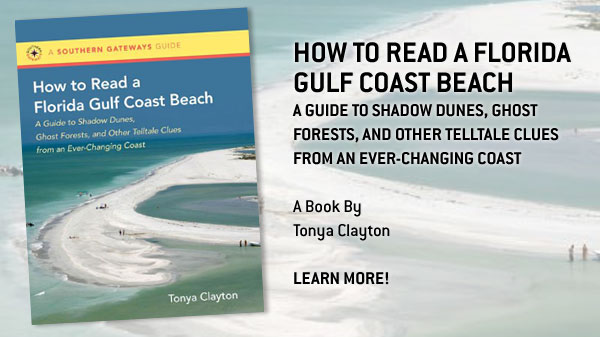
“Explore the geology of Florida’s Gulf Coast beaches, from a bird’s-eye view down to a crab’s-eye view, and you’ll learn how to recognize the stories and read the clues of these dynamic shores, reshaped daily by winds, waves, and sometimes bulldozers or dump trucks.” A book by Tonya Clayton, published by The University of North Carolina Press.
FDA Rejects NRDC Call to Eliminate BPA from Food Packaging
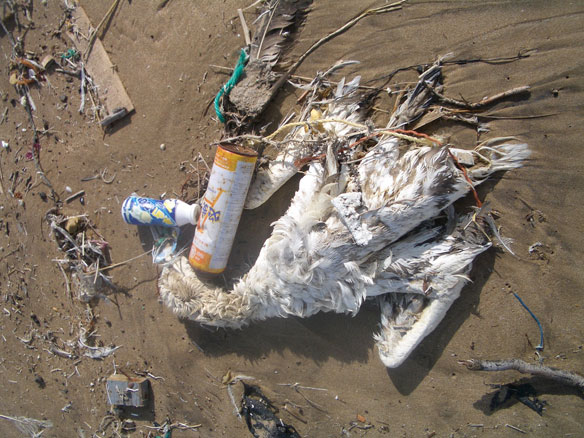
“The agency has failed to protect our health and safety, in the face of scientific studies that continue to raise disturbing questions about the long-term effects of BPA exposures. The FDA is out-of-step with scientific and medical research”- NRDC
Precipitation Impacts Glacial Melt
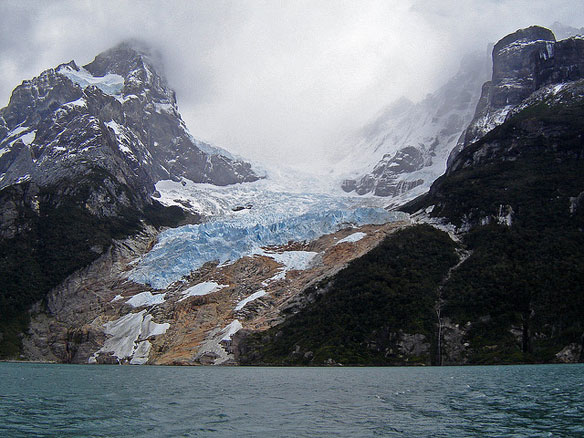
As glaciers fluctuate, retreating or adding mass, they dramatically affect the water cycle, locking up fresh water as they amass, causing the sea level to rise as they thaw and retreat.
Scientists Warn of Emergency on Global Scale

In a “State of the Planet” declaration issued after a four-day conference, leading scientists said Earth was now facing unprecedented challenges, from water stress, pollution and species loss to spiralling demands for food.
Dredging for sand set to begin in Topsail Beach
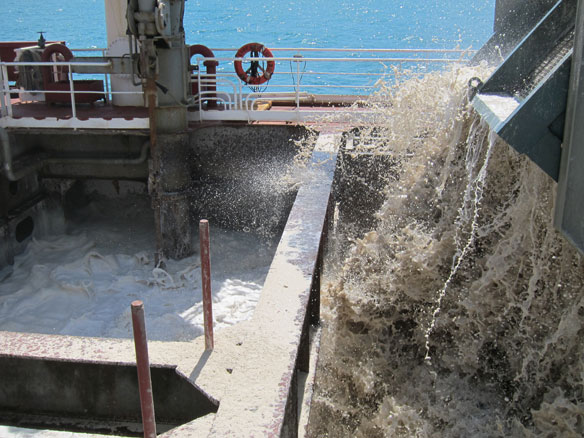
Sand that was lost during Hurricane Irene last year is being replaced this week. Officials in Topsail Beach expect that the pumping of sand onto the beach will started on Monday.
World’s Largest Sand Mass Discovered Under Seafloor
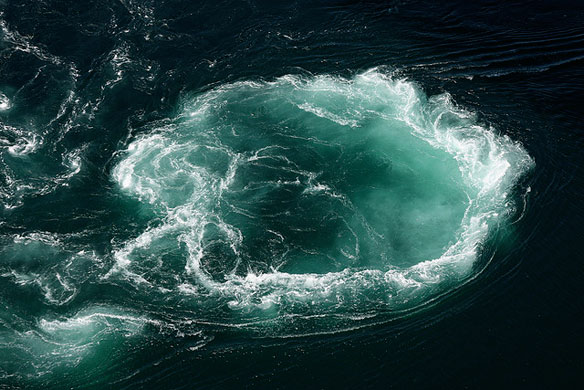
A giant mass of sand large enough to bury all of Manhattan under dunes more than 50 stories tall apparently erupted from the floor of the North Sea hundreds of thousands of years ago, the largest such body of sand ever found in the world, researchers say.
Japan Tsunami Holds Lessons for Pacific Northwest
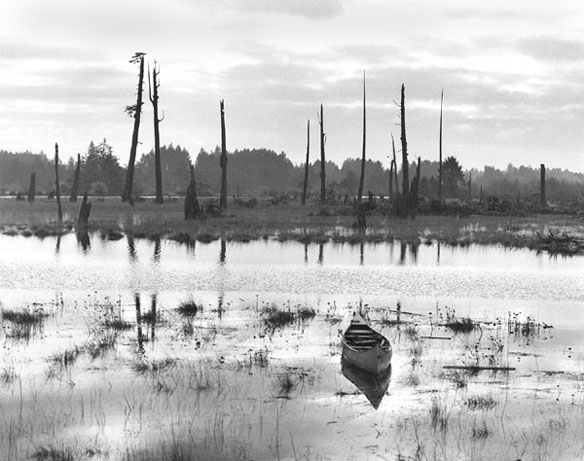
The threat posed to coastal areas in the Pacific Northwest by massive tsunami flooding gained renewed attention after the magnitude 9.0 earthquake and consecutive devastating tsunami that rapidly inundated coastal areas in Japan on March 11, 2011. Scientists say that a similar tsunami hit the Pacific Northwest coast in 1700, and it may happen again. 90 percent of the coastal region’s residents evacuated effectively in japan, but a same situation would likely play out differently in the Pacific Northwest.
Land Lost to Sand Dredging
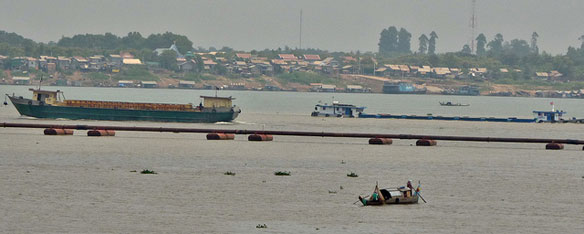
Cambodia has struggled with the environmental cost of sand mining from its rivers, and villagers who live along the banks of the Mekong River say that the land on which their houses are built is collapsing into the river because of the dredging.