
Hong Kong’s Iconic Pink Dolphins in Danger of Extinction
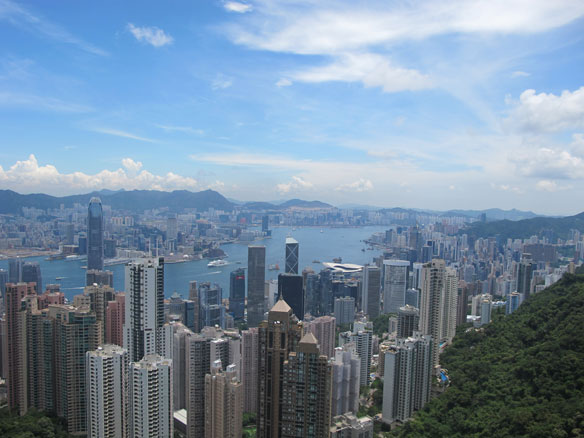
The dolphin population in Hong Kong is declining because of five main factors: habitat loss from coastal development, water pollution, underwater noise pollution, vessel collision and overfishing.
Chile Plans World’s Biggest Marine Park to Protect Easter Island Fish Stocks

Local people say way of life is under threat from industrial vessels, and see plan as chance to protect environment and repair relations with mainland.
Fukushima Dumps First Batch of Once-Radioactive Water in Sea
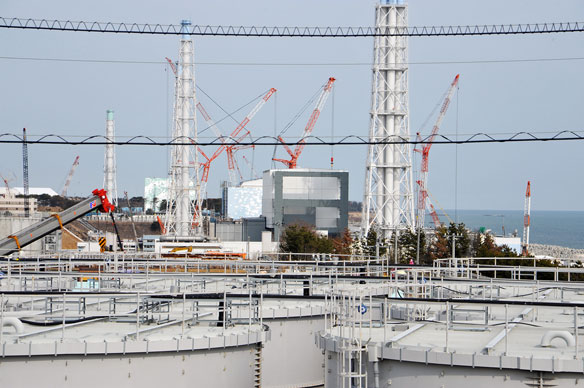
Japan’s crippled Fukushima nuclear plant Monday began releasing previously contaminated water into the sea.
Erosion Creates Six-Foot ‘Cliff’ Along Kailua Beach, Hawaii
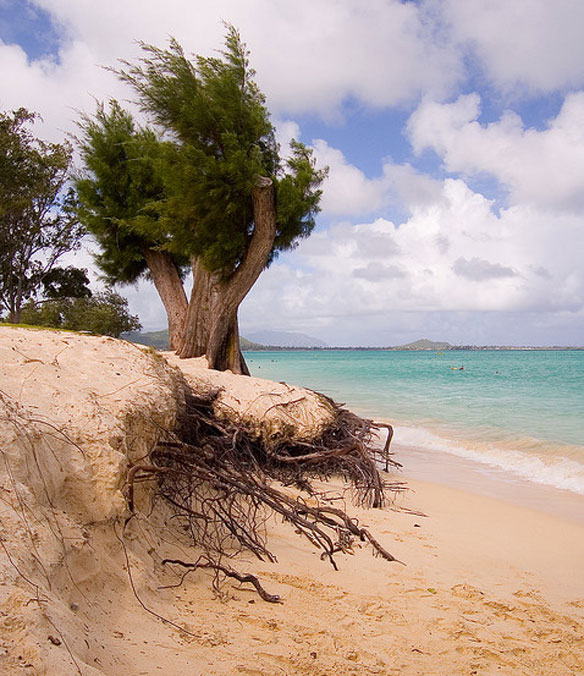
Big waves have battered the shoreline along one of Oahu’s most popular beaches. A sheer drop, about six feet down, is what visitors are encountering when trying to get down to some sections of Kailua Beach.
Scientists Expect Hawaii’s Worst Coral Bleaching Ever
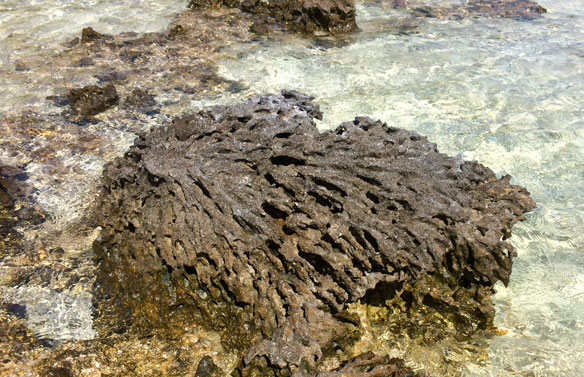
Warmer-than-normal ocean temperatures around Hawaii this year will likely lead to the worst coral bleaching the islands have ever seen.
Edible Water Bottle to Cause a Splash at EU Sustainability Awards
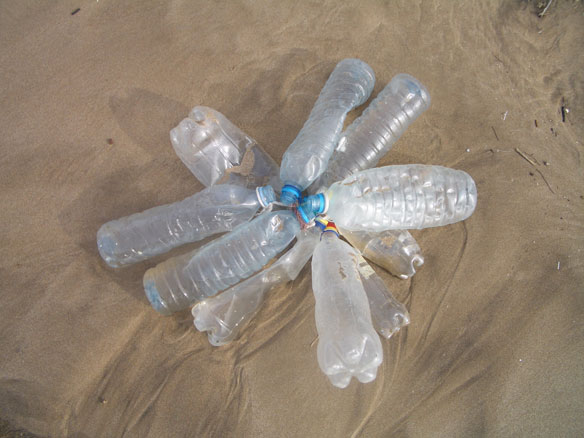
An edible alternative to plastic water bottles made from seaweed has topped the UK round of an EU competition for new, more sustainable products.
NASA’s Front Porch View of Rising Seas
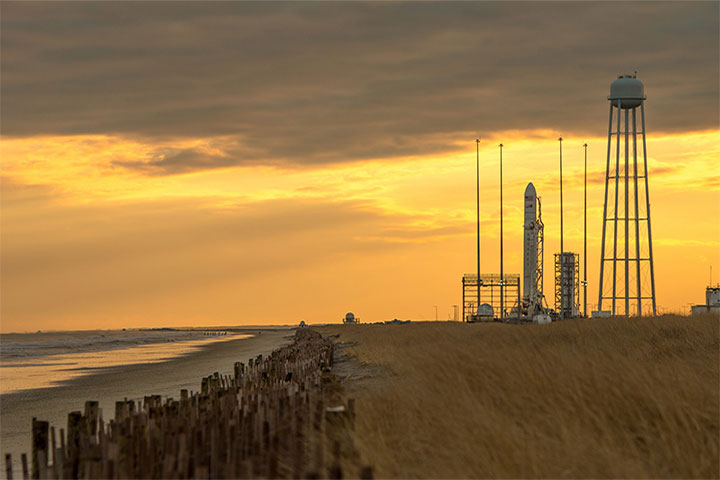
For the past two centuries, two trends have been steady and clear around the United States. Sea level has been rising, and more people have been moving closer to the coast.
Unrestrained Fossil Fuel Burning Could Drown World’s Major Cities
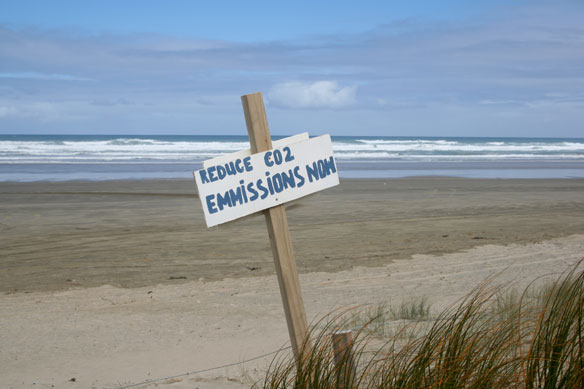
Burning all of Earth’s fossil fuels would trigger enough global warming to completely melt the Antarctic ice sheet. It would cause sea levels to rise by 200 feet (60 meters), drowning land around the world that is currently home to more than a billion people, the researchers said in the study.
Southern Ocean Removing Carbon Dioxide From Atmosphere
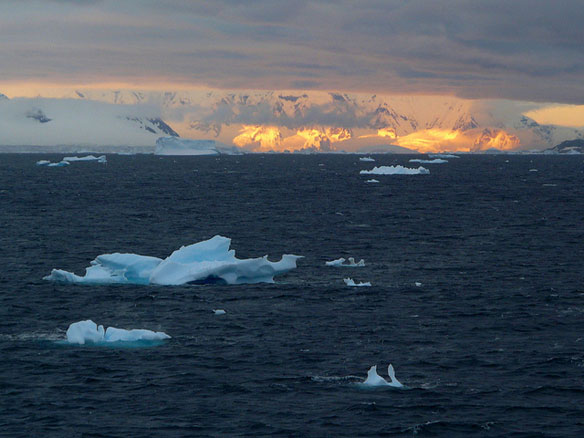
Since 2002, the Southern Ocean has been removing more of the greenhouse gas carbon dioxide from the atmosphere, according to two new studies. It is unclear how long the higher rate of absorption by the Southern Ocean, the strongest ocean region for soaking up carbon, would last.