
Paris climate deal: key points at a glance
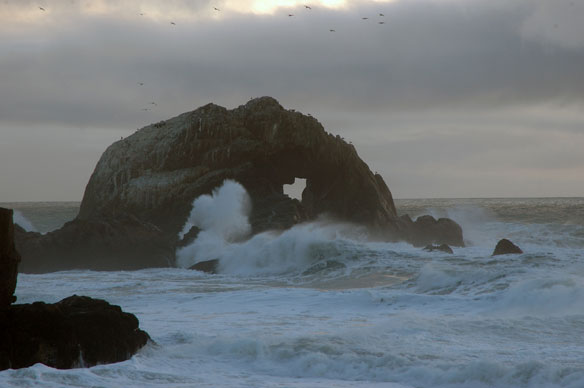
Governments have agreed to limit warming to 1.5C above pre-industrial levels: something that would have seemed unthinkable just a few months ago. The goal of 1.5C is a big leap below the 2C agreed six years ago in Copenhagen. Here’s what the agreement means for global emissions and the future of the planet.
Nearly 200 nations near historic deal to slow global warming
France crafted an unprecedented deal to slow global warming by cutting and then eliminating greenhouse gas pollution, urging climate negotiators from nearly 200 nations to adopt it Saturday.
UN climate-saving deal ‘sure’, but pitfalls ahead

The 195-nation conference in Paris had been scheduled to wrap up on Friday, but was extended another day after ministers failed to bridge deep divides during a second consecutive all-night round of negotiations.
Could a Titanic Seawall Save This Quickly Sinking City?
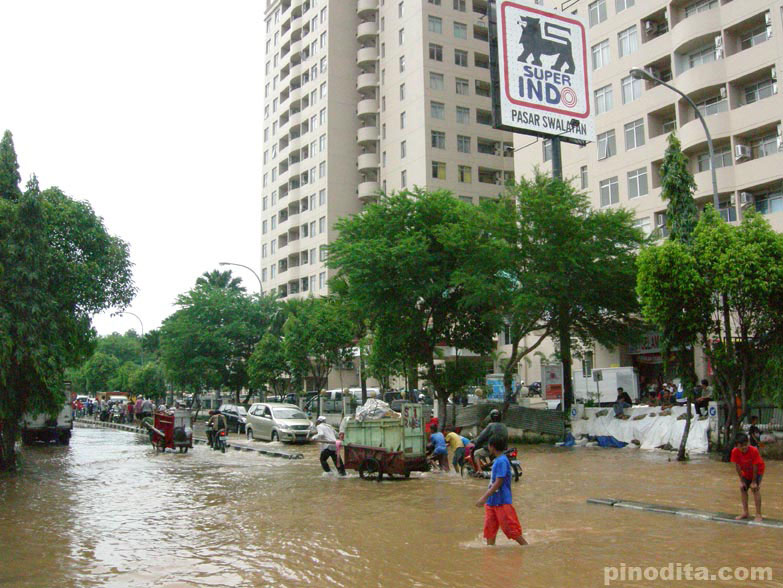
Jakarta, Indonesia’s fast-growing capital of 10 million people, is embarking on one of history’s biggest seawall projects—to be shaped like a Garuda, a mythical bird-like creature.
Paris COP21: An Unexpected Move Toward Global Target of 1.5 Degrees
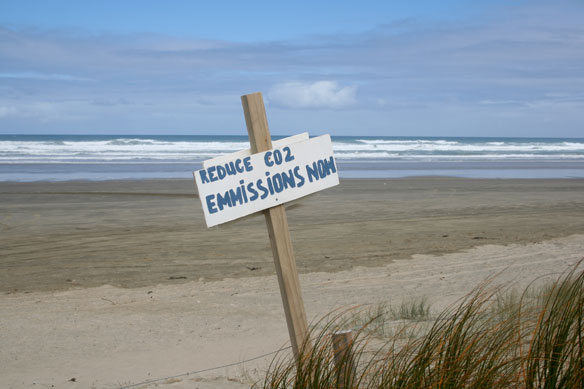
It is the big surprise of the Paris talks: the growing acceptance of a call from small nations most vulnerable to climate change for the conference to declare warming should be halted at 1.5 degrees Celsius.
New research sheds light on mercury pollution in estuaries, food chain
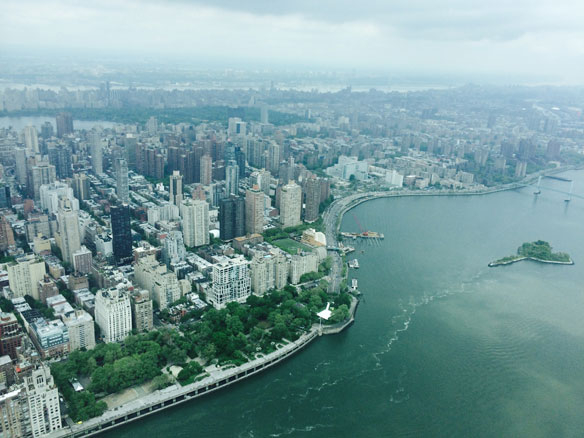
Mercury, which is transformed into methylmercury in water, is a global pollutant that damages human health. Most people are exposed to mercury by eating fish, particularly from open ocean and coastal fisheries. Estuaries act as a repository for methylmercury, storing toxic particulates in both the sediment and water column.
Saving Shore Communities a Risky, Expensive Proposition
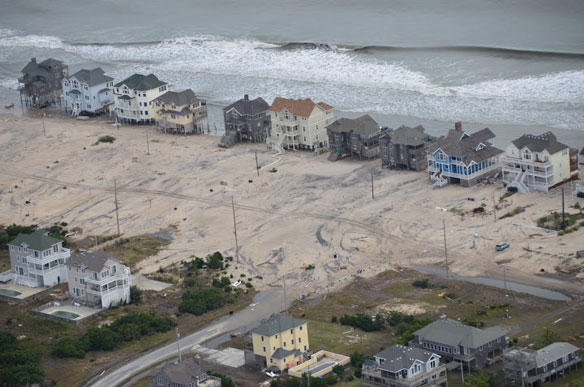
The sea is rising. The land is sinking. Entire mid-Atlantic communities are anchored in between, bookended by certain disaster unless a way is found to turn back the tide and save the shore. No one knows how to fix the fix we’re in, as climate change and sea-level rise continue to assault our shores.
Coral reefs could be more vulnerable to coastal development than predicted
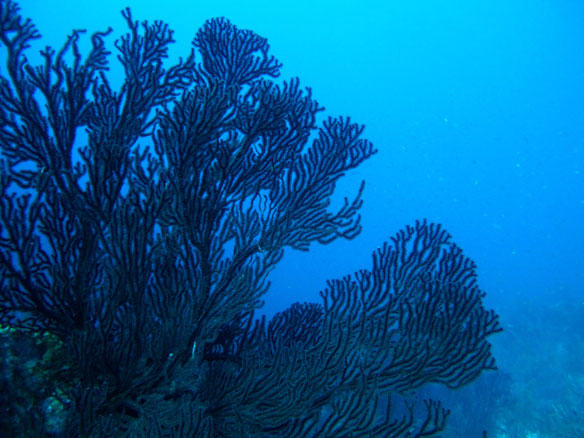
For years, many scientists thought we had a secret weapon to protect coral reefs from nutrients flushed into the seas by human activity. But a new study sheds doubt on that idea, underscoring the importance of sustainable growth in coastal areas.
White sand, black gold: when oil derricks loomed over California beaches
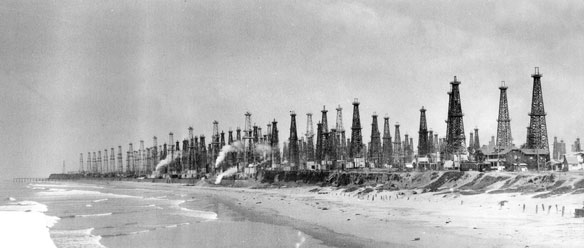
As California population boomed in the decades following the gold rush of 1849, there was a rapidly growing demand for petroleum. By 1920, California was producing 77 million barrels of oil a year, and vast stretches of the state were occupied by derricks, and refineries. In coastal places such as Venice, oil derricks ran right up to the shore, mingling with residential neighborhoods and pristine beaches.