
NOAA-led research identifies areas of global ocean most vulnerable to ocean acidification
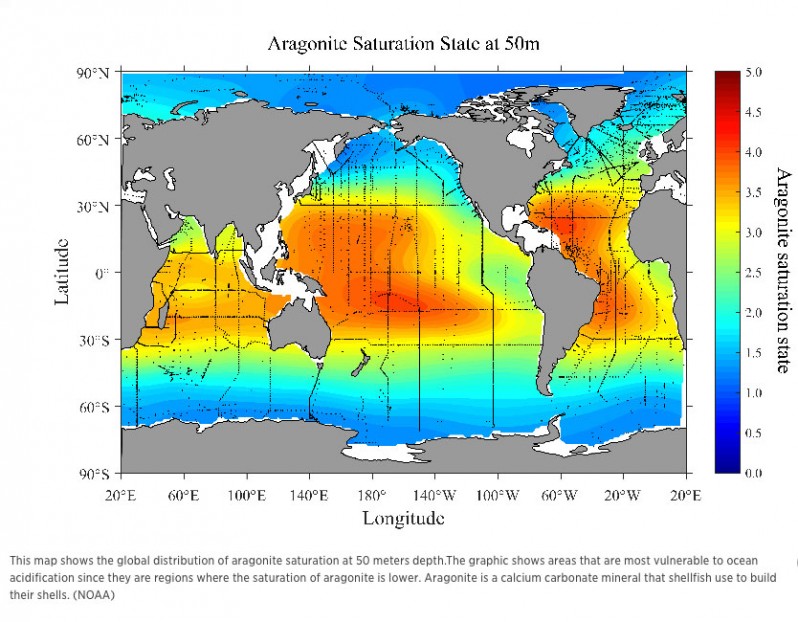
Ocean acidification is caused by humankind’s release of carbon dioxide emissions to the atmosphere. Excess carbon dioxide enters the ocean, reacts with water, decreases ocean pH and lowers carbonate ion concentrations, making waters more corrosive to marine species
Cemex mine reflects human hunger for sand, California
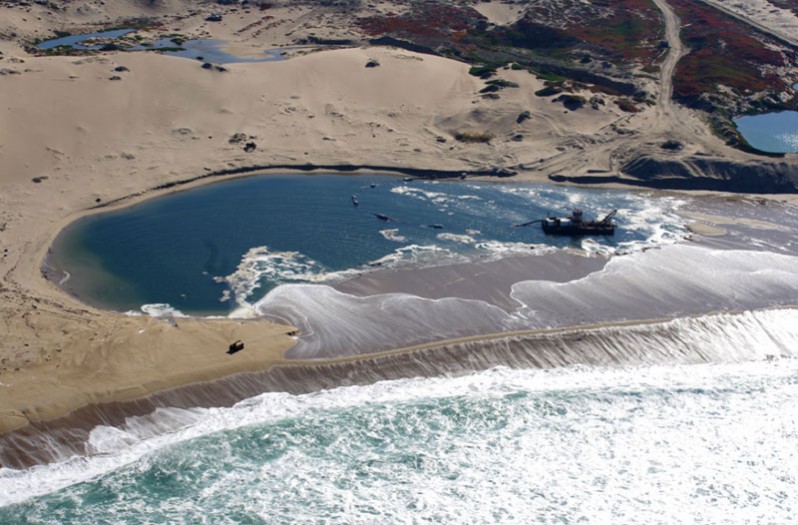
The disappearance of the beach reflects an alarming reality: Southern Monterey Bay, Marina in particular, has the highest coastal erosion rate in the state of California. For more than 20 years, scientists have speculated about the sand mine’s contribution to that erosion rate, and a 2008 study concluded it was the primary cause. The Cemex mine in Marina is the only remaining coastal sand mine in the entire United States. Which leads to new questions.
PCB chemical threat to Europe’s killer whales and dolphins
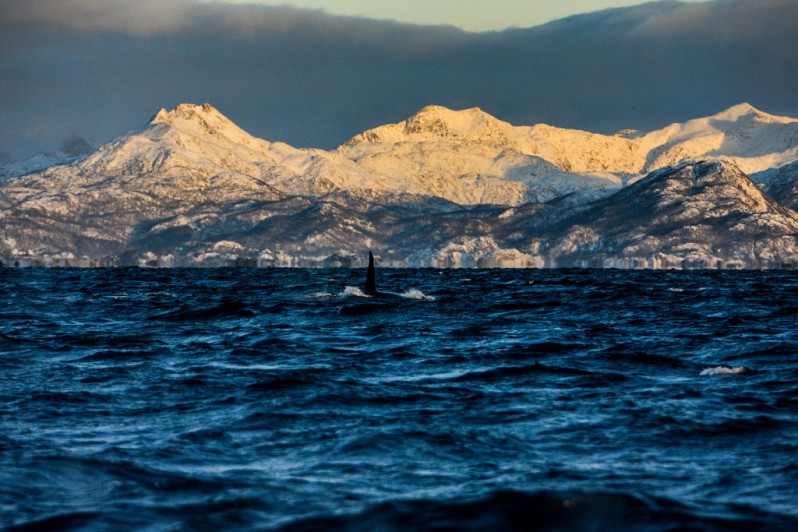
A pollutant is present at “dangerously high levels” in Europe’s killer whales and dolphins, scientists say.
Ocean current in Gulf of Mexico linked to red tide, study
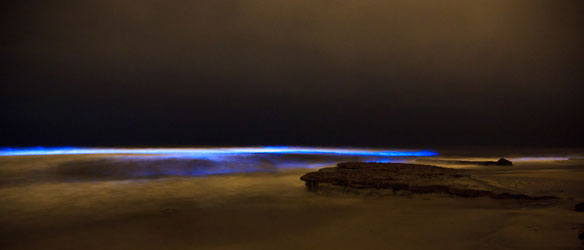
A major ocean current in the Gulf of Mexico plays an important role in sustaining Florida red tide blooms, a new study indicates. Researchers suggest that the position of the Loop Current can serve as an indicator of whether the algal bloom will be sustained, and provide warning of possible hazardous red tide conditions in coastal areas.
Unusual North Atlantic Hurricane Alex
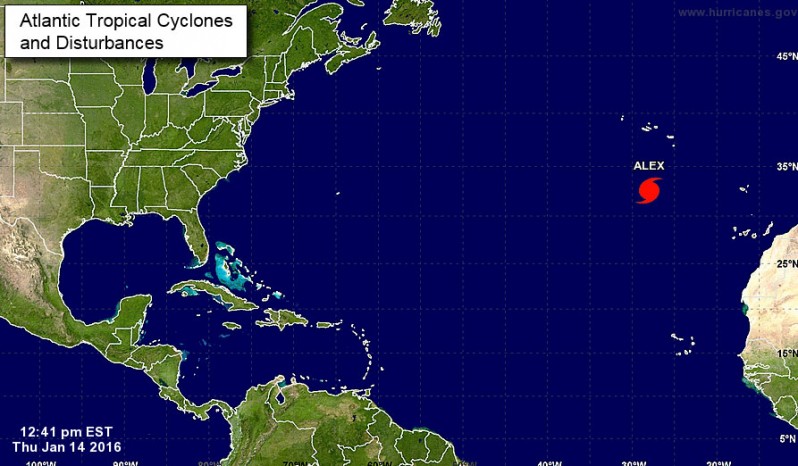
According to the National Hurricane Center, Alex is the first hurricane to form in the month of January since 1938. Alex is also the first North Atlantic hurricane thriving in January since Alice of 1955, which formed on Dec. 30, 1954. On the forecast track, the center of Alex will move near or over portions of the Azores Friday morning, Jan. 15.
The Great Barrier Reef Like You’ve Never Seen It Before
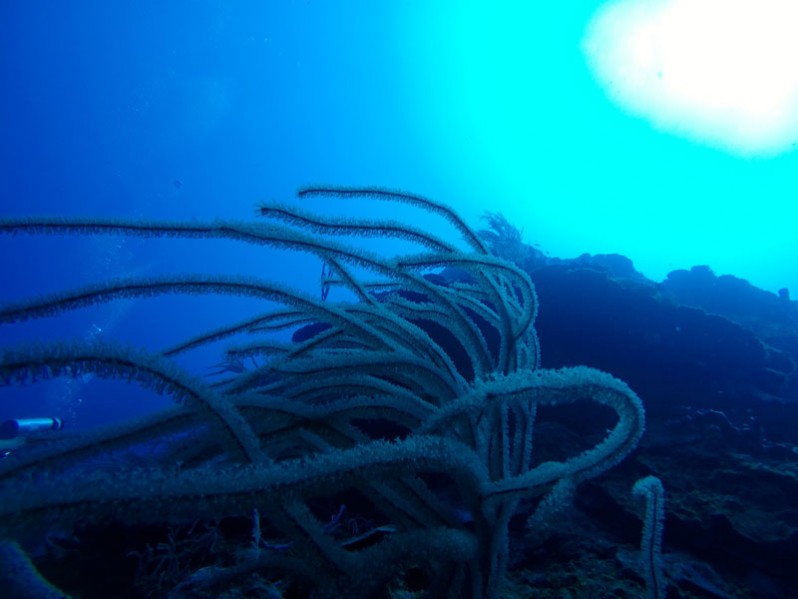
Sir David Attenborough uses new technologies to create an interactive journey, highlighting the perils of climate change.
Over 80 Whales Wash Ashore on Indian Coast
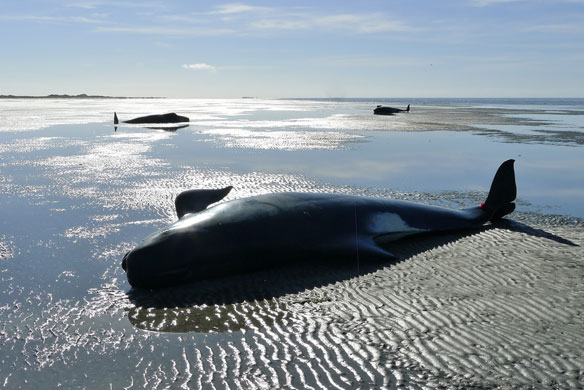
More than 80 whales have washed up on a beach in the southern Indian state of Tamil Nadu.
Cyclone Ula tracks away from Vanuatu and towards NZ
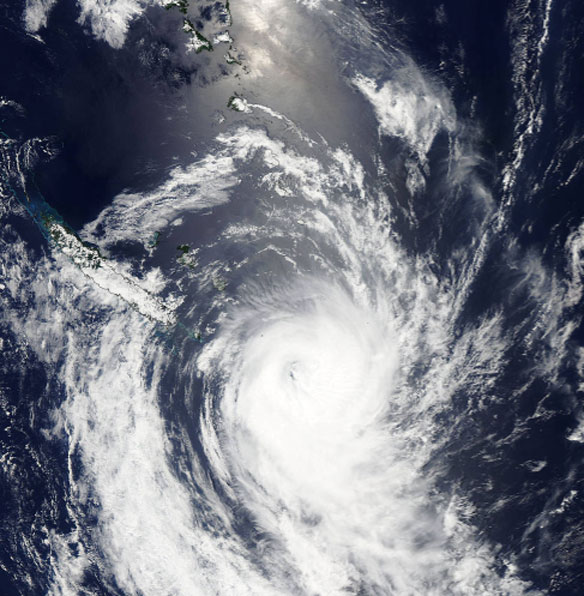
Ula is now a Category three cyclone as it moves in a south easterly direction, away from the Vanuatu group.
Giant icebergs are slowing climate change, research reveals
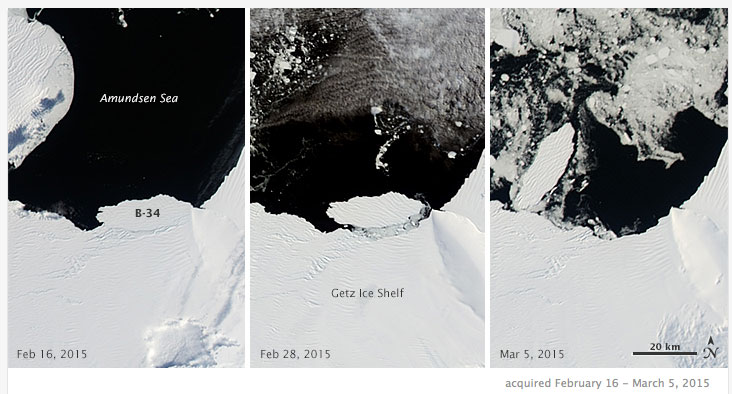
Giant melting icebergs may be a symbol of climate change but new research has revealed that the plumes of nutrient-rich waters they leave in their wake lead to millions of tonnes of carbon being trapped each year.