
Ending the Oceans’ ‘Tragedy of the Commons’
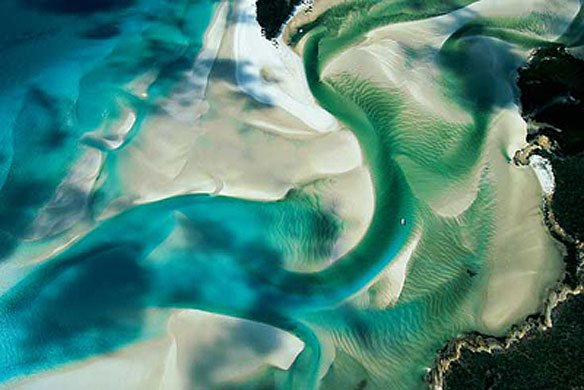
Leading international marine scientists are proposing radical changes in the governance of the world’s oceans to rescue them from overfishing, pollution and other human impacts.
Expanding Hypoxic Areas in Coastal Waters

Unnatural levels of hypoxia, which occur mostly in the summer, are primarily the result of human activities that deliver nutrients such as nitrogen and phosphorous into waterways.
Annual International Coastal Cleanup Day, 2010
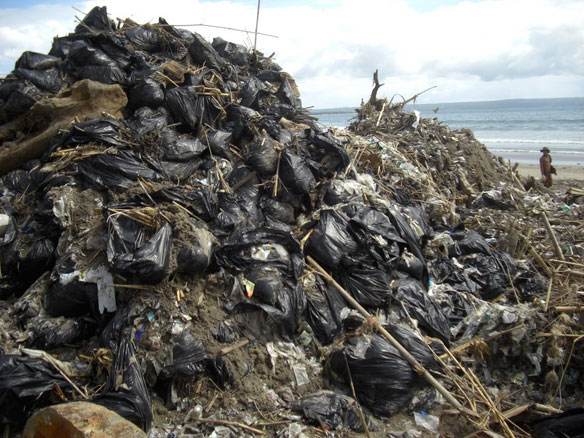
Sign up for the 25th Annual International Coastal Cleanup Day: September 25th, 2010. Be part of the solution to marine and coastal pollution!
New York City and Risk of Higher Seas
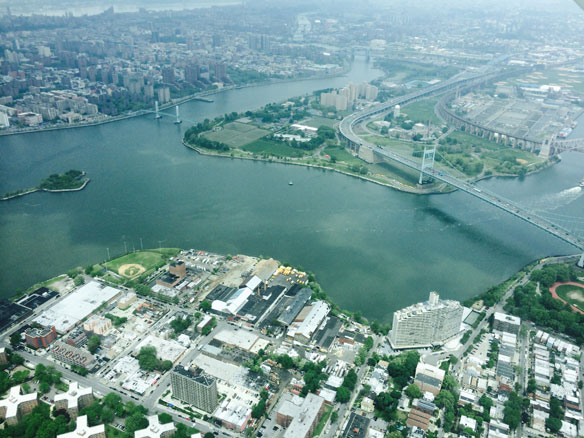
Sea level may rise faster near New York than at most other densely populated ports, thus it has become an urban experiment in the ways that seaboard cities can adapt to climate change over the next century.
Coral Reef and Planet’s Changing Sea Levels
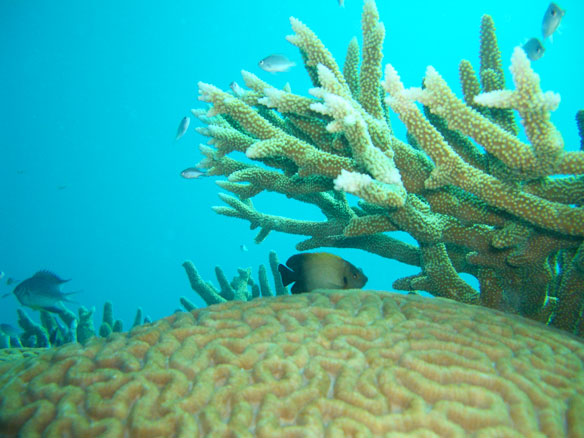
By studying ancient coral, scientists are hoping to put together the most accurate picture yet of how sea levels have changed over thousands of years.
Remaining Oil Below Surface, Will Come Ashore in Pulses
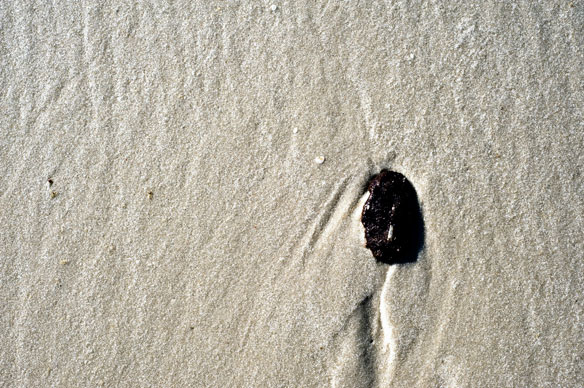
This is a long term problem. It’s not simply going to go away.
Millions of Migrating Birds Heading to Oil

Nearly 5 million Migratory birds from Canada are now winging their way south across North America, and many of them could be in for a nasty shock when they reach the oily marshes and beaches along the Gulf Coast.
Tar balls coat Indian beaches
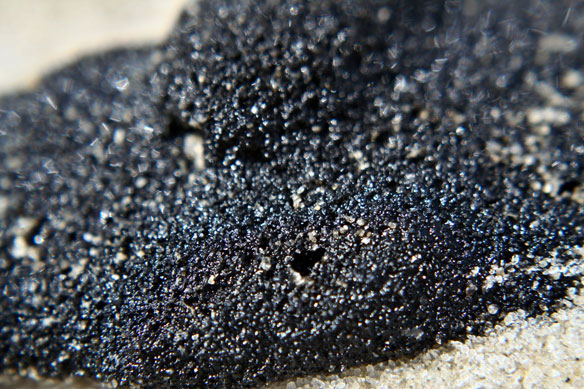
Semisolid lumps of oil formed layers up to six inches deep (15 centimeters) on the renowned Goa beaches.
NIH to launch Gulf oil spill health study
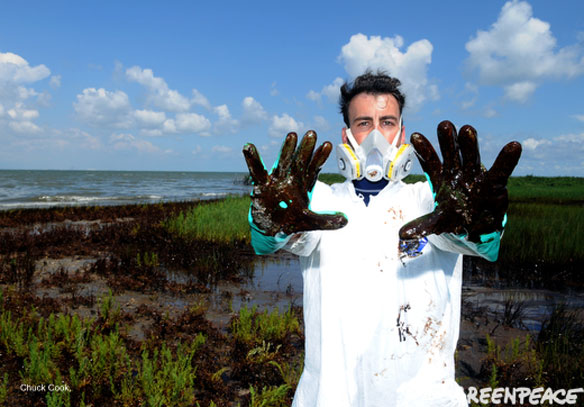
The National Institutes of Health will launch a multi-year study this fall to look at the potential health effects from the oil spill in the Gulf region.