
Skip to content
  • Home | News
  • Coastal Issues
    • Sand Mining
    • Pollution
      • Plastic
      • Hydrocarbon, Waste Water and Run-off
      • Trash
    • Shoreline Erosion | Coastal Armoring + Engineering
    • Dams, Sand Supply, and Habitat Recovery
    • Beach Nourishment + Maintenance
    • Problematic Coastal Development
    • Habitats | Ecosystem Disturbance
    • Climate Change | Sea Level Rise | Ocean Acidification
    • Coastal Management | Adaptation | Policy
    • Coastal Storms | Extreme Weather
  • Beach Basics
    • Reading a Beach
    • Waves
    • Exploring Beach Sand
    • Tides
    • Cyclones | Typhoons | Hurricanes
    • Sand Dunes
    • Coral Reefs
    • Seashells
  • Coastal Care JR
  • Art + Science
  • Resources
    • Book Reviews
    • Beach Science Bibliography
    • Useful Links
  • Ask an Expert
  • About
  • Contact
  • Home | News
  • Coastal Issues
    • Sand Mining
    • Pollution
      • Plastic
      • Hydrocarbon, Waste Water and Run-off
      • Trash
    • Shoreline Erosion | Coastal Armoring + Engineering
    • Dams, Sand Supply, and Habitat Recovery
    • Beach Nourishment + Maintenance
    • Problematic Coastal Development
    • Habitats | Ecosystem Disturbance
    • Climate Change | Sea Level Rise | Ocean Acidification
    • Coastal Management | Adaptation | Policy
    • Coastal Storms | Extreme Weather
  • Beach Basics
    • Reading a Beach
    • Waves
    • Exploring Beach Sand
    • Tides
    • Cyclones | Typhoons | Hurricanes
    • Sand Dunes
    • Coral Reefs
    • Seashells
  • Coastal Care JR
  • Art + Science
  • Resources
    • Book Reviews
    • Beach Science Bibliography
    • Useful Links
  • Ask an Expert
  • About
  • Contact

Day: January 8, 2011

Drawing up a Global “Red List” of Vanishing Ecosystems
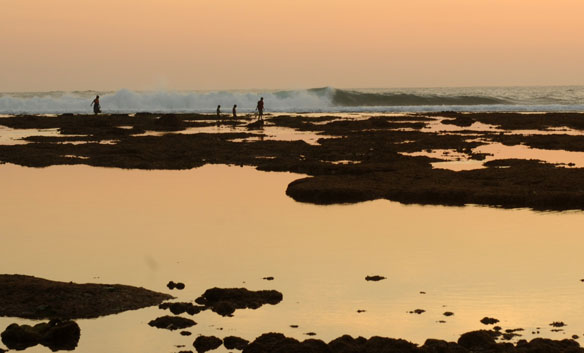
Now scientists are figuring out how to catalog and map the world’s most threatened ecosystems, such as mangrove, just like their familiar list of endangered species.

Methane Gas Concentrations in Gulf of Mexico Quickly Surprises Scientists
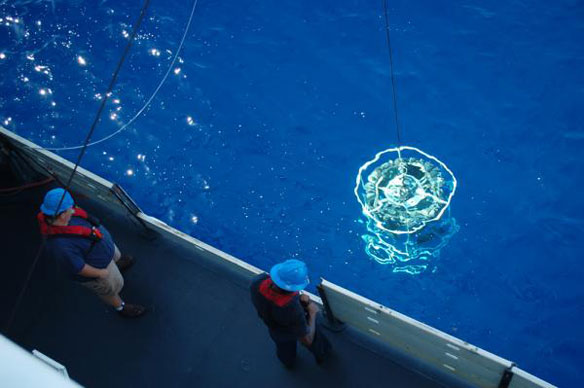
Calling the results “extremely surprising,” researchers from UCSB and Texas A&M University report that methane gas concentrations in the Gulf of Mexico have returned to near normal levelsonly months after a massive release occurred following the Deepwater Horizon oil rig explosion.

  • Home | News
  • FAQ
  • Privacy Policy
  • Legal Notice
  • Archived Menu
  • Contact
  • Home | News
  • FAQ
  • Privacy Policy
  • Legal Notice
  • Archived Menu
  • Contact
Instagram Facebook Twitter

© 2010 – 2024 CoastalCare.org