
First Study of Dispersants in Gulf Spill Suggests a Prolonged Deepwater Fate
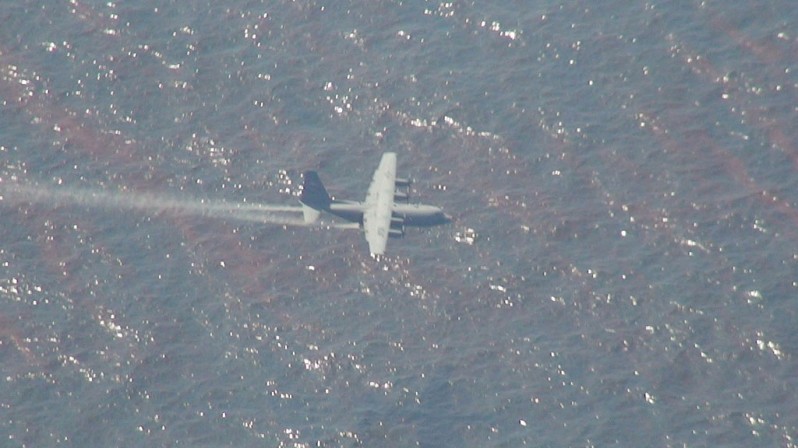
To combat last year’s Deepwater Horizon oil spill, nearly 800,000 gallons of chemical dispersant were injected directly into the oil and gas flow coming out of the wellhead. Scientists begin to assess and to raise questions about what impact the deep-water residue of oil and dispersant, might have had on environment and marine life in the Gulf.
The Birth of An Island, BBC Video
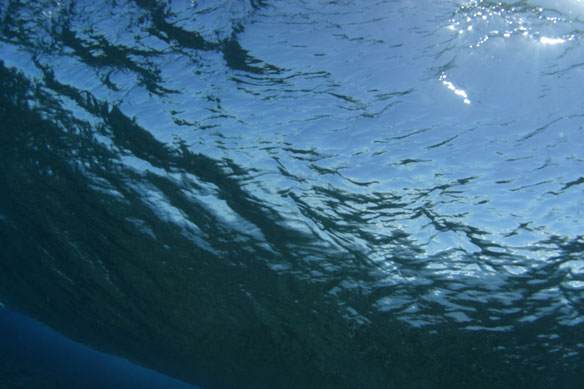
The dramatic birth of a new volcanic island in the Pacific has been witnessed by an international team of scientists. The rare event was captured on film by researchers during an expedition to the Solomon Islands.
Mercury in Bay Area: a Legacy of California Mining
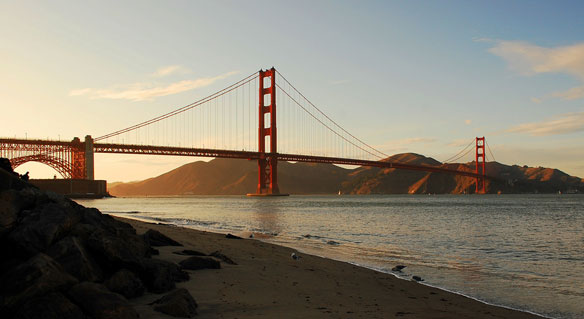
Mercury contamination, a worldwide environmental problem, has been called “public enemy No. 1” in California’s San Francisco Bay.
Amnesty slams Shell over oil spills in Nigeria
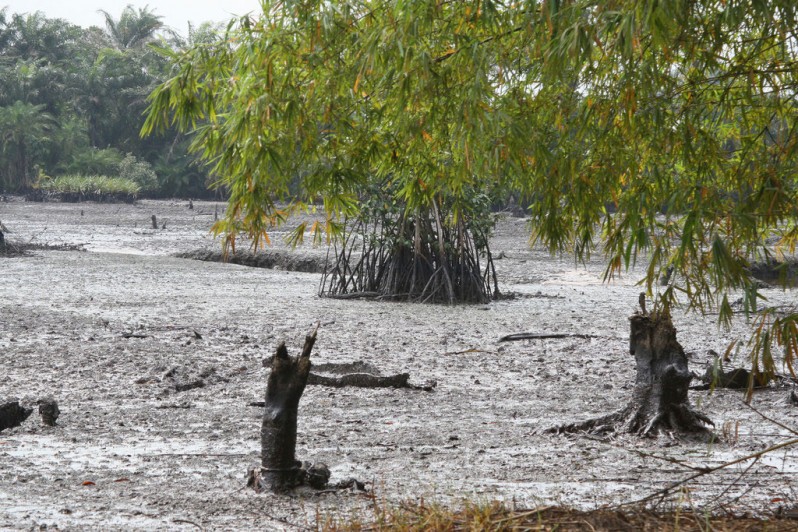
Amnesty International and Friends of the Earth have filed an official complaint against the firm Shell for shirking responsibility for oil spills in Nigeria and wreaking havoc on the environment. Environmentalists call the Niger Delta the global capital of oil pollution, but unlike the Gulf of Mexico, there are no underwater robots, flotillas of scientists or oil booms here.
Tulum’s Dirty Beaches
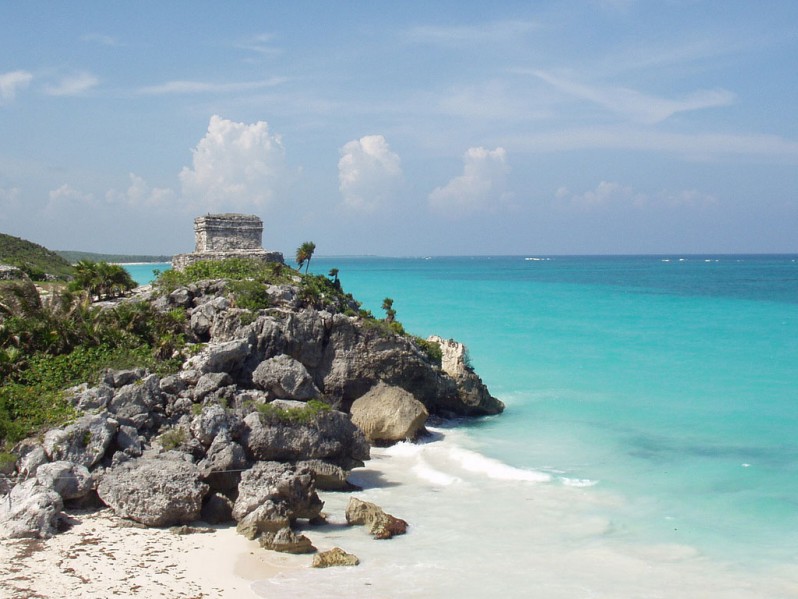
Lucy Gallagher of Mexiconservacion explains why some of Tulum’s beaches, Mexico, are so dirty.
Oyster bed restoration among first since oil spill
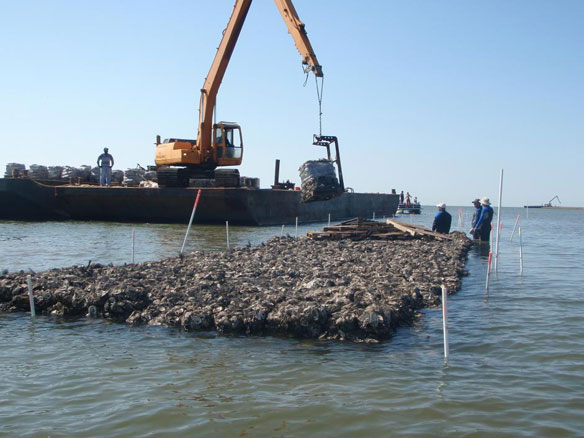
It’s one of the first coastal restoration projects since the oil spill sent thick crude washing into estuaries and onto beaches.
Climate change Litigation, A New Frontier ?
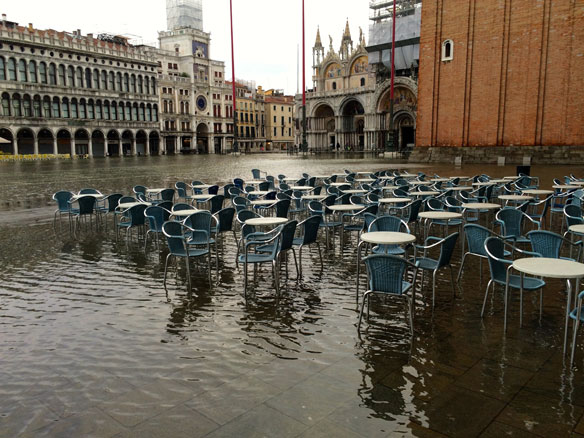
Today’s lawsuits may spur thinking about future liability risks among major emitters, creating awareness and thus also may have an impact on the actions of governments and corporations.
The Human Face of Climate Change, by Michael P. Nash

The film, an 89-minute documentary on the repercussions of climate change on human migration, delves into the unique challenges presented when people are forced onto foreign shores.
Coastal Erosion In The Seychelles
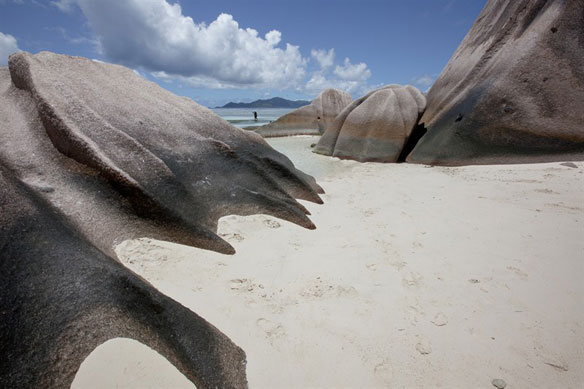
Climate change and sea level rise are shaping the Seychelles Islands in spectacular ways. Rocks along the coast have been worn away, leaving dramatic formations and sand patterns, and more importantly, leaving the coastline unprotected from storm surges and flash flood.