
Fukushima nuclear disaster: truth beginning to emerge
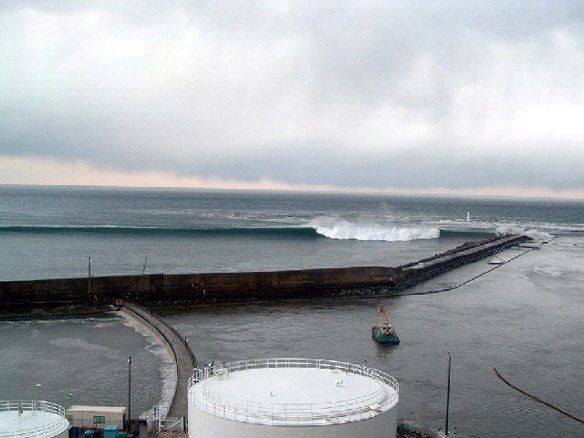
One of the most serious civil nuclear accident took place on March 11, 2011 when Japan Fukushima Daiichi nuclear power plant was hit by a earthquake and tsunami. Criticism of the handling of the aftermath of the disaster abound, as the world is now watching new Japan’s PM strategies to deal with the current crisis, and the truth is finally beginning to emerge.
Malaysia’s Borneo Tribes Lose Test Case Over Mega-Dam
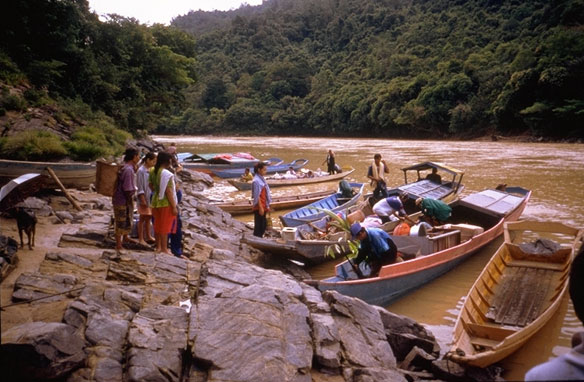
A 12-year legal battle by indigenous tribes in Malaysia against their ancestral land being seized to build a mega-dam on Borneo island ended in defeat Thursday in the nation’s top court.
Nags Heads Shoreline Losses A Lot Of Sand, And Money
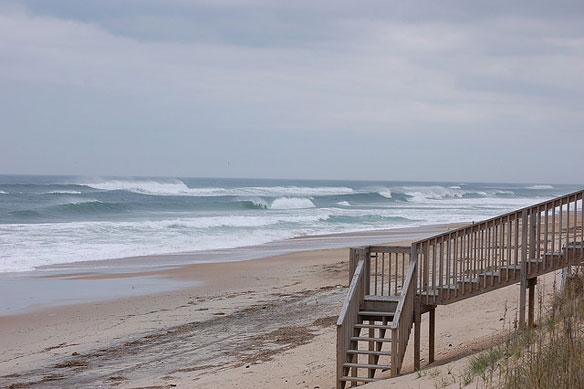
Just weeks before the expected completion of a $36 million beach nourishment project, Hurricane Irene may have chewed away as much as 25 percent of the new sand pumped onto the Nags Head shoreline.
Kiribati ponders floating island to fight sea rise
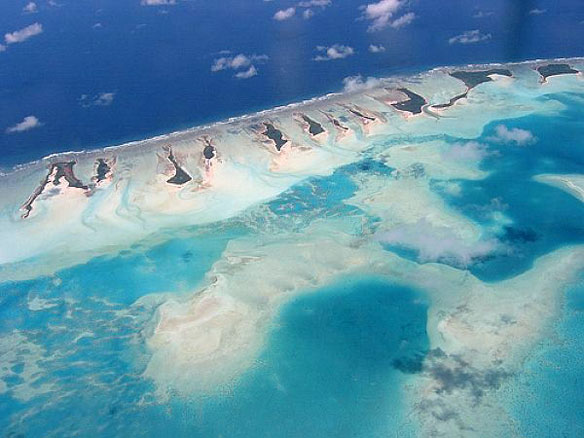
The Pacific Islands Forum opened with a passionate plea from Kiribati for help staving off rising seas caused by climate change, as he is considering ideas such as building a floating island…
Study Sharpens Picture of How Much Oil and Gas Flowed in Deepwater Horizon Spill
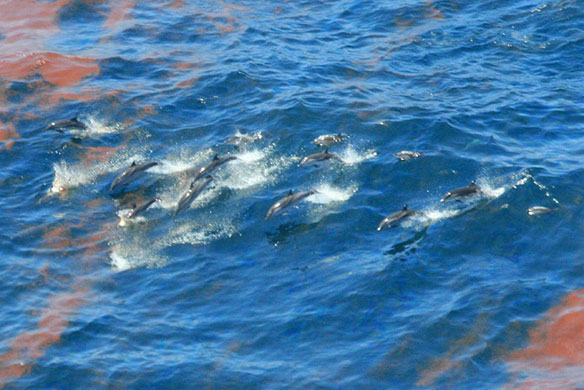
Over the past decade ultra deepwater oil platforms have gone from non-existent to representing about 1/3 of the Gulf of Mexico’s oil production and plans call for a growing number of such facilities.
Fears in Miami That Port Expansion Will Destroy Reefs

As Miami prepares to dredge its port to accommodate supersize freighters, environmentalists are making a last-ditch effort to protect threatened coral reefs and acres of sea grass that they say would be destroyed by the expansion.
Why Japan’s Typhoon Talas Was So Deadly?
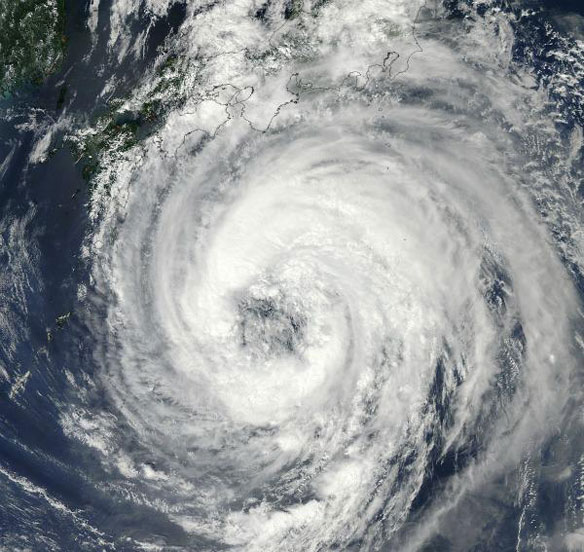
Typhoon Talas, a storm that swept across Japan over the weekend, has taken a terrible toll; the storm and its lingering effects have been the deadliest in seven years for the country. Much of the death and destruction is concentrated in three provinces in the island nation’s southwest.
Baltic Sea Countries Do Not Live Up To Commitments: WWF
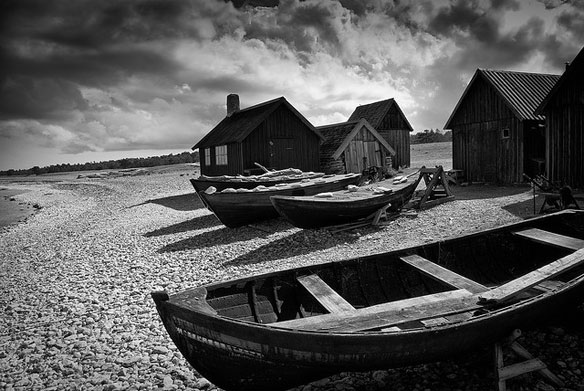
The nine countries with a Baltic Sea coast are not doing enough to protect the very polluted body of water, the World Wide Fund for Nature (WWF) said in the Baltic Sea Scorecard 2011, a report that assesses how good the countries around the Baltic Sea are at implementing environmental measures and agreements.
Haitian Divers Hope to Aid Ailing Reef

Environmental degradation is rife in Haiti, deforestation, erosion, pollution, and for the most part it is hard to miss. But for decades the country’s marine environment has suffered unseen. Its extensive coral reef system, an attraction to foreign scuba divers in the 1970s and ’80s, has largely died off, partly from sedimentation and climate change, but mostly from overfishing.