
Global Sea Level Likely to Rise as Much as 70 Feet in Future Generations
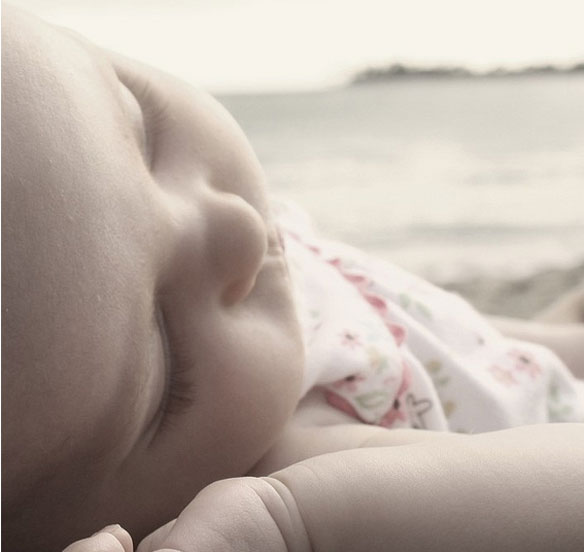
Even if humankind manages to limit global warming to 2 degrees Celsius (3.6 degrees Fahrenheit)–as the Intergovernmental Panel on Climate Change recommends–future generations will likely have to deal with a completely different world.
Venice hasn’t stopped sinking after all
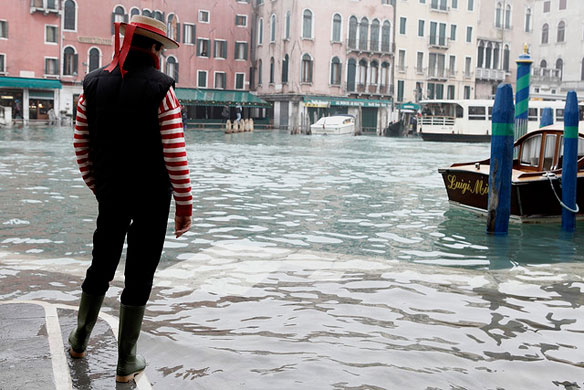
Sea-level rise isn’t the only thing that has Venice’s famous canals rising ever-so-slightly every year: The city is also sinking, a new study shows, in contrast to previous studies that suggested the city’s subsidence had stabilized.
Climate Change Damage to Oceans to Cost $2 Trillion
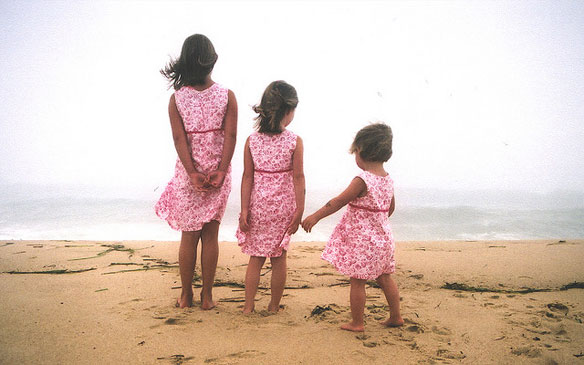
Greenhouse gases are likely to result in annual costs of nearly $2 trillion in damage to the oceans by 2100, according to a new Swedish study, by the Stockholm Environment Institute.
Oil from Deepwater Horizon Disaster Entered Food Chain in the Gulf of Mexico
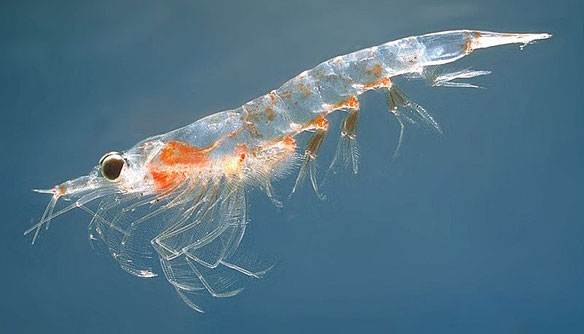
A new study confirms that oil from the Macondo well made it into the ocean’s food chain through the tiniest of organisms, zooplankton.
Avoiding the Tragedy of the Commons
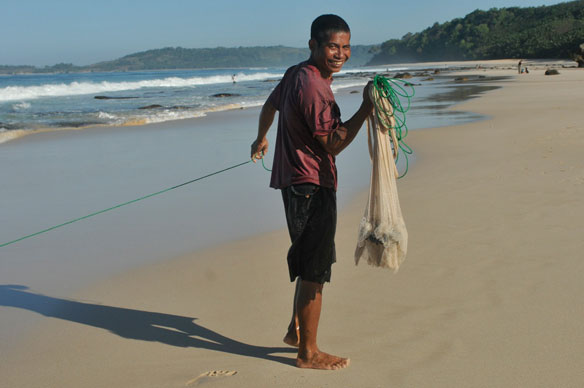
Management of fisheries at the community level can help curb overfishing and the ‘tragedy of the commons’ which is driving humans to decimate the planet’s dwindling fish stocks, an international scientific team concluded. In an analysis of 42 coral reef sites where coastal resources are managed by partnerships between governments, conservation groups, and fishers, they found that such co-management is largely successful in both sustaining fisheries and improving livelihoods.
Hydrogen Sulfide Emissions off of Africa
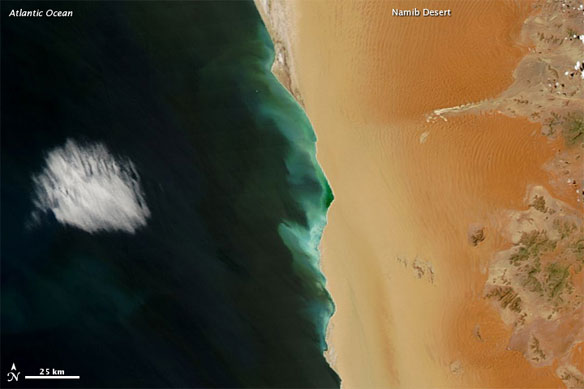
Pale green patterns tinted the water along the Namibian coast. But unlike other bright hues that occasionally show up in the ocean, these colors didn’t result from a phytoplankton bloom.
New Greenpeace Research: Washing Big Name Brands Makes Consumers Polluters
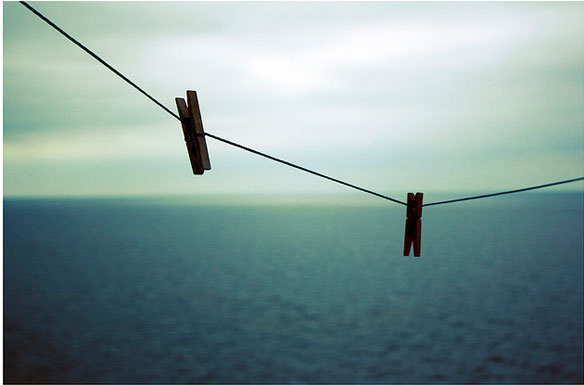
Greenpeace today released evidence that hazardous chemical residues in clothing items sold by major brands are released into public waterways when they are washed by consumers. Once entering our rivers, lakes and seas these chemicals then break down into even more toxic and hormone-disrupting substances.
Mission Blue: Coiba, Panama
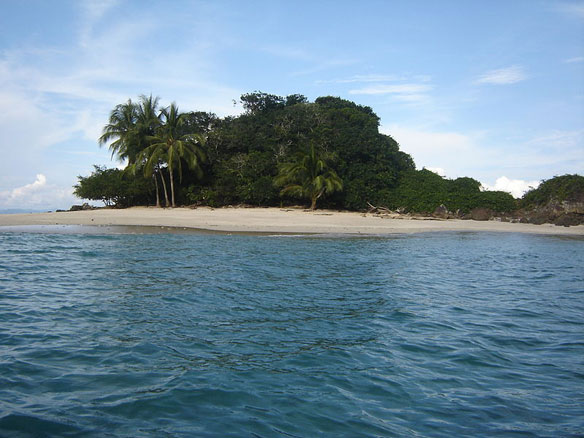
Considered a precious jewel of the Pacific, Coiba National Park, located off the southwest coast of Panama, is made up of Coiba Island, 38 smaller islands and the surrounding marine areas within the Gulf of Chiriqui. The Mission Blue team, including oceanographer Sylvia Earle and Smithsonian senior scientists Hector Guzman, embarked on an expedition to draw attention to the importance of Coiba’s protection and explore its waters.
Radical Sand Dune project
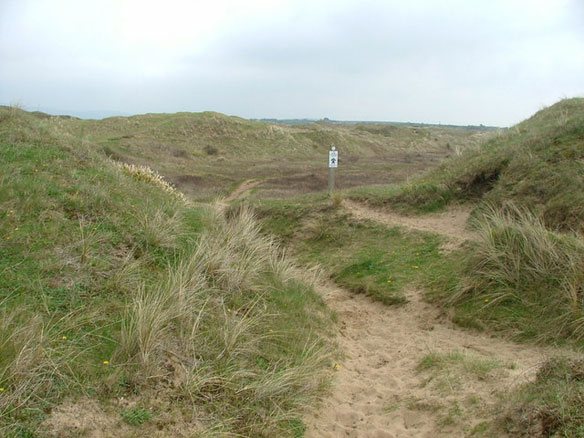
Will a pioneering project to reshape sand dunes that are home to a stronghold of fen orchids and other rare plants and invertebrates, protect or destroy the habitat?