
En Bretagne, Le “Peuple des Dunes” Défend Son Sable
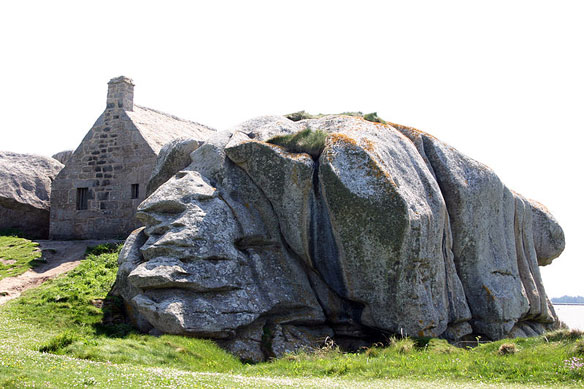
Fous de Bassan, cormorans huppés, petits pingouins, guillemots de Troïl, fulmars boréaux, goélands ou encore puffins des Anglais se pressent sur ce littoral des Côtes-d’Armor. C’est pour eux et pour tout le secteur de la pêche et du tourisme aussi, que le collectif le Peuple des dunes, se bat.
To Go: Plastic-Foam Containers, if the Mayor Gets His Way
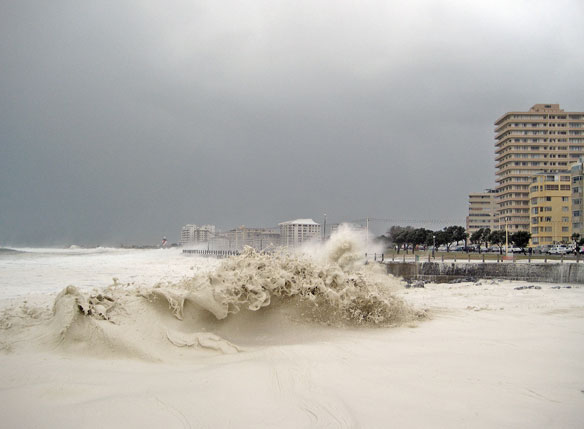
New York City Mayor Michael R. Bloomberg, whose regulatory lance has slain fatty foods, supersize sodas, and smoking in parks, is now targeting plastic foam, the much-derided polymer that environmentalists have long tried to restrict.
Dune de Pyla, A new “Sahara” desert being born in France, In Pictures
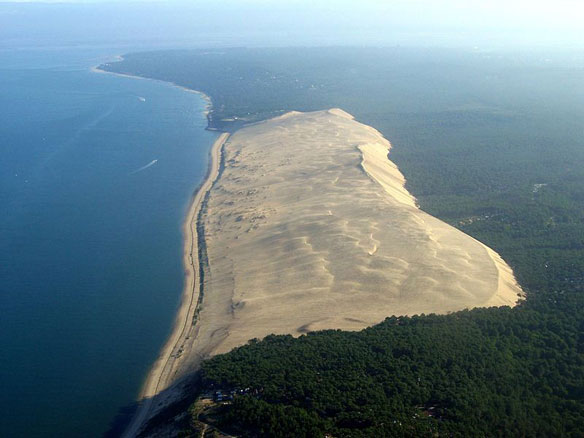
The Great Dune of Pyla is the tallest sand dune in Europe. It is located in the Arcachon Bay area, France, 37 miles (60 km) from Bordeaux. The dune moves relentlessly towards the interior of the country and gradually covers buildings and roads…
Secret funding helped build vast network of climate denial thinktanks
Anonymous billionaires donated $120m to more than 100 anti-climate groups working to discredit climate change science.
EPA Releases First Climate Adaptation Plan
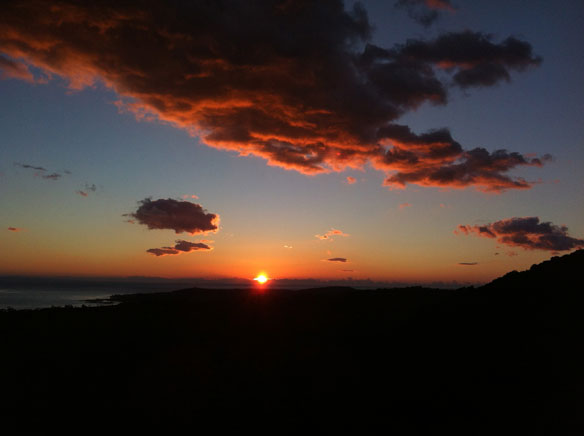
For the first time, the U.S. Environmental Protection Agency (EPA) has publicly released a draft plan on how the department’s programmes will adapt to global warming, in a move that could lay additional groundwork for important new emissions rulemaking the agency may announce in coming months.
Hurricane Sandy Was Second-Costliest In U.S. History, Report Shows
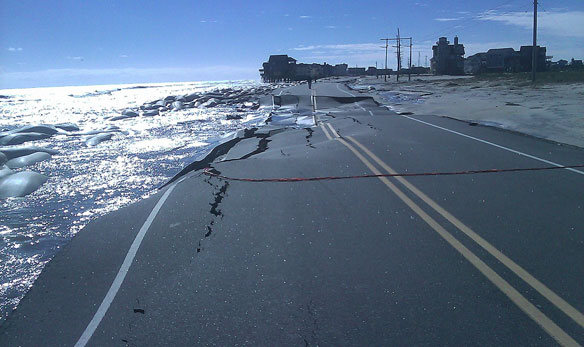
Superstorm Sandy was the deadliest hurricane to hit the northeastern U.S. in 40 years and the second-costliest in the nation’s history.
Tracking Sediment Carried by Mississippi Flood to Louisiana’s Wetlands
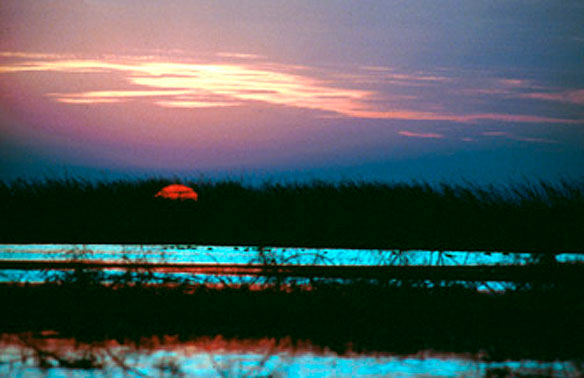
The spring 2011 flood on the Mississippi was among the largest floods ever, the river swelling over its banks and wreaking destruction in the surrounding areas. But a study also shows that the floods reaped environmental benefits, transporting and laying down new sediment in portions of the Delta, that may help maintain the area’s wetlands.
Retooling New York for Apocalyptic Storms
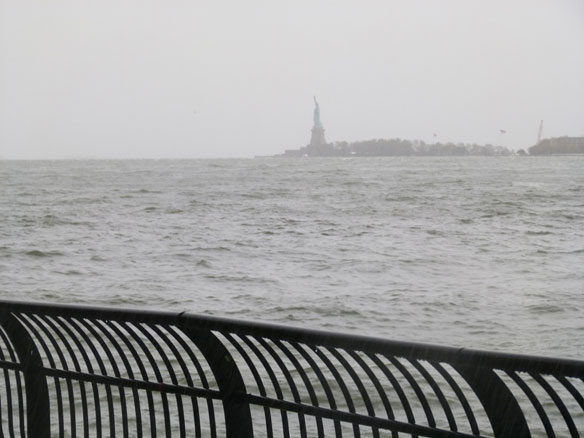
During World War II, a German U-boat made its way into New York Harbour. It fired two torpedoes at a British tanker, splitting the hull in three places and igniting it in flames. The captain and 35 members of his crew burned to death. Seventy years later, New York Harbour is Lower Manhattan’s first line of defence against another threat: the rising tides of the sea.
Wind Power Capacity Grew 20% Globally In 2012, Figures Show
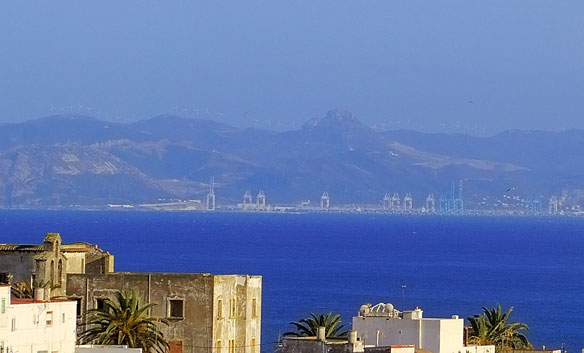
Wind power expanded by almost 20% in 2012 around the world to reach a new peak of 282 gigawatts (GW) of total installed capacity, while solar power reached more than 100GW, having more than doubled in two years.