
New Water-Quality Test May Prevent Unnecessary Beach Closures
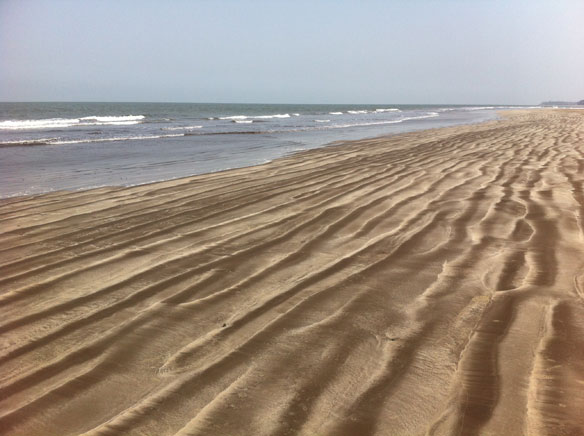
A new rapid water-quality test may prevent beaches from being closed by providing accurate same day results of bacteria levels, according to a new study by the U.S. Geological Survey.
Significant Contribution of Greenland’s Peripheral Glaciers to Sea-Level Rise
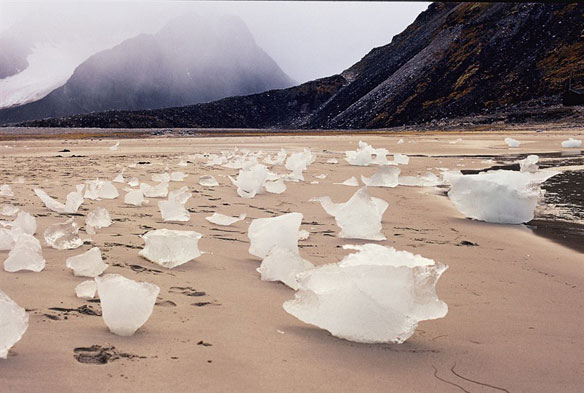
Glaciers at the edge of Greenland which are not connected to its huge ice sheet, or can be clearly separated from it, are contributing to sea-level rise much more than previously thought.
Fish Near Fukushima Reportedly Contains High Cesium Level

The Japanese utility that owns the tsunami-damaged nuclear power plant says it has detected a record 740,000 becquerels per kilogram of radioactive cesium in a fish caught close to the plant. Most fish along the Fukushima coast are barred from market.
BP Appeal Over ‘Absurd’ Gulf Oil Spill Payouts
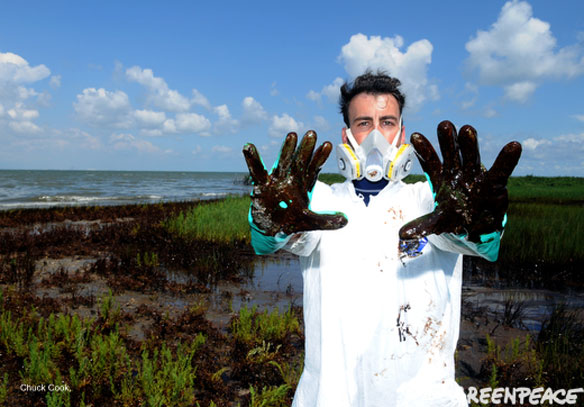
Oil giant BP is taking legal action in the US to limit payouts by a fund set up to compensate those affected by the 2010 oil spill in the Gulf of Mexico.
Patagonia’s New Marine Parks, In Pictures
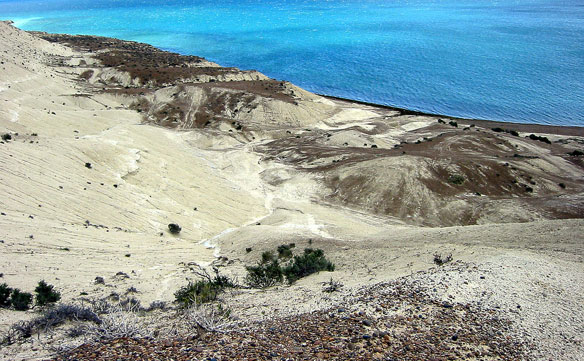
The National Congress of Argentina has recently created two new marine protected areas, the Pingüino Coastal Marine Park and Makenke Coastal Marine Park.
Hunting High Sea Levels in South Africa
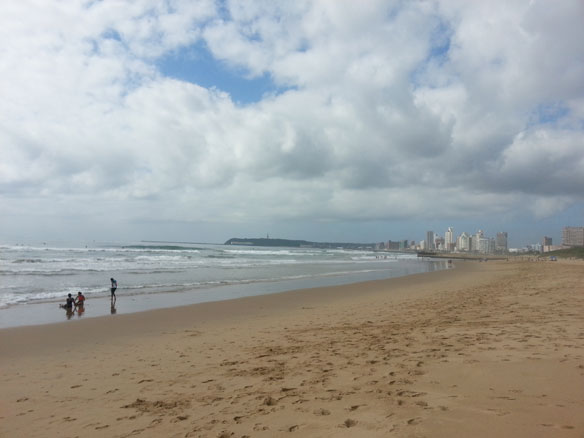
Along the coast of South Africa, researchers explore ancient rock formations dating to a period about 120,000 years ago when the earth was warmer and sea level was higher than today, trying to find clues and determine just how high the oceans might rise in a warmer world.
Pollution Kills Thousands of Fish in Brazil
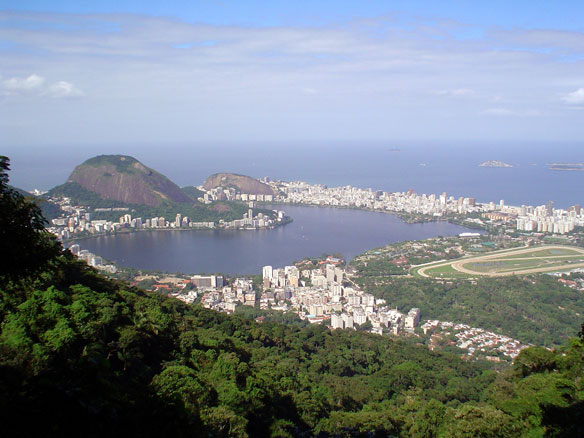
Thousands of fish have been removed from the Rodrigo de Freitas lagoon in Rio de Janeiro, after oxygen levels dropped due to pollution, according to local media.
Tallying natural disaster-related losses
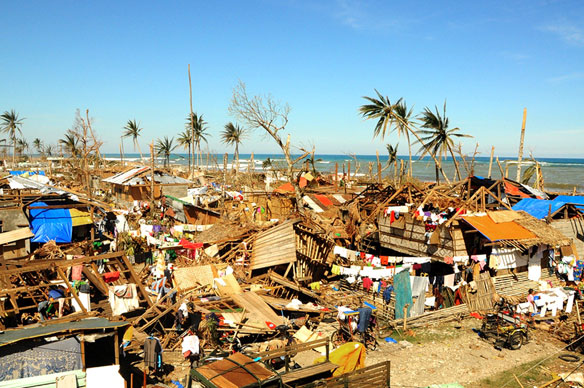
For three consecutive years, natural hazards have cost the world more than US$100 billion a year, according to new data from the Brussels-based Centre for Research on the Epidemiology of Disasters (CRED), released in Geneva.
U.S. Clean Energy Research To Be Paid For With Federal Oil
President Barack Obama is pushing Congress to authorize $200 million a year for research into clean energy technologies that can wean automobiles off oil.