
Tracking Sediments’ Fate In Largest-Ever Dam Removal
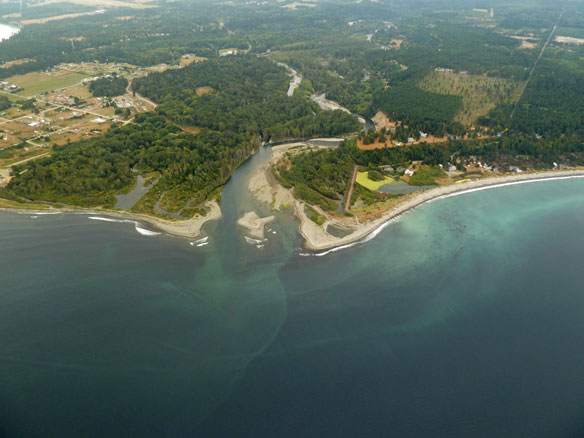
Scientists tracking the aftermath of the largest dam removal in U.S. history say the dismantling of a dam in northwestern Washington state has unleashed about 34 million cubic yards of sediment and debris that built up for more than a century.
Canada’s Arctic Glaciers Headed For Unstoppable Thaw
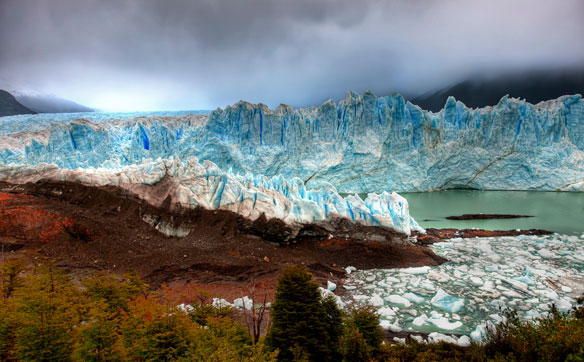
Canada’s Arctic Archipelago glaciers will melt faster than ever in the next few centuries.
Recent Heat Spike Unlike Anything In 11,000 Years
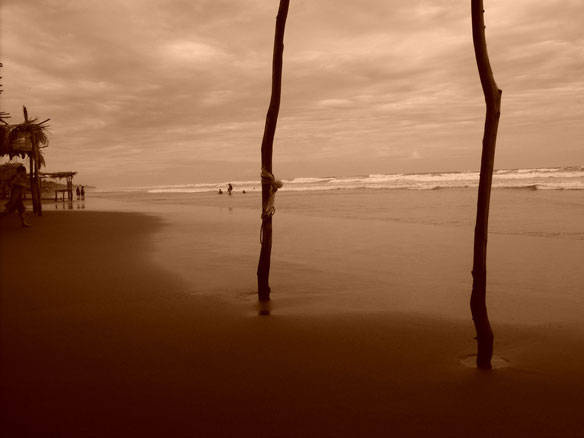
A new study looking at 11,000 years of climate temperatures shows the world in the middle of a dramatic U-turn, lurching from near-record cooling to a heat spike.
Giving Communities A Voice In Resilience
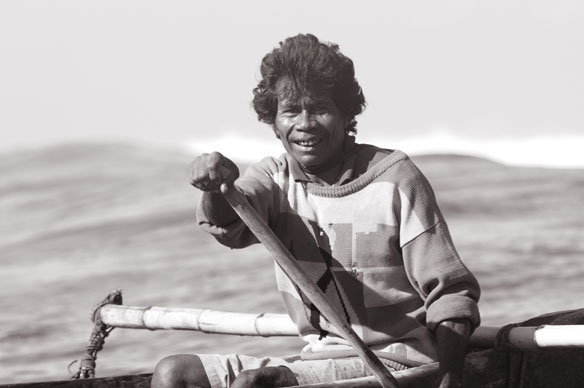
Most rural communities facing recurrent climate shocks learn to adapt, using their own resources and knowledge. Yet many international aid programmes have outside experts craft interventions without the involvement of those they seek to help.
Beaches Close As Sharks Make Annual Migration Along South Florida’s Coast

Temporary closures in south-east Florida sparked by arrival of thousands of ‘not predatory’ blacktip and spinner sharks.
NASA Wallops Recovery Continues From Hurricane Sandy
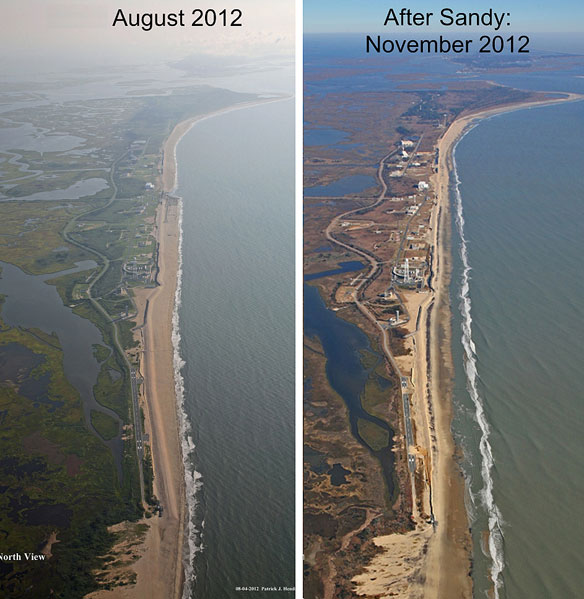
Hurricane Sandy removed about 700 feet of protective berm and about 20 percent of the beach protecting Wallops Island, home to NASA Wallops’ launch pads and launch support facilities.
Analysis: Export Oil, Import Water – the Middle East’s Risky Economics
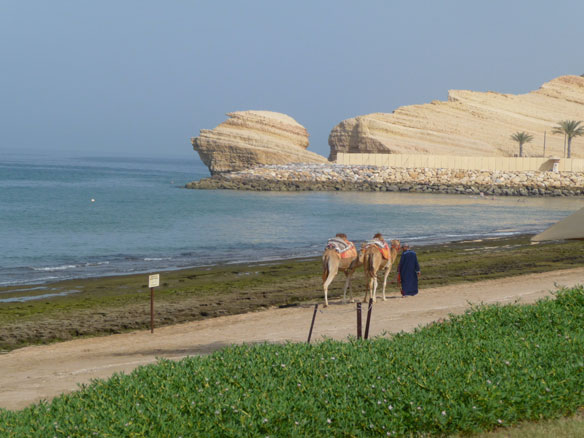
A recent study of NASA satellite data found that parts of Turkey, Syria, Iraq and Iran along the Tigris and Euphrates river basins had lost 144 cubic kilometres of water from 2003 to 2009, roughly equivalent to the volume of the Dead Sea. With scientist predicting an increase in extreme weather events, adaptability has become increasingly important.
We Aren’t Fighting Poverty Here, We’re Improving the Quality of Life
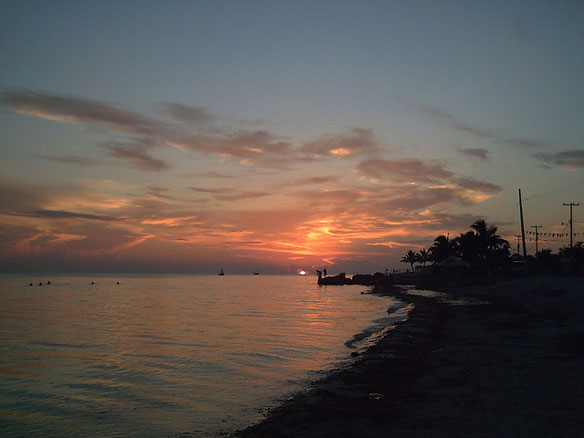
The residents of San Crisanto, a coastal village nestled in an idyllic setting in the southeastern Mexican state of Yucatán, have learned that valuing and protecting natural resources can generate employment and income.
The Making of Antarctica’s Hidden Fjords
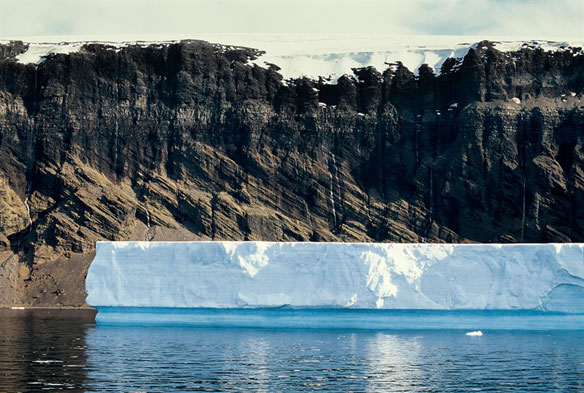
Antarctica’s topography began changing from flat to fjord-filled starting about 34 million years ago. Knowing when Antarctica’s topography started shifting from a flat landscape to one with glaciers, fjords and mountains is important for modeling how the Antarctic ice sheet affects global climate and sea-level rise.