
Skip to content
  • Home | News
  • Coastal Issues
    • Sand Mining
    • Pollution
      • Plastic
      • Hydrocarbon, Waste Water and Run-off
      • Trash
    • Shoreline Erosion | Coastal Armoring + Engineering
    • Dams, Sand Supply, and Habitat Recovery
    • Beach Nourishment + Maintenance
    • Problematic Coastal Development
    • Habitats | Ecosystem Disturbance
    • Climate Change | Sea Level Rise | Ocean Acidification
    • Coastal Management | Adaptation | Policy
    • Coastal Storms | Extreme Weather
  • Beach Basics
    • Reading a Beach
    • Waves
    • Exploring Beach Sand
    • Tides
    • Cyclones | Typhoons | Hurricanes
    • Sand Dunes
    • Coral Reefs
    • Seashells
  • Coastal Care JR
  • Art + Science
  • Resources
    • Book Reviews
    • Beach Science Bibliography
    • Useful Links
  • Ask an Expert
  • About
  • Contact
  • Home | News
  • Coastal Issues
    • Sand Mining
    • Pollution
      • Plastic
      • Hydrocarbon, Waste Water and Run-off
      • Trash
    • Shoreline Erosion | Coastal Armoring + Engineering
    • Dams, Sand Supply, and Habitat Recovery
    • Beach Nourishment + Maintenance
    • Problematic Coastal Development
    • Habitats | Ecosystem Disturbance
    • Climate Change | Sea Level Rise | Ocean Acidification
    • Coastal Management | Adaptation | Policy
    • Coastal Storms | Extreme Weather
  • Beach Basics
    • Reading a Beach
    • Waves
    • Exploring Beach Sand
    • Tides
    • Cyclones | Typhoons | Hurricanes
    • Sand Dunes
    • Coral Reefs
    • Seashells
  • Coastal Care JR
  • Art + Science
  • Resources
    • Book Reviews
    • Beach Science Bibliography
    • Useful Links
  • Ask an Expert
  • About
  • Contact

Day: September 13, 2013

New Colour Purple Depicts Worsening Climate Risks in U.N. Draft Report

Some parts of nature and human society are more vulnerable than expected to climate change, according to a draft of a U.N. report that adds a new purple colour to a key diagram to show worsening risks beyond the red used so far.

Unexpected Interaction Between Ocean Currents and Bacteria
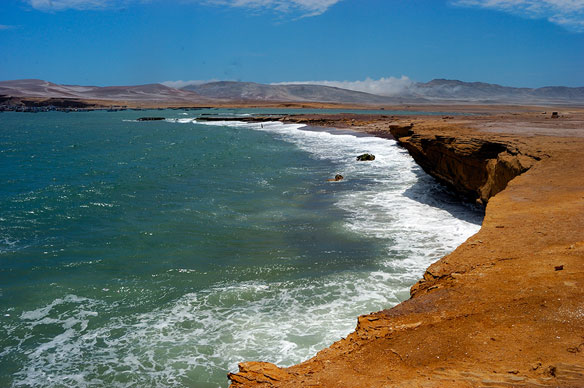
For the first time, researchers have successfully demonstrated an interaction between ocean currents and bacteria: The unexpected interaction leads to the production of vast amounts of nitrogen gas in the Pacific Ocean.

  • Home | News
  • FAQ
  • Privacy Policy
  • Legal Notice
  • Archived Menu
  • Contact
  • Home | News
  • FAQ
  • Privacy Policy
  • Legal Notice
  • Archived Menu
  • Contact
Instagram Facebook Twitter

© 2010 – 2024 CoastalCare.org