
Experts Team Up on Tsunami Resilience in California
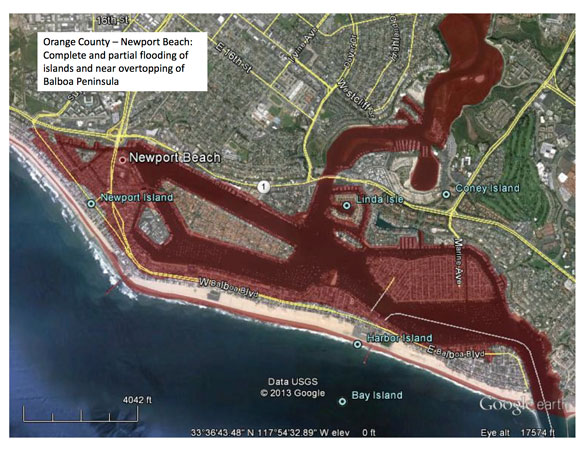
An earthquake in Alaska, if large enough, could spawn a tsunami that could cause at least $10 billion in damage along California’s coastline, scientists say.
Clues in Coral Bleaching Mystery
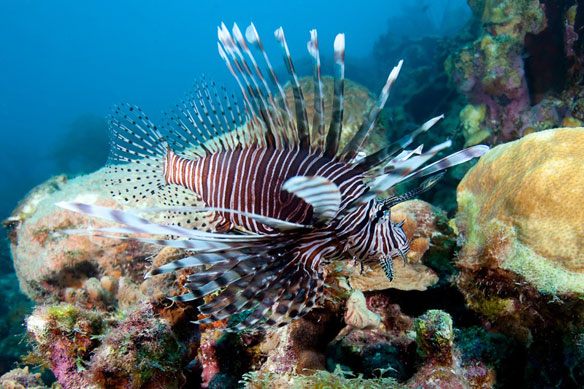
Coral reefs are tremendously important for ocean biodiversity, as well as for the economic and aesthetic value they provide to their surrounding communities. Unfortunately they have been in great decline in recent years, much of it due to the effects of global climate change.
The Beach Builders, Can the Jersey Shore be saved?
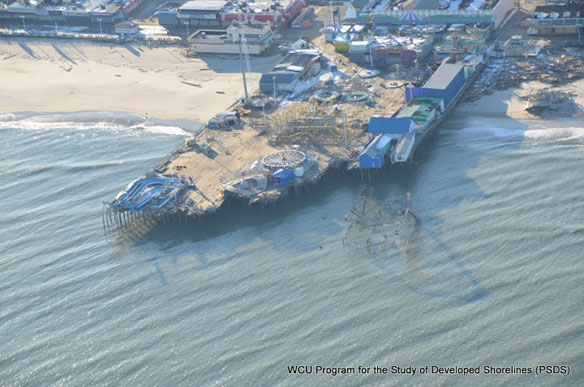
New Yorker staff writer John Seabrook discusses the effort to protect New Jersey’s beaches in an age of superstorms like last year’s Hurricane Sandy.
Sharks, Victims or Perpetrators?
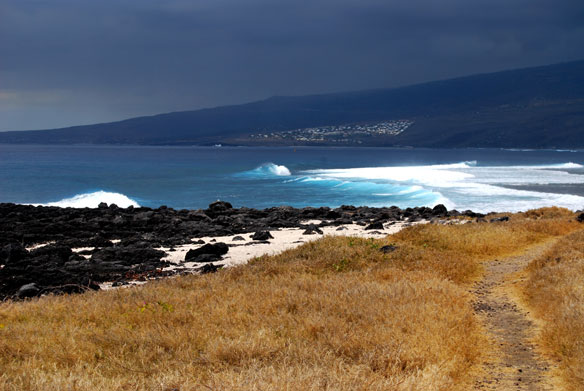
When it comes to humans and sharks, who is predator and who is prey? And what lessons need to be learned when people venture into environments where they are exposed to dangers posed by wildlife?
Sea-Level Rise Drives Shoreline Retreat in Hawaii
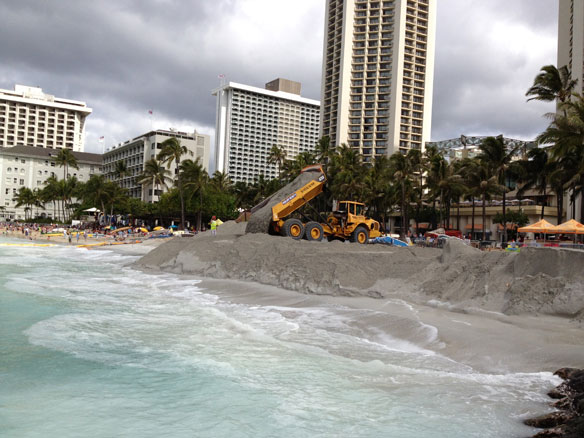
Sea-level rise has been isolated as a principal cause of coastal erosion in Hawaii.
Study Links Mercury Levels In Fish To Coal-Fired Power Plants
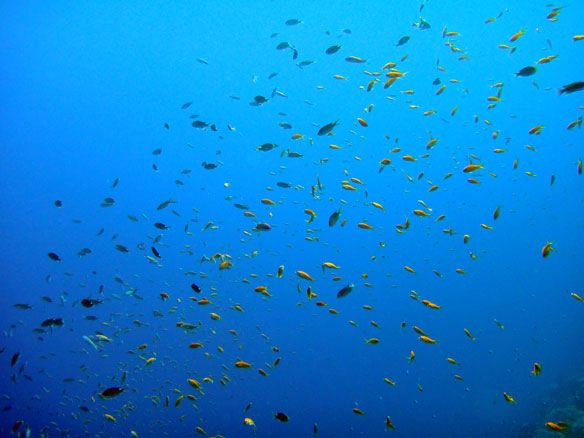
As if you needed another reason to cringe at the number of coal-fired power plants operating on our fragile Earth, a new study published in Nature Geoscience links power plants in China and India to the ever-increasing mercury levels of fish in the Pacific Ocean…
Tsunami on the Delaware River? Study of Historical Quake and Early East Coast Seismicity
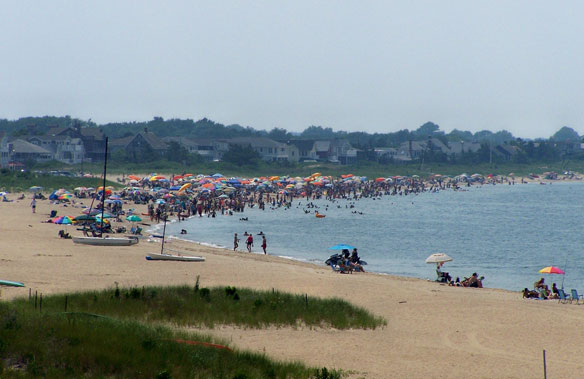
A newly published paper concludes that a modest (one-foot) tsunami-like event on the East Coast was generated in the past by a large offshore earthquake. This result may have potential ramifications for emergency management professionals, government officials, businesses and the general public.
Fukushima Radiation Leaks Reach Deadly New High
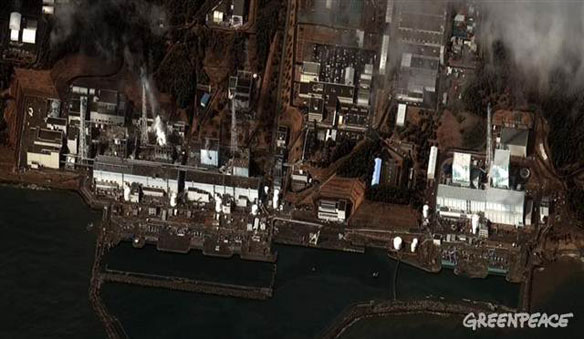
On Wednesday the country’s nuclear regulation authority said radiation readings near water storage tanks at the Fukushima Daiichi nuclear power plant have increased to a new high, with emissions above the ground near one group of tanks were as high as 2,200 millisieverts [mSv] per hour, a rise of 20% from the previous high.
Sand Thieves Are Eroding World’s Beaches For Castles Of Cash
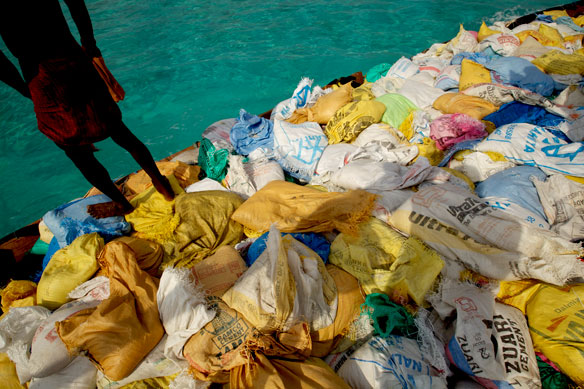
The pillaging of sand is a growing practice in the world. Taken by hand, three or four meters deep in the Maldives archipelago, or transported on a donkey, or sucked up by huge sand boats in Asia, coastal sand mining, authorized or unlawful, is exploding.