
UK: East Coast Floods: Aerial view of Tidal Surge Aftermath
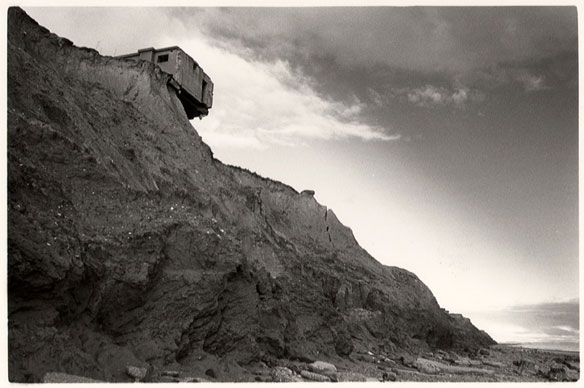
Aerial footage shows the extent of damage caused to properties and coastal landscape after the worst tidal surge in more than 60 years battered the east coast of Britain…
Sandy Tribute to Nelson Mandela at Odisha’s Puri beach
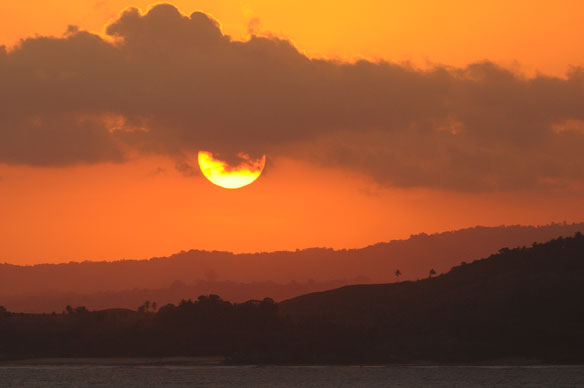
Sand artist Sudarsan Pattnaik Friday created a sculpture of Nelson Mandela on the Puri beach in Odisha to pay tribute to the anti-apartheid icon.
Fukushima: WHOI Senior Scientist Studies Irradiated Water

Collecting samples off the coast where the Fukushima nuclear power plant was damaged in a March 2011 earthquake, the WHOI senior scientist measured higher than normal radiation levels long after the original disaster.
Shell Plans Return To Offshore Drilling In Alaska Next Year

Royal Dutch Shell Plc aims to return to Alaskan offshore drilling next July by deploying an upgraded drillship in the Chukchi Sea, while keeping a newly contracted backup drillship ready if needed, according to plans released on Wednesday.
New Jersey Shore Likely Faces Unprecedented Flooding by Mid-Century
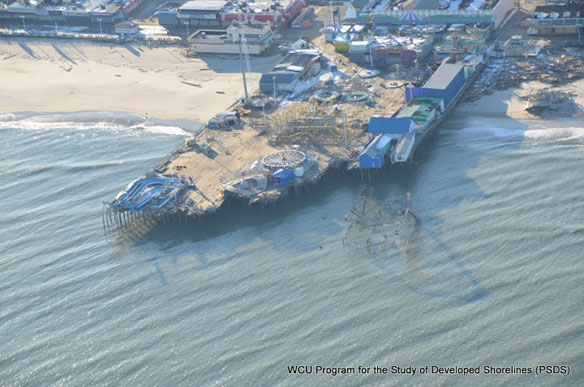
Geoscientists at Rutgers and Tufts universities estimate that the New Jersey shore will likely experience a sea-level rise of about 1.5 feet by 2050 and of about 3.5 feet by 2100 — 11 to 15 inches higher than the average for sea-level rise globally over the century.
20 Amazing Photographs Of Earth, Taken From Space

In a (slightly) different take on the standard “Best of 2013” roundup, DigitalGlobe has released its collection of the top 20 satellite images from 2013.
Microplastics Pose Toxic Threat To Marine Biodiversity
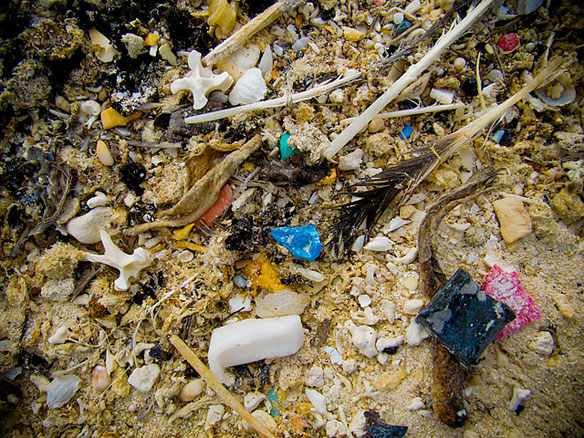
Tiny particles of waste plastic that are ingested by shoreline “eco-engineer” worms may be negatively affecting biodiversity, a study says.
Humans Threaten Wetlands’ Ability To Keep Pace With Sea-Level Rise
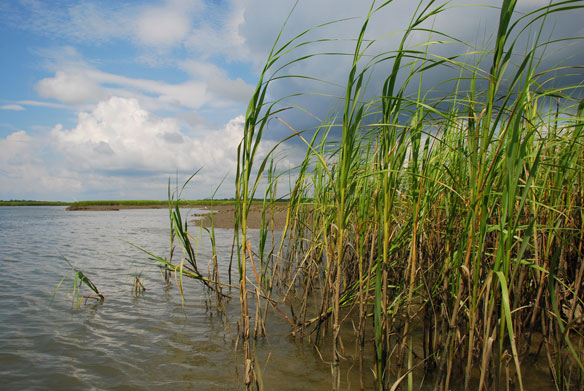
Left to themselves, coastal wetlands can resist rapid levels of sea-level rise. But humans could be sabotaging some of their best defenses.
Sea Level Rise and Shoreline Changes Are Lead Influences On Floods from Tropical Cyclones
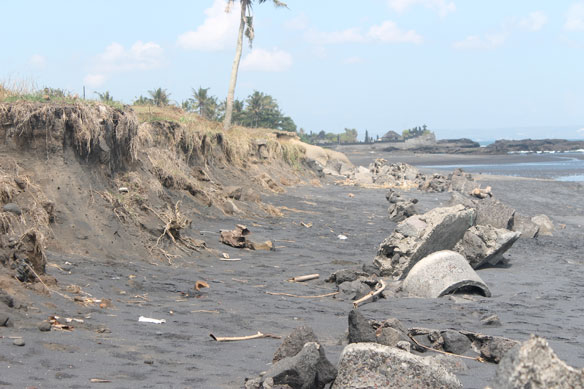
Despite the fact that recent studies have focused on climate change impacts on the intensity and frequency of tropical cyclones themselves, sea level rise and shoreline retreat remain the two more certain factors expected to drive an increase in future flood risk from such storms.