
Picture This: Cities Under 12 feet of Sea Level Rise
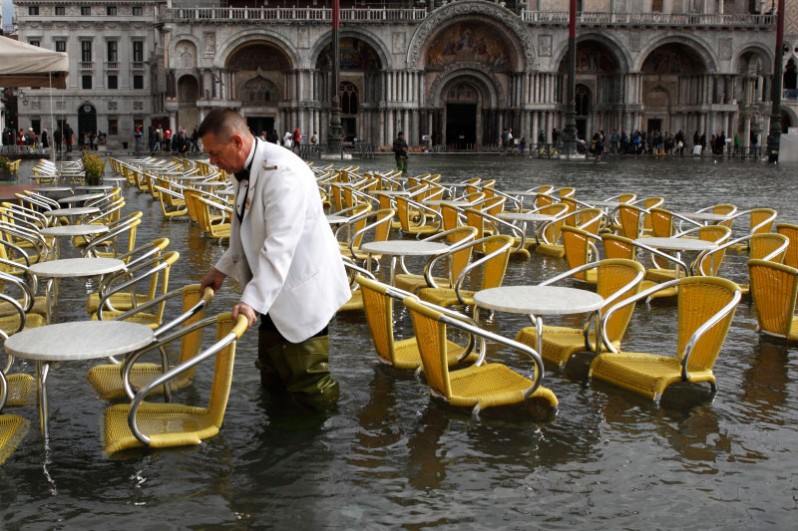
Maps are one way to understand what collapse of West Antarctic glaciers could eventually mean. Photos show it another way.
Can We Save The Galapagos? A Science Weekly Podcast
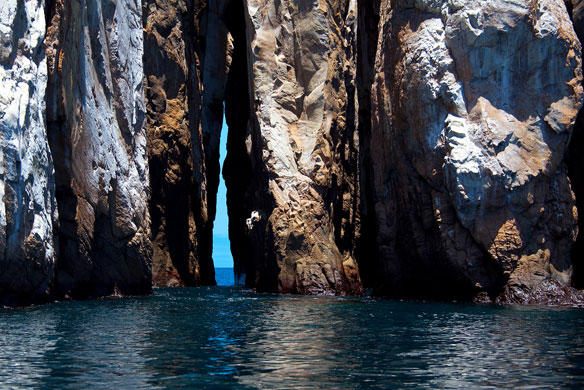
Author of The Galapagos, Henry Nicholls, delivers his verdict on the future of the islands’ unique wildlife, and discusses new evidence of the role of sea levels in past speciation.
Brown Pelicans: A Test Case For the Endangered Species Act
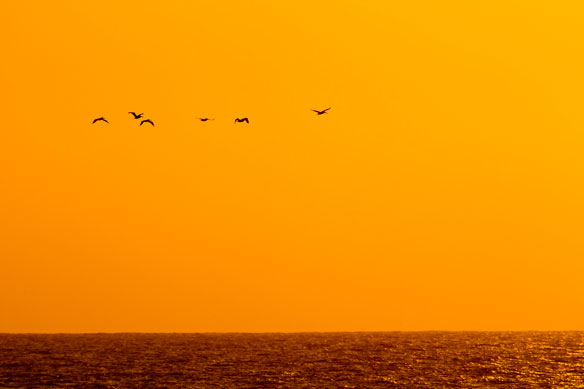
Brown pelicans were removed from the U.S. Endangered Species List in 2009, but a recent crash in Pacific Coast populations of sardines, the pelican’s prime food, is posing new threats to these oddly elegant birds. Pelicans are just one of many indicator species that fisheries managers ignore at the peril of both marine ecosystems and commercial fishermen.
Coral Reefs are Critical for Risk Reduction & Adaptation
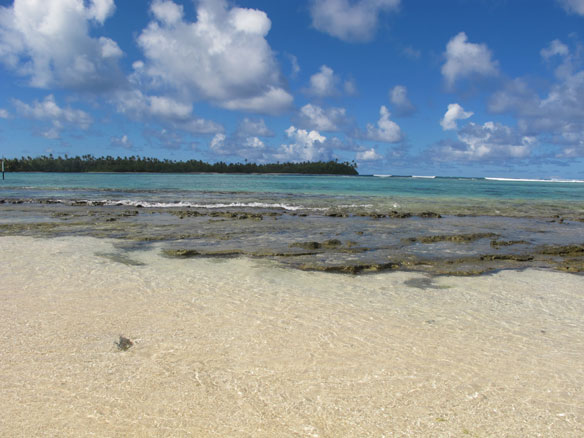
Stronger storms, rising seas, and flooding are placing hundreds of millions people at risk around the world, and big part of the solution to decrease those risks is just off shore. A new study finds that coral reefs reduce the wave energy that would otherwise impact coastlines by 97 percent.
Antarctica’s Glaciers are Collapsing – Are We Ready To Pay Attention?
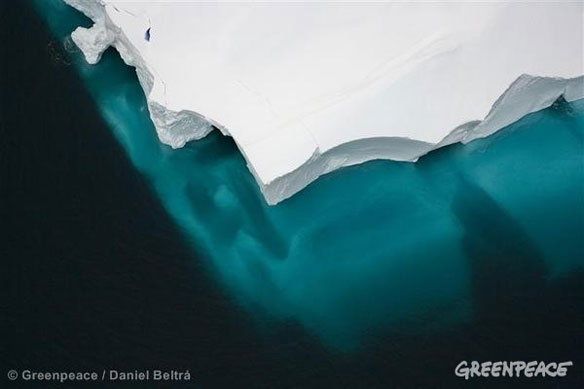
Changing coastlines are part of the new reality. Changes will happen more rapidly in the future – once we have come to terms with this, it may open the door for more meaningful action at local, national and global levels to cut the greenhouse gas emissions that are driving rapid climatic changes, and to help those who are most vulnerable to sea level rise…
Decline of West Antarctic Glaciers Appears Irreversible
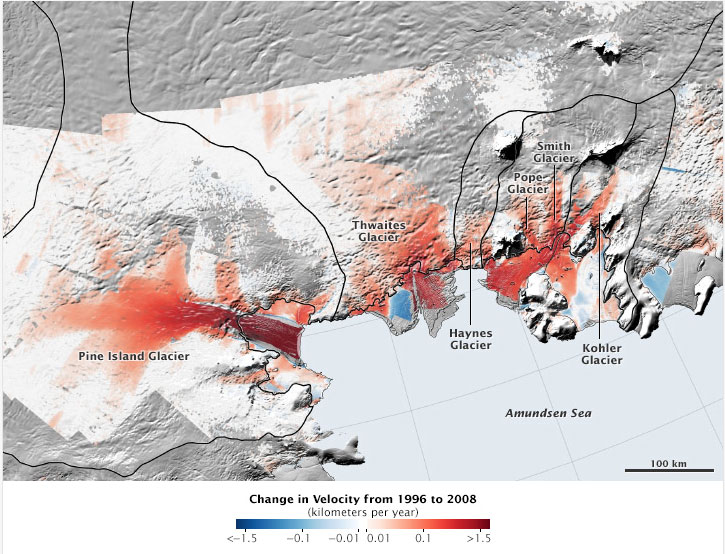
Two studies published this week conclude that a section of the West Antarctic ice sheet has reached a point of inevitable collapse, an event that would eventually raise sea levels more than a meter (three-plus feet).
Tropical Cyclone Maximum Intensity Is Shifting Toward Poles
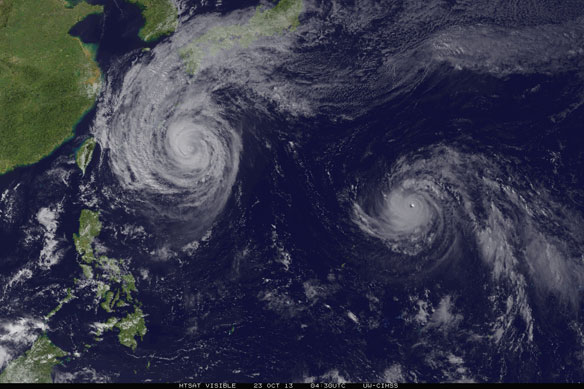
Researchers find that the average latitude where tropical cyclones achieve maximum intensity has been shifting poleward since 1980.
Traditional Wisdom to the Rescue in Cyclone Season
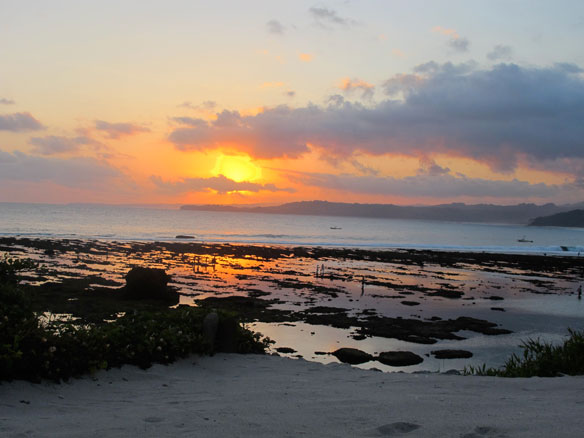
May and November bring the most vicious cyclones to the Bay of Bengal rim countries in Southeast Asia. However, in regions bordering the bay, the tribes defer to geomorphological conditions and respect Nature’s benevolence for disaster resilience
Mangroves Could Be Saviour of Guyana’s Shrinking Coastline
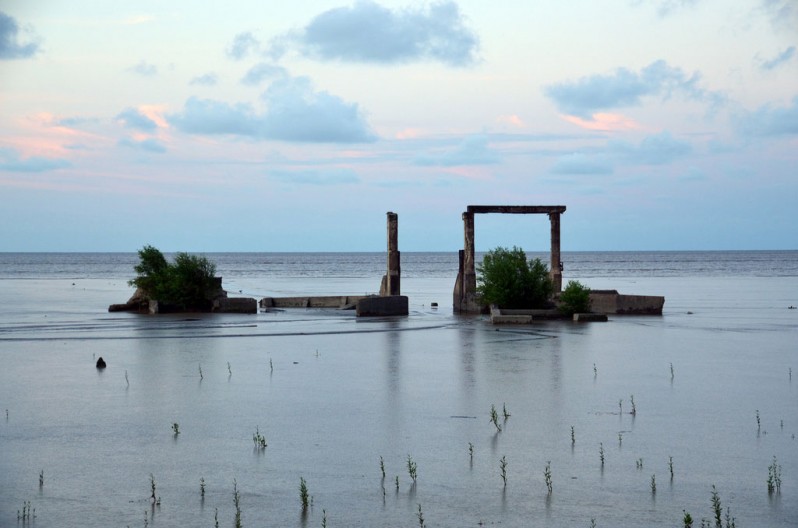
With climate change robbing Guyana of some of its prime agricultural land, the government is looking to mangroves as a natural barrier to the rising seas.