
San Franciscans in the Dark About Flood Hazards?
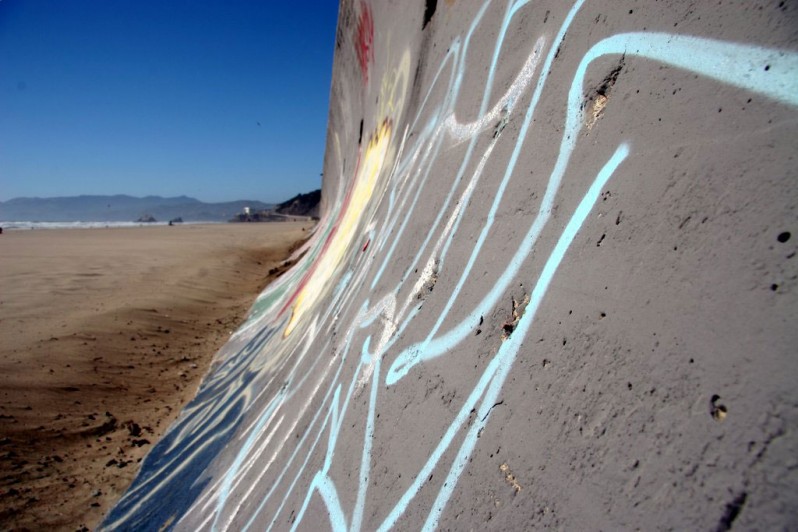
Ocean Beach, on the western edge of the city, has been offering San Franciscans a place to enjoy nature and water activities, but the shoreline is facing greater erosion due to sea level rise that threatens public safety and vital infrastructure.
Fukushima Accident Still Ongoing After Three Years: Q&A
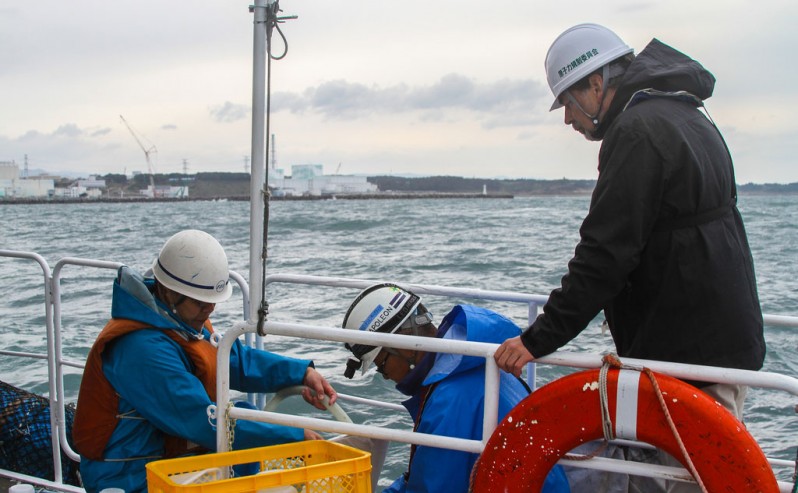
It has been three years since the nuclear accident in Fukushima, Japan. But the consequences are still ongoing due to continuous leaks of radioactivity into the environment, says independent nuclear energy consultant Mycle Schneider. It’s an unprecedented event in complexity, in size and in consequences.
U.S. Turns Attention to Ocean Conservation, Food Security
A first-time U.S.-hosted summit on protecting the oceans has resulted in pledges worth some 800 million dollars to be used for conservation efforts.
Can Waterless Dyeing Processes Clean Up the Clothing Industry?
One of the world’s most polluting industries is the textile-dyeing sector, which in China and other Asian nations releases trillions of liters of chemically tainted wastewater. The wastewater from that industry is then dumped, often untreated, into rivers that bring its toxic content to the sea, where it spreads around the globe.
Disaster-Prone Caribbean Looks to Better Financing
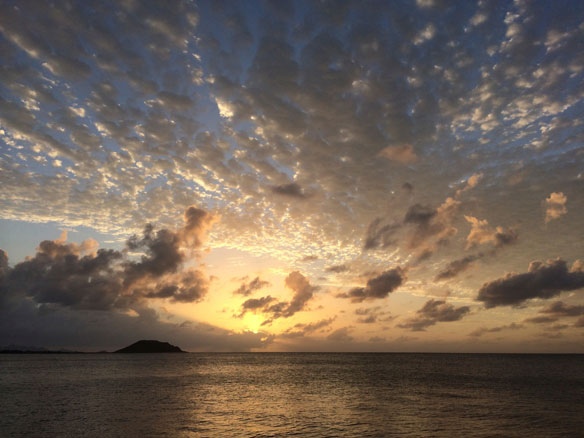
Flooding is commonplace in the Caribbean, with Guyana for instance, one of the most flood-prone countries in the region, where nearly 90 percent of the population lives in this narrow coastal plain largely below sea level.
Can Marsh Conservation Save Local Homes Prone To Beach Erosion?

Conservationists are offering a solution for combatting beach erosion on the North Shore. A Video News Report.
Slow-Motion Earthquakes Caused by Natural Fracking?
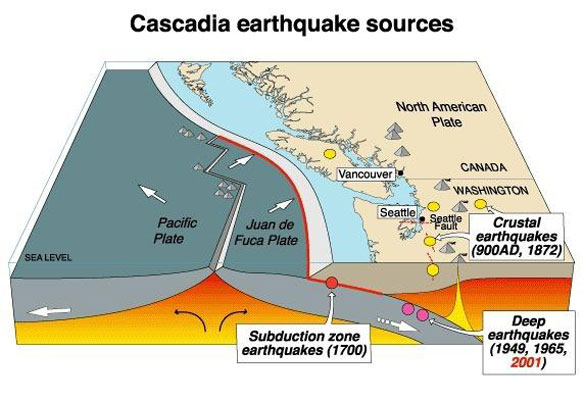
Natural fracking may be to blame for weird “slow” earthquakes that last for hours to days, a new study suggests.
Taranaki Seabed Mining Application Declined
An application to mine ironsands off the south Taranaki coast has been declined. In today’s decision, the New Zealand Environmental Protection Agency said the major reason for refusing consent was the uncertainty around the scope and significance of potential environmental effects.
Tree Hitched A Ride To Island
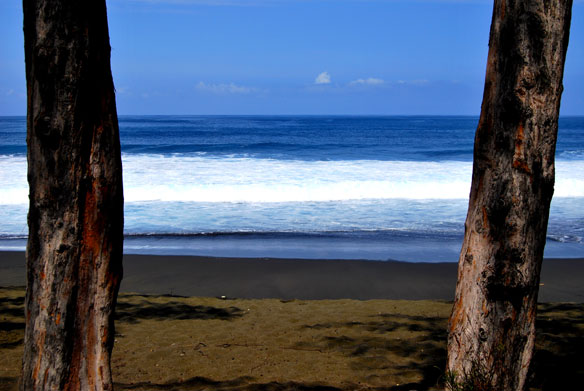
Acacia analysis reveals globetrotting seed trekked 18,000 kilometres from Hawaii Island to Réunion island. The researchers propose in a study published this week, that a sea bird brought a seed from Hawaii to Réunion in its stomach or stuck to its feet in a one-off event some 1.4 million years ago.