
Dams – Cutting off our Beach Sand; By Gary Griggs
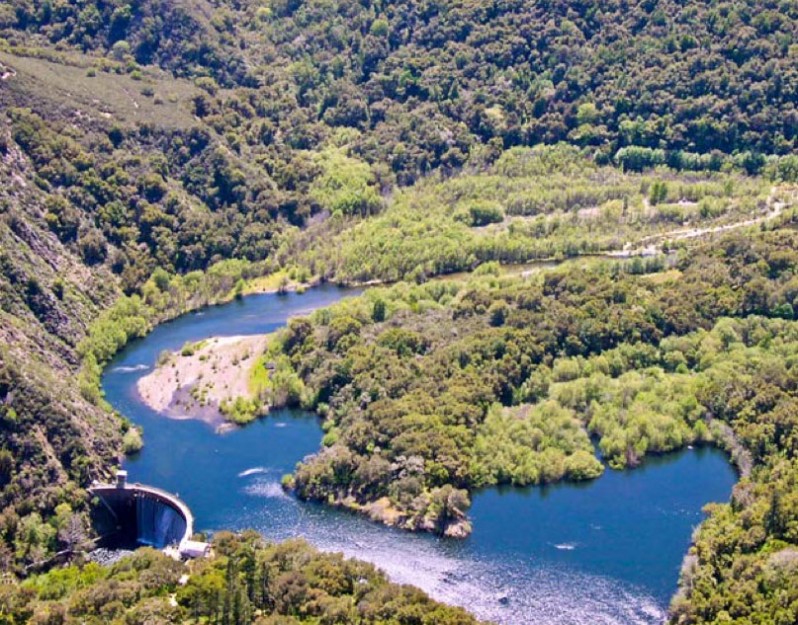
The total amount of beach sand trapped behind all of California’s coastal dams totals about 200 million cubic yards, or a line of dump trucks bumper to bumper stretching completely around the world nearly four times. “Dams – Cutting off our Beach Sand” is excerpted from “Our Ocean Backyard- Collected Essays, ” a book by Gary Griggs.
Rising Air and Sea Temperatures Continue to Trigger Changes in the Arctic
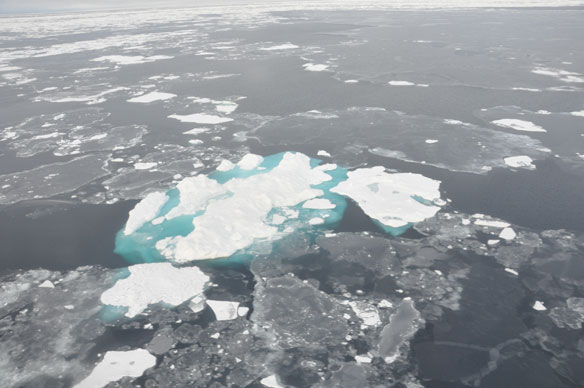
A new NOAA-led report shows that Arctic air temperatures continue to rise at more than twice the rate of global air temperatures, a phenomenon known as Arctic amplification.
Could New York’s Fracking Ban Have Domino Effect?
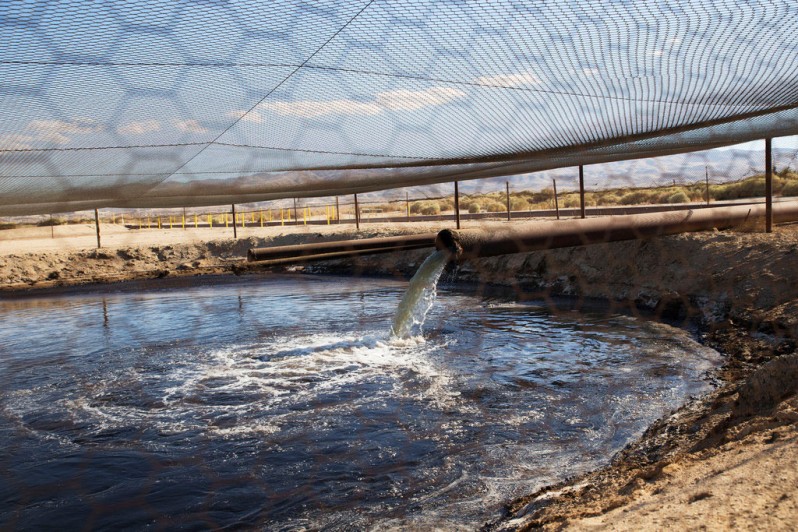
New York’s decision to ban fracking for health reasons could reverberate beyond the state, bolstering other efforts to limit the controversial method of drilling for oil and natural gas.
UN Sends Team to Clean Up Sunderbans Oil Spill in Bangladesh
The United Nations said on Thursday it has sent a team of international experts to Bangladesh to help clean up the world’s largest mangrove forest, more than a week after it was hit by a huge oil spill.
NOAA Establishes Tipping Points for Sea Level Rise Related Flooding
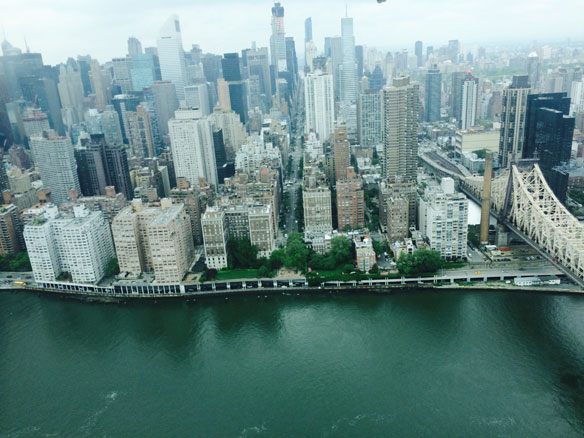
By 2050, a majority of U.S. coastal areas are likely to be threatened by 30 or more days of flooding each year due to dramatically accelerating impacts from sea level rise, according to a new NOAA study.
Acidic Oceans Could Quiet Coral Reefs
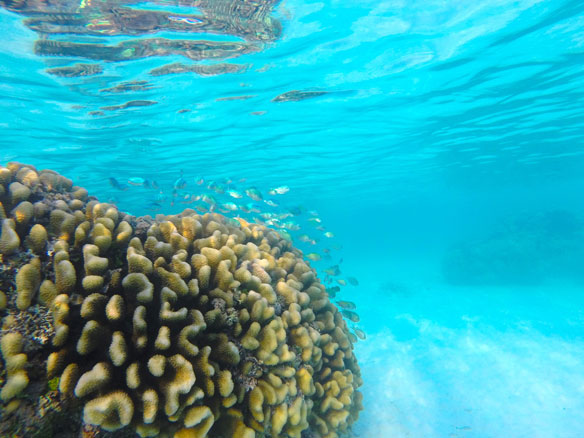
Scientists have been monitoring underwater sounds for decades, in part because sound propagates so efficiently underwater. But in the past 10 years, scientists have started exploring how sonic cues influence fish behavior and give a snapshot of reef health and biodiversity.
Aboriginal Knowledge Could Unlock Climate Solutions
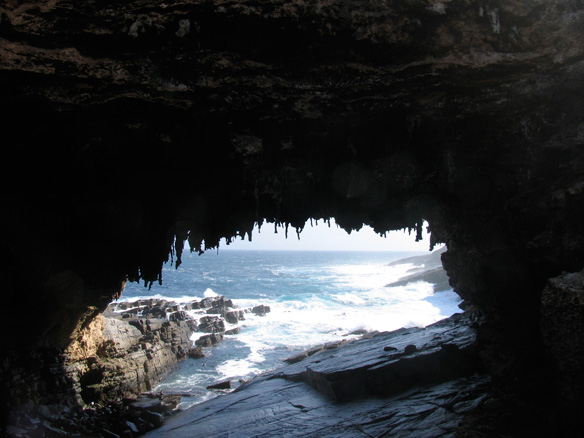
Environmental and Indigenous groups are urging the government to create new partnerships with indigenous Australians in climate adaptation and mitigation policies and also to tap into indigenous knowledge of natural resource management. A number of indigenous communities live in low-lying areas near wetlands, estuaries and river systems, and have lived in harmony with the land for generations.
Oil Spill in Bangladesh’s Unique Mangrove Forest
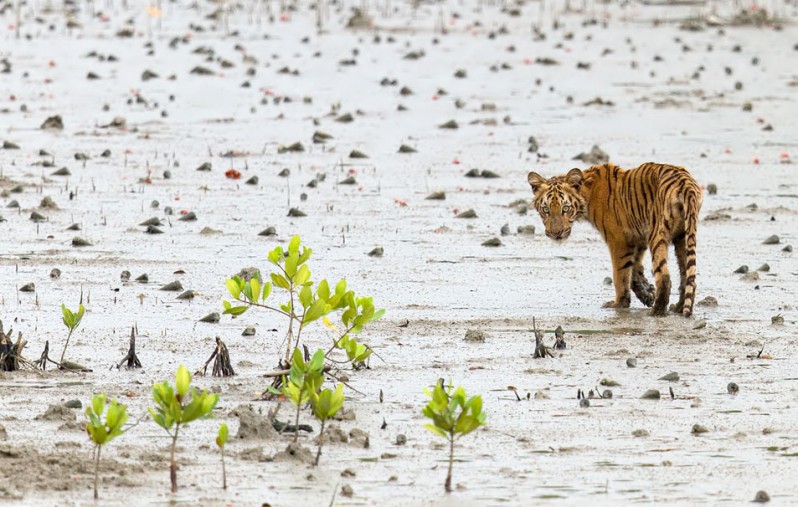
On December 12, three days after a cargo vessel collided with a tanker, oil coats mangrove trees in the Sundarbans, a delta that forms the world’s largest contiguous tidal mangrove forest—a haven for a spectacular diversity of animals. More than 90,000 gallons of oil have spilled into the rivers and creeks of the region.
The Largest Vessel the World Has Ever Seen
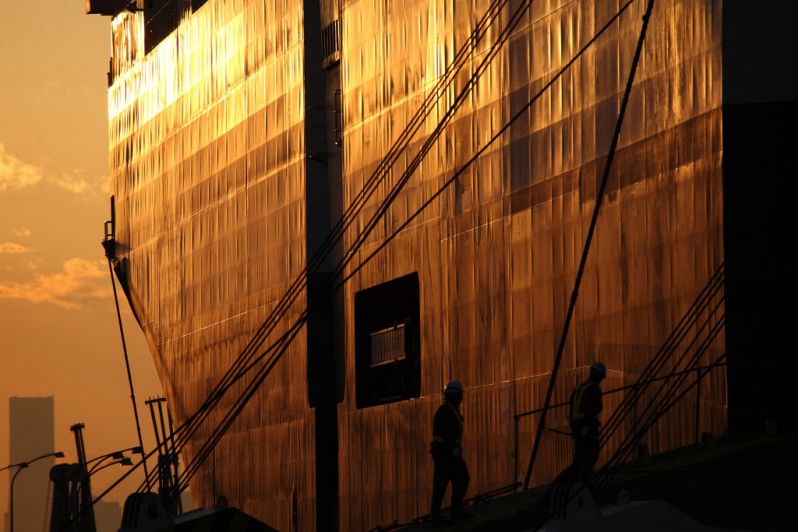
Painted a brilliant red, Prelude – a staggering 488m long vessel – looms over the Samsung Heavy Industries shipyard on Geoje Island in South Korea. Under construction for the energy giant Shell, the dimensions of the vessel are striking in their own right, but also as evidence of the sheer determination of the oil and gas industry to open up new sources of fuel.