
Plastic oceans: What do we know?
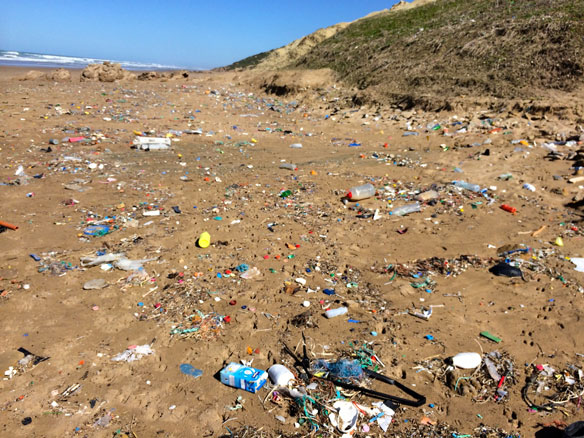
When it comes to throwing away rubbish, “away” is not some abstract space but a real location… About eight million tonnes of plastic waste are added to the oceans every year. An Exeter University research estimated that anyone consuming an average amount of seafood would ingest about 11,000 plastic particles a year.
‘Repetitive Loss’ Properties Raise Debate Over Rebuilding After Floods
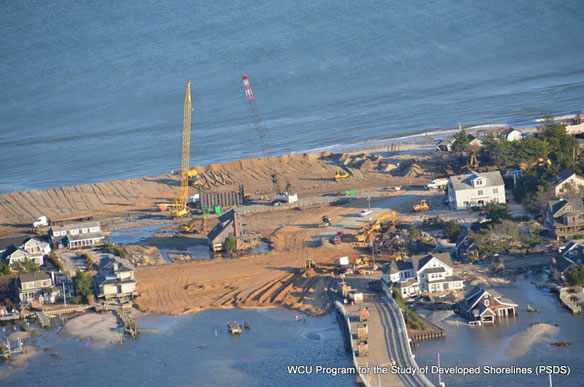
Throughout Connecticut, thousands of homes have suffered: repetitive loss, as FEMA calls it, from flooding. Many residents have rebuilt multiple times. And many, also have used government funds from an alphabet soup of federal programs and agencies to do some, if not all, of the work. But shoreline and climate experts, public officials and others have grown increasingly critical of such programs.
Food Chain Collapse Predicted in World’s Oceans
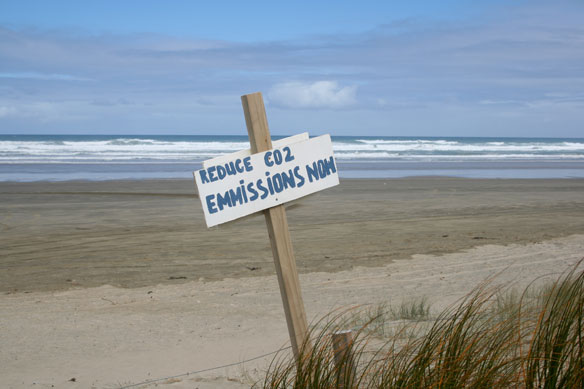
The first-of-its-kind global analysis of marine responses to climate change forecasts a grim future for fish. The world’s oceans are teeming with life, but rising carbon dioxide emissions could cause a collapse in the marine food chain from the top down, researchers in Australia said Monday.
Indonesia’s Protest Generation And Biggest Punk Band Are Fighting Land Reclamation
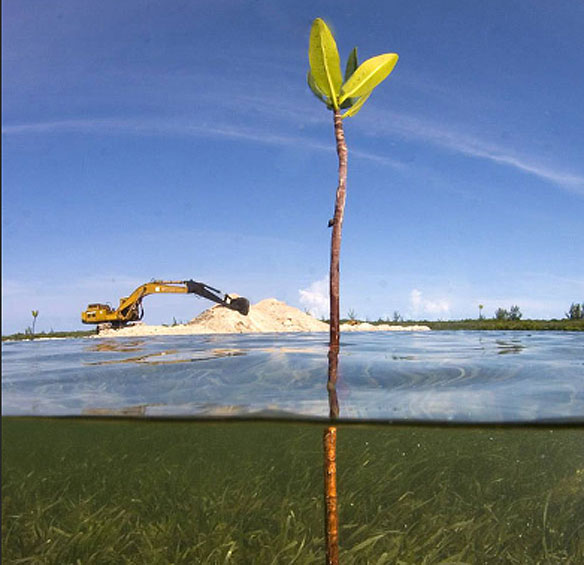
The protest, last summer, was just the latest surrounding a planned development that will “reclaim” 700-plus hectares of land from Benoa Bay, and its adjacent mangrove swamps, at the eastern end of Bali’s international airport, to create a number of Dubai-esque islands, hosting villas, luxury hotels, a golf course, and possibly even an amusement park.
Laws Help Enforce Some Environmental Treaties – But Not on Climate
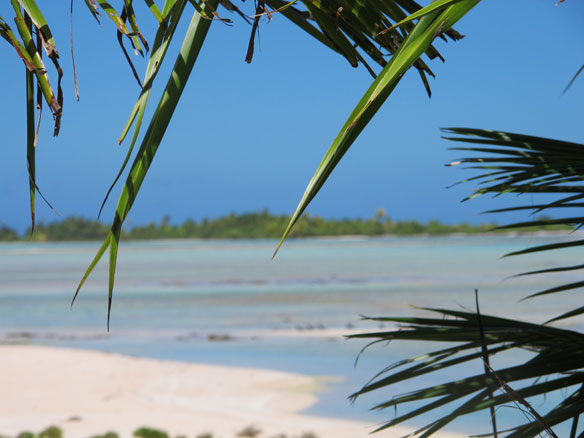
While legally enforceable environmental treaties do exist, experts say that some of the most effective environmental controls have come about from a shared sense of self-interest.
New Study Projects That Melting of Antarctic Ice Shelves Will Intensify
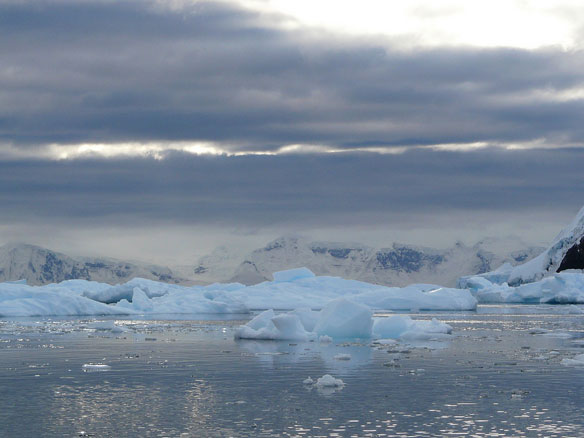
New research published today projects a doubling of surface melting of Antarctic ice shelves by 2050 and that by 2100 melting may surpass intensities associated with ice shelf collapse, if greenhouse gas emissions from fossil fuel consumption continue at the present rate.
Sand Dredging: Let’s Save Brittany’s Shores, France
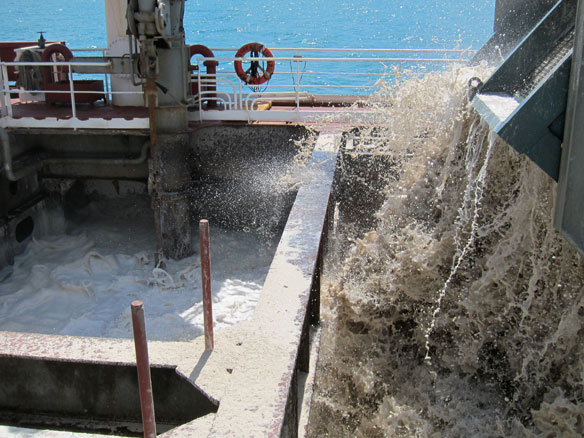
Brittany’s shores are in peril. A large-scale offshore sand dredging project, where hundreds of m3 of sand are going to be extracted, is about to become a devastating reality. Be the Change Petition: “Sand Dredging: Let’s Save Brittany’s Shores.”
See the Damage Done to Your Beach by Last Week’s Nor’Easter- Photos
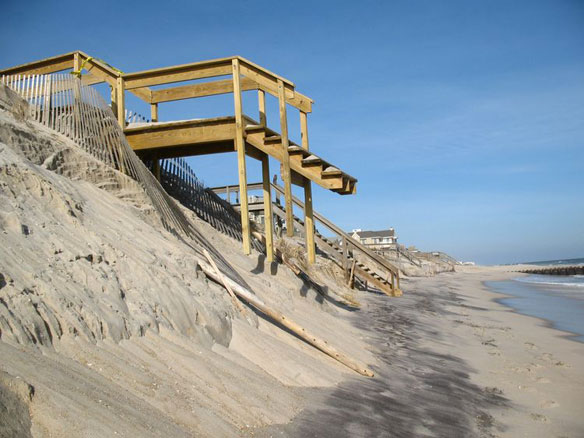
Last weekend’s prolonged nor’easter didn’t spare many of New Jersey’s beaches, but the storm saved its heaviest damage for the more vulnerable areas, where the beaches, already thin ribbons of sand, virtually disappeared. Aerial photos of 100 miles of coastline.
You Can’t Go Home Again: Rebuilding Lives After Fukushima

Following the 2011 Fukushima meltdown, two photojournalists made multiple trips to the no-go zone, photographing former residents of the region nearly five years later.