
Skip to content
  • Home | News
  • Coastal Issues
    • Sand Mining
    • Pollution
      • Plastic
      • Hydrocarbon, Waste Water and Run-off
      • Trash
    • Shoreline Erosion | Coastal Armoring + Engineering
    • Dams, Sand Supply, and Habitat Recovery
    • Beach Nourishment + Maintenance
    • Problematic Coastal Development
    • Habitats | Ecosystem Disturbance
    • Climate Change | Sea Level Rise | Ocean Acidification
    • Coastal Management | Adaptation | Policy
    • Coastal Storms | Extreme Weather
  • Beach Basics
    • Reading a Beach
    • Waves
    • Exploring Beach Sand
    • Tides
    • Cyclones | Typhoons | Hurricanes
    • Sand Dunes
    • Coral Reefs
    • Seashells
  • Coastal Care JR
  • Art + Science
  • Resources
    • Book Reviews
    • Beach Science Bibliography
    • Useful Links
  • Ask an Expert
  • About
  • Contact
  • Home | News
  • Coastal Issues
    • Sand Mining
    • Pollution
      • Plastic
      • Hydrocarbon, Waste Water and Run-off
      • Trash
    • Shoreline Erosion | Coastal Armoring + Engineering
    • Dams, Sand Supply, and Habitat Recovery
    • Beach Nourishment + Maintenance
    • Problematic Coastal Development
    • Habitats | Ecosystem Disturbance
    • Climate Change | Sea Level Rise | Ocean Acidification
    • Coastal Management | Adaptation | Policy
    • Coastal Storms | Extreme Weather
  • Beach Basics
    • Reading a Beach
    • Waves
    • Exploring Beach Sand
    • Tides
    • Cyclones | Typhoons | Hurricanes
    • Sand Dunes
    • Coral Reefs
    • Seashells
  • Coastal Care JR
  • Art + Science
  • Resources
    • Book Reviews
    • Beach Science Bibliography
    • Useful Links
  • Ask an Expert
  • About
  • Contact

Day: December 23, 2016

Tropical cyclone Yvette forecast to hit Western Australian coast
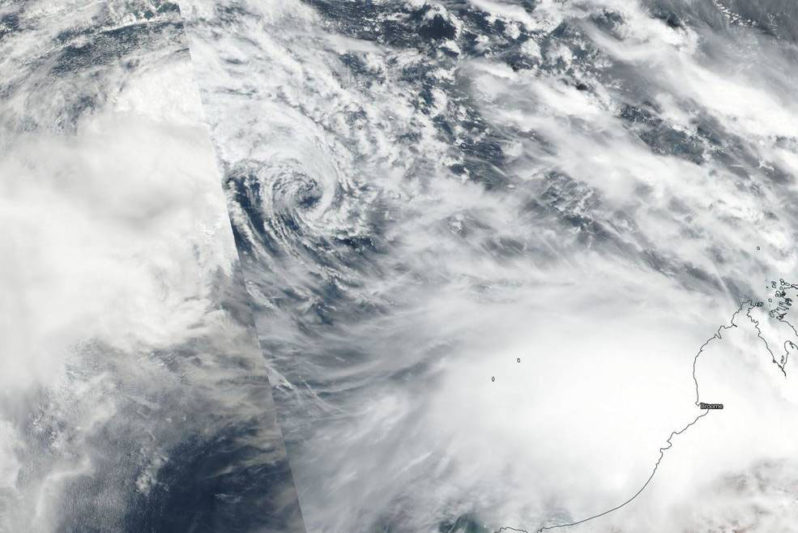
Tropical Cyclone Yvette, the first to hit Australia this season, is currently building strength in the Indian Ocean 700km northwest of Karratha, Western Australia, and is due to make landfall over the Christmas weekend.

North Pole temperatures climb near melting point this Christmas week
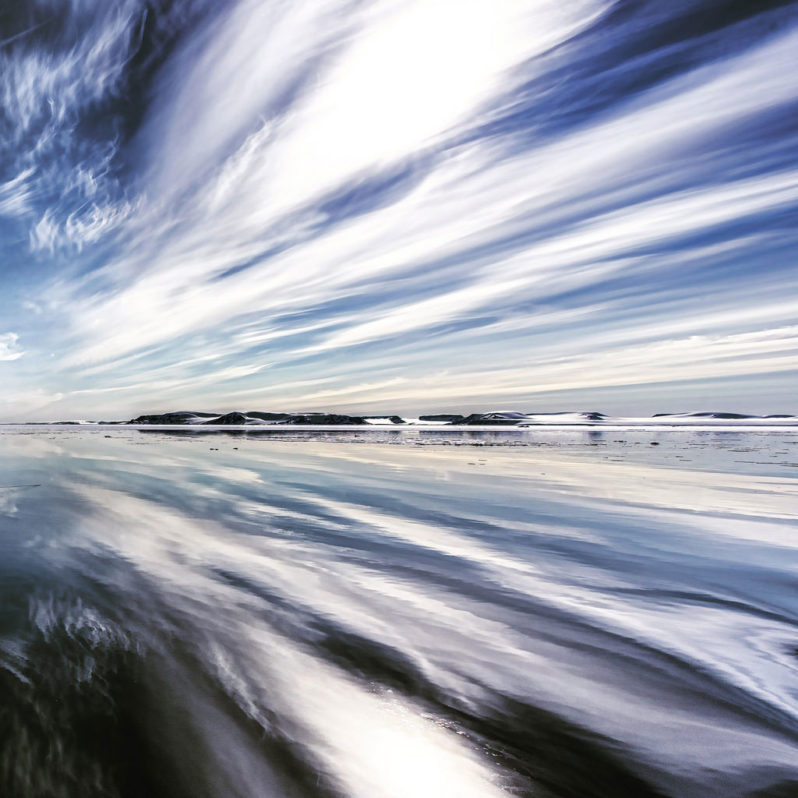
Temperatures around the North Pole will almost certainly pass the melting point, 32 degrees Fahrenheit, in the days leading up to Christmas, as global warming wreaks havoc on some of the world’s coldest and iciest areas, scientists say.

  • Home | News
  • FAQ
  • Privacy Policy
  • Legal Notice
  • Archived Menu
  • Contact
  • Home | News
  • FAQ
  • Privacy Policy
  • Legal Notice
  • Archived Menu
  • Contact
Instagram Facebook Twitter

© 2010 – 2024 CoastalCare.org