
Skip to content
  • Home | News
  • Coastal Issues
    • Sand Mining
    • Pollution
      • Plastic
      • Hydrocarbon, Waste Water and Run-off
      • Trash
    • Shoreline Erosion | Coastal Armoring + Engineering
    • Dams, Sand Supply, and Habitat Recovery
    • Beach Nourishment + Maintenance
    • Problematic Coastal Development
    • Habitats | Ecosystem Disturbance
    • Climate Change | Sea Level Rise | Ocean Acidification
    • Coastal Management | Adaptation | Policy
    • Coastal Storms | Extreme Weather
  • Beach Basics
    • Reading a Beach
    • Waves
    • Exploring Beach Sand
    • Tides
    • Cyclones | Typhoons | Hurricanes
    • Sand Dunes
    • Coral Reefs
    • Seashells
  • Coastal Care JR
  • Art + Science
  • Resources
    • Book Reviews
    • Beach Science Bibliography
    • Useful Links
  • Ask an Expert
  • About
  • Contact
  • Home | News
  • Coastal Issues
    • Sand Mining
    • Pollution
      • Plastic
      • Hydrocarbon, Waste Water and Run-off
      • Trash
    • Shoreline Erosion | Coastal Armoring + Engineering
    • Dams, Sand Supply, and Habitat Recovery
    • Beach Nourishment + Maintenance
    • Problematic Coastal Development
    • Habitats | Ecosystem Disturbance
    • Climate Change | Sea Level Rise | Ocean Acidification
    • Coastal Management | Adaptation | Policy
    • Coastal Storms | Extreme Weather
  • Beach Basics
    • Reading a Beach
    • Waves
    • Exploring Beach Sand
    • Tides
    • Cyclones | Typhoons | Hurricanes
    • Sand Dunes
    • Coral Reefs
    • Seashells
  • Coastal Care JR
  • Art + Science
  • Resources
    • Book Reviews
    • Beach Science Bibliography
    • Useful Links
  • Ask an Expert
  • About
  • Contact

Day: July 20, 2020

Civil war didn’t hurt this Sri Lankan mangrove forest, but shrimp farming might
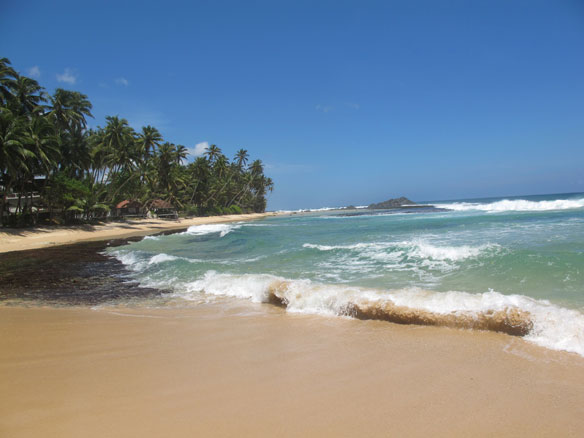
More than a decade after the end of the civil war, the ecology of the picturesque nature reserve on Vidattaltivu coastal belt in Sri Lanka’s north, is under threat: there are plans to set up a shrimp aquaculture park here, which environmentalists have blasted as “environmental suicide…”

Most polar bears to disappear by 2100, study predicts
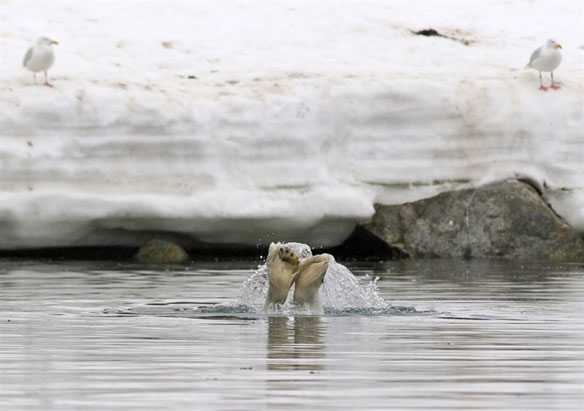
Melting Arctic sea ice could cause starvation and reproductive failure for many as early as 2040, scientists warn.

  • Home | News
  • FAQ
  • Privacy Policy
  • Legal Notice
  • Archived Menu
  • Contact
  • Home | News
  • FAQ
  • Privacy Policy
  • Legal Notice
  • Archived Menu
  • Contact
Instagram Facebook Twitter

© 2010 – 2024 CoastalCare.org