
How Can Nature Protect People Against Sea-Level Rise? – Frontiers for Young Minds
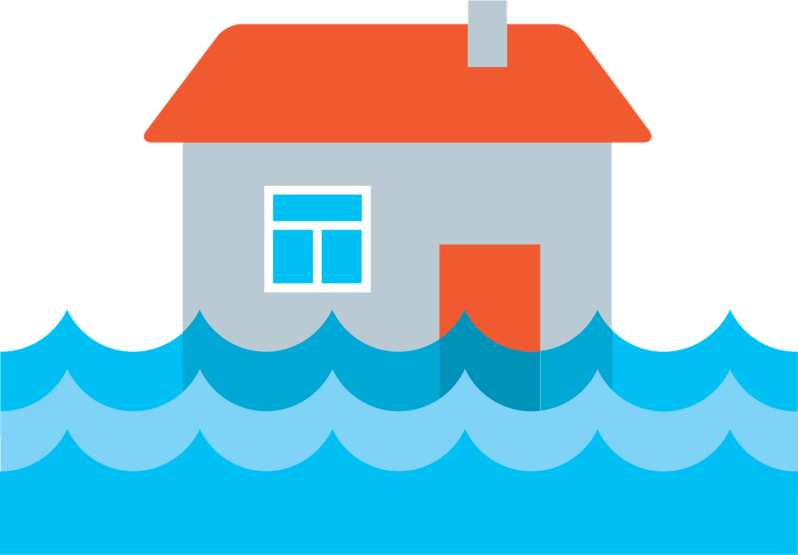
Now that Earth’s climate is changing, sea-level rise and storms are becoming more intense and frequent, which increases the risk of flooding. Therefore, we need to develop bigger flood-defense structures to stay safe from flooding. However, this is very expensive. Is there an alternative? It may sound surprising, but nature can help us out…
Rising Sea Levels Will Isolate People Long Before They’re Underwater – Hakai Magazine
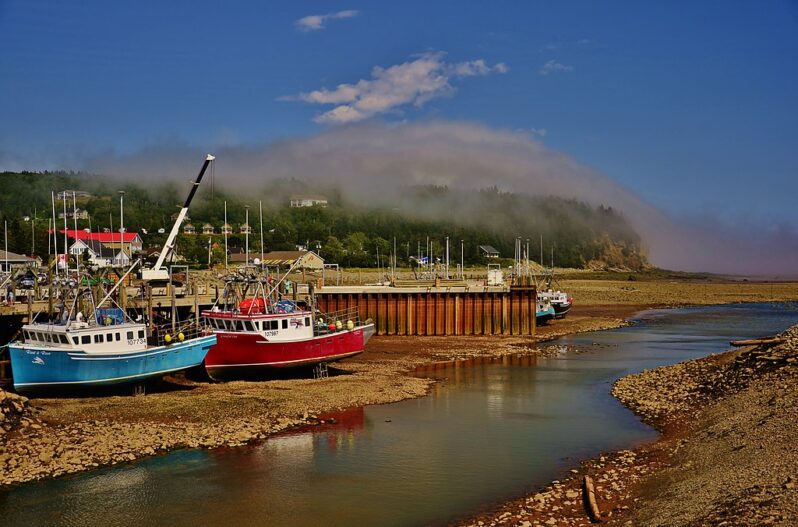
Time and tide wait for no man. Neither does sea level rise. The Chignecto Isthmus—the low marshy strip connecting New Brunswick and Nova Scotia—may be one of the most vulnerable places in Canada to sea level rise. At just 21 kilometers wide, the interprovincial land bridge is battered on its southwestern flank by the famously extreme tides in the Bay of Fundy. Protected by a network of earthen dikes first constructed in the 1600s, “the tops of the dikes are only a little higher than the spring high tides,” says Jeff Ollerhead, a coastal geomorphologist…“If we have a big storm,” he says, “water will go over the dikes.”
Recycled plastic can be more toxic and is no fix for pollution, Greenpeace warns – the Guardian
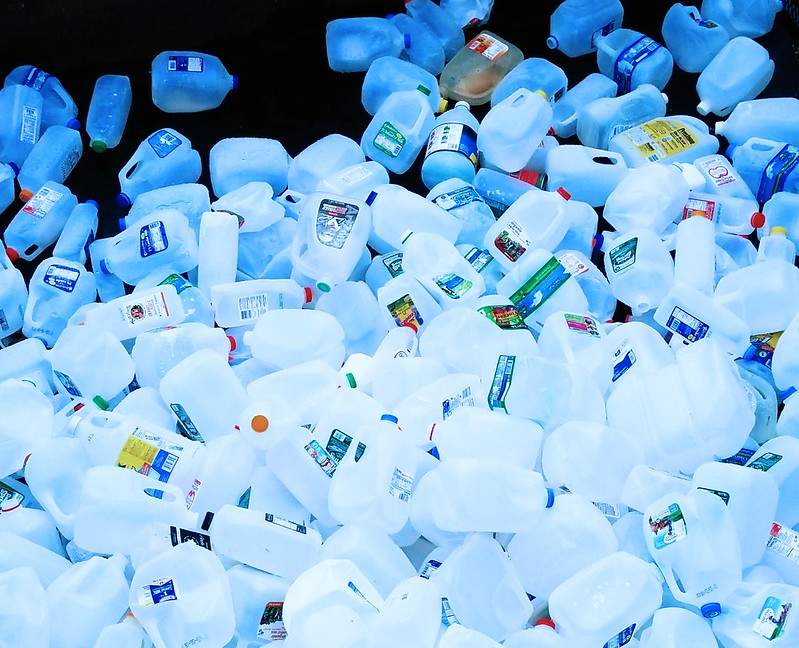
“Plastics are inherently incompatible with a circular economy,” the global environmental network said in a report that brings together research showing recycled plastics are more toxic than their virgin constituents.
The report, timed to coincide with the beginning of fresh talks for a potential global plastics treaty, comes as separate research has found breaking down plastics for recycling scatters microplastic pollution into the environment…