
There Might Be Less Plastic in the Sea Than We Thought. But Read On – the New York Times
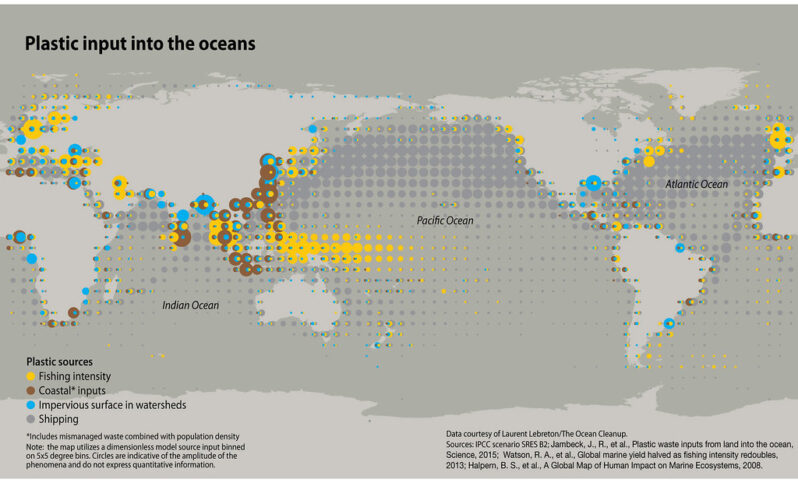
There’s less plastic pollution flowing into the ocean from land than scientists previously thought, according to a study published Monday in the journal Nature Geoscience.
The researchers estimated that about 500,000 metric tons of plastic end up in the ocean each year, with about half from land. The other half comes from the fishing industry in the form of nets, ropes, buoys and other equipment…
Northern Manhattan Wetland Faced with Climate-Change-Induced Erosion is Reimagined – Inside Climate News
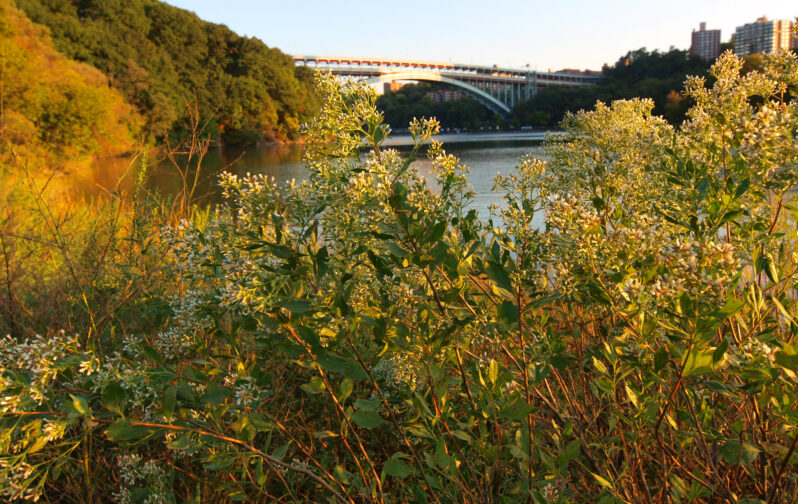
When the New York Restoration Project first started working in the late 1990s to clean the unnamed shoreline along the Harlem River in northern Manhattan, the intertidal mudflat and wetlands weren’t just a neglected area, but a former illegal dumping ground. How the cove, the largest wetland left in Manhattan, has become a bountiful greenspace where migrating birds, crabs, tadpoles and toads are all thriving, despite the existential threat posed by climate change in shoreline communities, is a story of robust community involvement and skillful coastline management…