
Can the tourism industry survive the climate crisis? – the Guardian
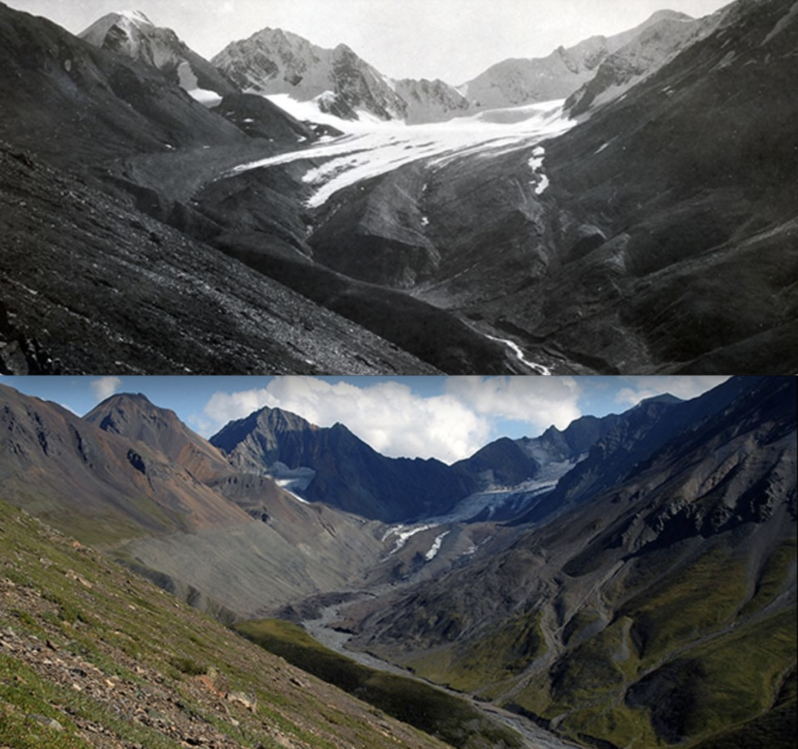
From the Solomon Islands to Denali national park, how five communities reliant on tourism are coping as climate change upends their industry…One of the terrible ironies of the climate crisis is that some of the most beautiful – and popular – places in the world are also the most vulnerable. Which means as temperatures rise, extreme weather events increase, water sources dry up and natural habitats die, these places are facing another devastating loss: tourists…
The Unsustainable Harvest of Coastal Sands – Science
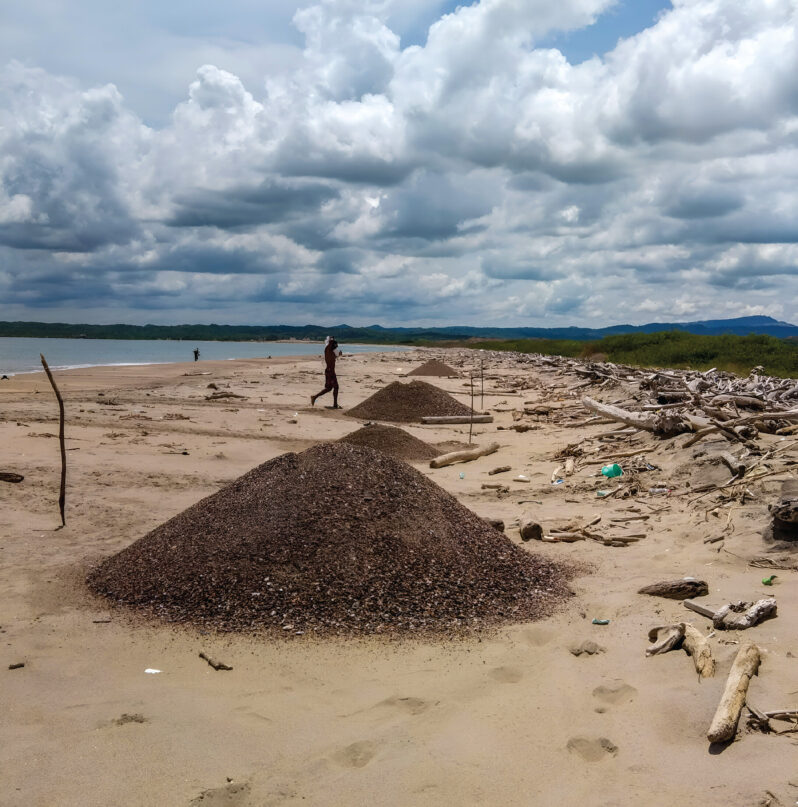
Although coasts form a crucial part of the natural wealth of the planet, their conservation is increasingly jeopardized owing to the growing human footprint. With 50% of the world’s population living within 150 km of a coastline, increasing urbanization and population pressures are threatening these fragile ecosystems…