
Skip to content
  • Home | News
  • Coastal Issues
    • Sand Mining
    • Pollution
      • Plastic
      • Hydrocarbon, Waste Water and Run-off
      • Trash
    • Shoreline Erosion | Coastal Armoring + Engineering
    • Dams, Sand Supply, and Habitat Recovery
    • Beach Nourishment + Maintenance
    • Problematic Coastal Development
    • Habitats | Ecosystem Disturbance
    • Climate Change | Sea Level Rise | Ocean Acidification
    • Coastal Management | Adaptation | Policy
    • Coastal Storms | Extreme Weather
  • Beach Basics
    • Reading a Beach
    • Waves
    • Exploring Beach Sand
    • Tides
    • Cyclones | Typhoons | Hurricanes
    • Sand Dunes
    • Coral Reefs
    • Seashells
  • Coastal Care JR
  • Art + Science
  • Resources
    • Book Reviews
    • Beach Science Bibliography
    • Useful Links
  • Ask an Expert
  • About
  • Contact
  • Home | News
  • Coastal Issues
    • Sand Mining
    • Pollution
      • Plastic
      • Hydrocarbon, Waste Water and Run-off
      • Trash
    • Shoreline Erosion | Coastal Armoring + Engineering
    • Dams, Sand Supply, and Habitat Recovery
    • Beach Nourishment + Maintenance
    • Problematic Coastal Development
    • Habitats | Ecosystem Disturbance
    • Climate Change | Sea Level Rise | Ocean Acidification
    • Coastal Management | Adaptation | Policy
    • Coastal Storms | Extreme Weather
  • Beach Basics
    • Reading a Beach
    • Waves
    • Exploring Beach Sand
    • Tides
    • Cyclones | Typhoons | Hurricanes
    • Sand Dunes
    • Coral Reefs
    • Seashells
  • Coastal Care JR
  • Art + Science
  • Resources
    • Book Reviews
    • Beach Science Bibliography
    • Useful Links
  • Ask an Expert
  • About
  • Contact

Day: January 30, 2025

What’s the deal with microplastics, the material that ‘never goes away’? – SCOPE – Stanford Medicine
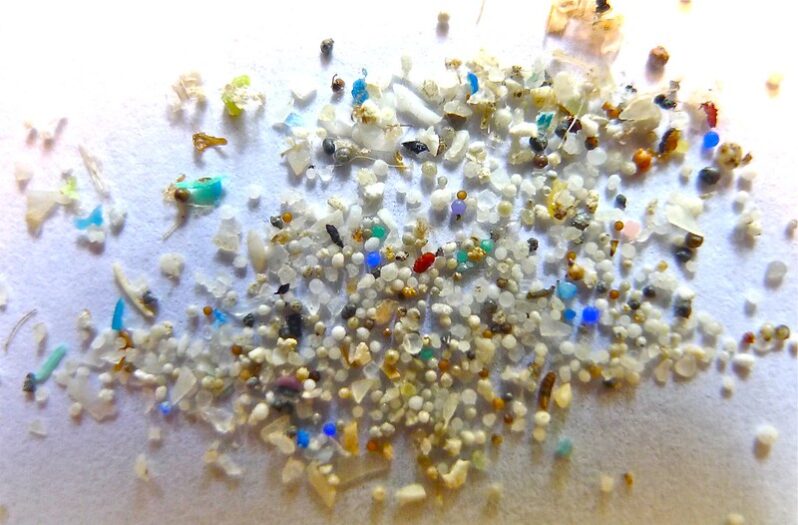
Microplastic (Image by 5Gyres, courtesy of Oregon State University CC BY-SA 2.0 via Flickr).

They’re in the water we drink, the food we eat, the clothes we wear and the air we breathe. They’ve pervaded every ecosystem in the world, from coral reefs to Antarctic ice. And they’ve infiltrated the human body, lodging themselves in everything from brain tissue to reproductive organs…

L.A. fires wreaked havoc on the land. Scientists are racing to learn what they’ve done to the sea – the Los Angeles Times
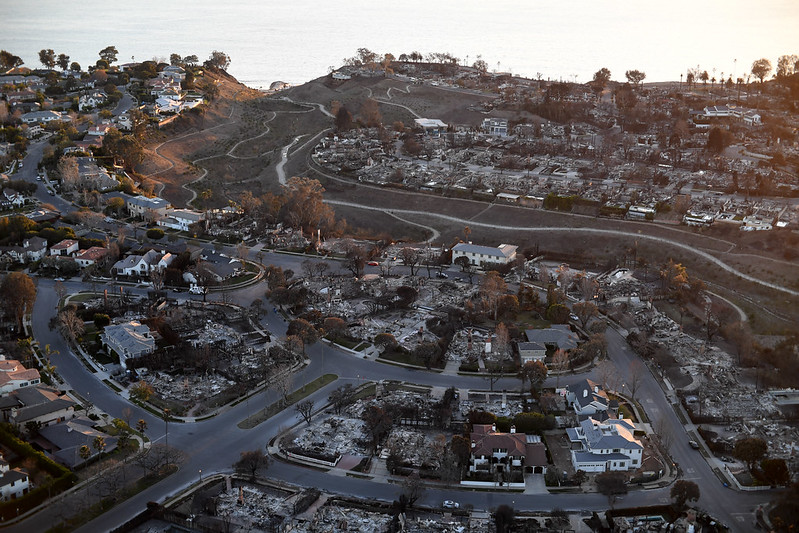
Evening light falls across homes and neighborhoods devastated by the Palisades Fire in areas near Pacific Palisades, California, Jan. 14, 2025 (by Sgt.1st Class Jon Soucy courtesy of The National Guard CC BY 2.0 via Flickr).

The charred and toxic remnants of thousands of destroyed homes, businesses, cars and electronics will eventually come to rest in the ocean.
Ash from the fires has been detected 100 miles offshore.
Public health officials have urged people to avoid several miles of beaches as recent rains wash contaminants into the sea.

  • Home | News
  • FAQ
  • Privacy Policy
  • Legal Notice
  • Archived Menu
  • Contact
  • Home | News
  • FAQ
  • Privacy Policy
  • Legal Notice
  • Archived Menu
  • Contact
Instagram Facebook Twitter

© 2010 – 2024 CoastalCare.org