
Two vital buffers against climate change are just offshore
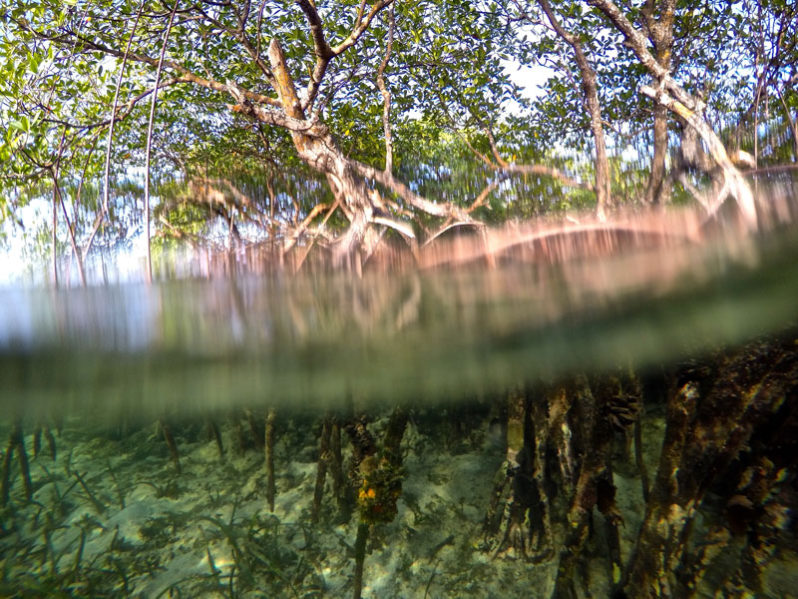
A new study finds that about 31 million people worldwide live in coastal regions that are “highly vulnerable” to future tropical storms and sea-level rise driven by climate change. In some of those regions, however, powerful defenses are located just offshore.
Antarctic ice sheets capable of retreating up to 50 meters per day
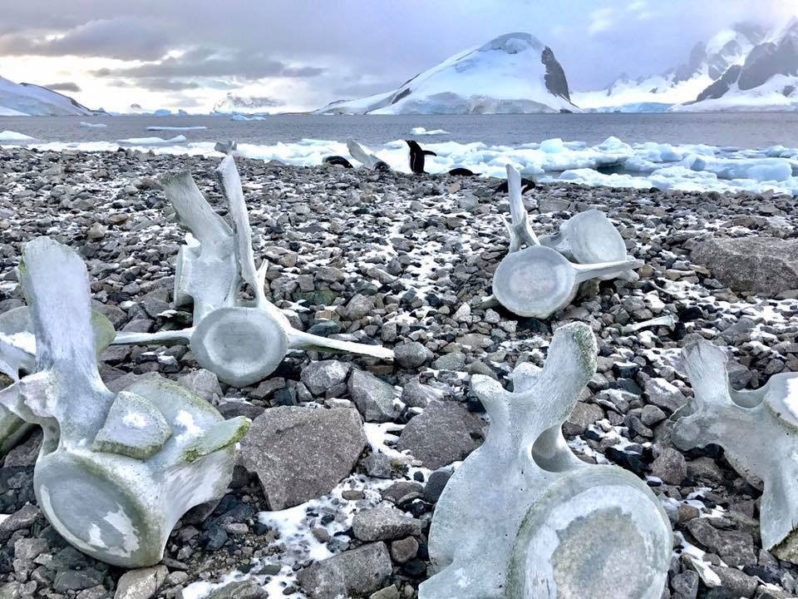
The ice shelves surrounding the Antarctic coastline retreated at speeds of up to 50 meters per day at the end of the last Ice Age, far more rapid than the satellite-derived retreat rates observed today, new research has found.
Climate concerns as Siberia experiences record-breaking heat
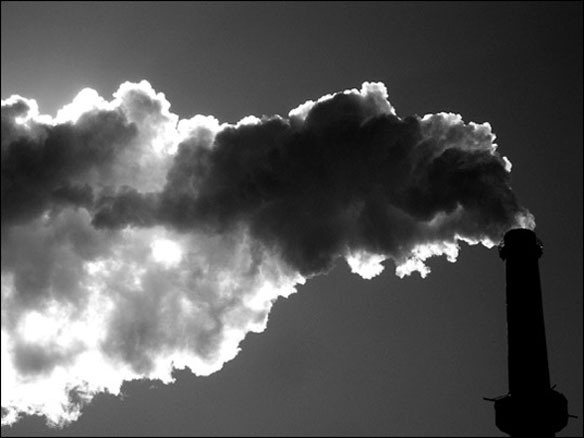
One of the coldest regions on earth has been experiencing a record-breaking heat wave in recent weeks amid growing fears about devastating wildfires and melting permafrost.
Long-term data show hurricanes are getting stronger
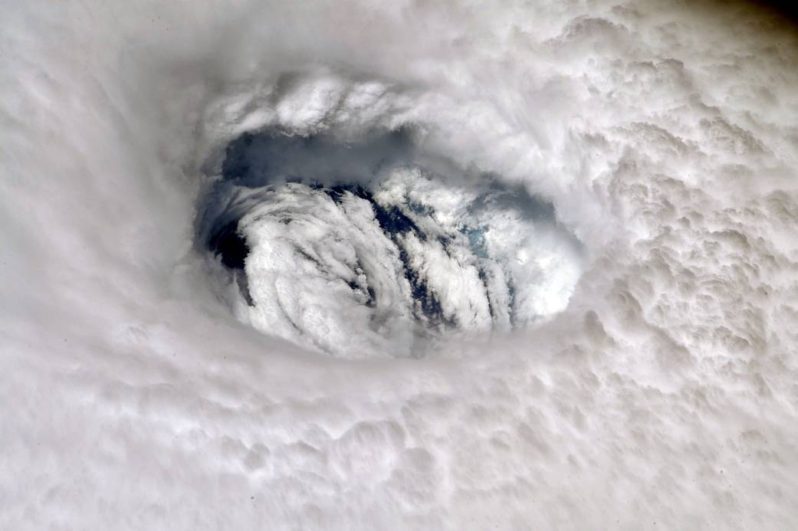
In almost every region of the world where hurricanes form, their maximum sustained winds are getting stronger. That is according to a new study involving an analysis of nearly 40 years of hurricane satellite imagery.
Will floating turbines usher in a new wave of offshore wind?
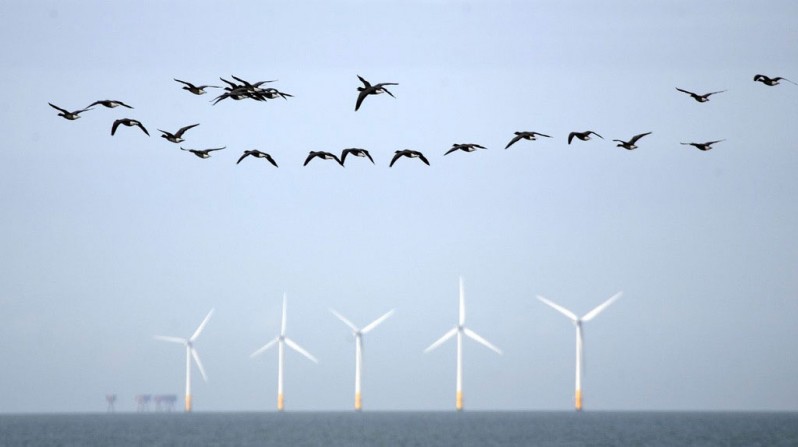
As locations for wind energy fill up onshore and near-shore, companies are deploying floating turbines that can be sited in deep waters, out of view from the coast. Proponents contend the new technology could boost the wind industry, but daunting challenges, including costs, remain.
Connecting coastal processes with global systems
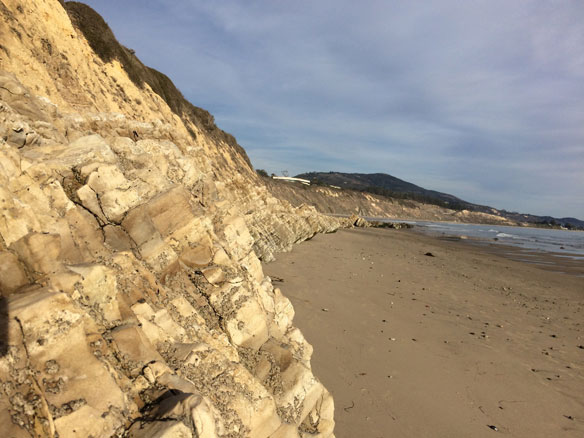
We live, work, and play at the coast. About 40 percent of the world’s population currently lives near the coast. By 2100, more than twice as many people could live in areas susceptible to flooding, given sea level rise, urban growth, and high carbon dioxide emission scenarios.
The Great Lakes are higher than they’ve ever been, and we’re not sure what will happen next

Lakeside living comes with a new premium: flooding and lots of uncertainty.
Trump dismantles environmental protections under cover of coronavirus

The Trump administration is diligently weakening US environment protections even amid a global pandemic, continuing its rollback against the environment, as the November election approaches.
Potentially fatal combinations of humidity and heat are emerging across the globe
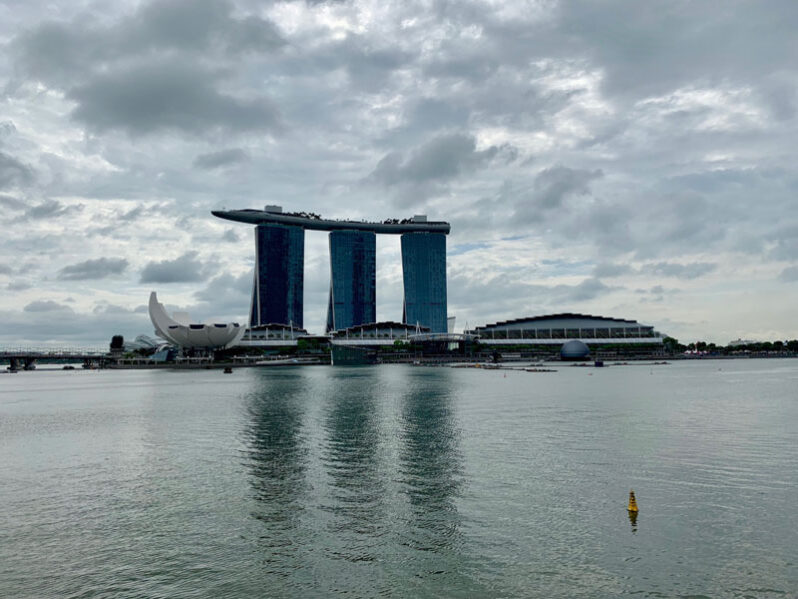
Analyzing data from weather stations from 1979 to 2017, scientists found that extreme heat/humidity combinations doubled, and not surprisingly, incidents tended to cluster on coastlines along confined seas, gulfs and straits, where evaporating seawater provides abundant moisture to be sucked up by hot air.