
10 years later, see how Superstorm Sandy changed the Northeast – National Geographic
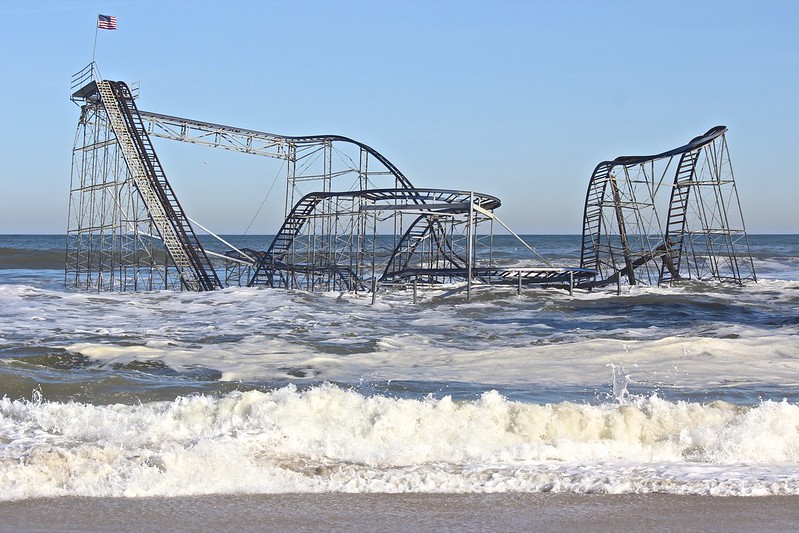
“When Sandy hit, New York City had zero coastal protections,” says Daniel Zarrilli, special advisor for climate and sustainability at Columbia University…”I credit Sandy as that pivotal moment that not only launched billions of dollars of resilience investments across the city…It also provided the spark for a whole range of other climate policies…”
Paleotsunami Detectives Hunt for Ancient Disasters – Hakai Magazine
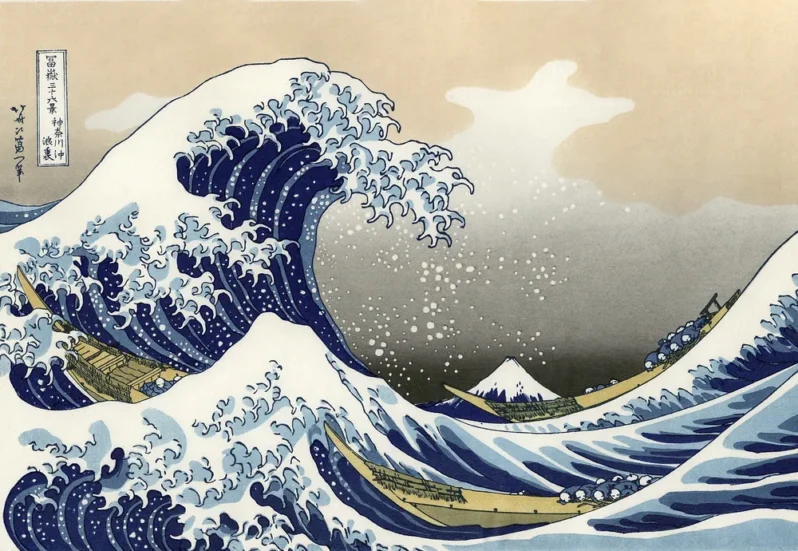
Gigantic tsunamis have been decimating coastlines since time immemorial. We ignore these prehistoric warnings at our own peril.
A boulder weighing more than 40 tonnes sits on the sand high above the ocean. Dwarfing every other rock in view, it is conspicuously out of place. The answer to how this massive outlier got here lies not in the vast expanse of the Atacama Desert behind it but in the Pacific Ocean below…
No debate anymore: Climate change makes extreme weather worse, federal scientists say – WUSF Public Media
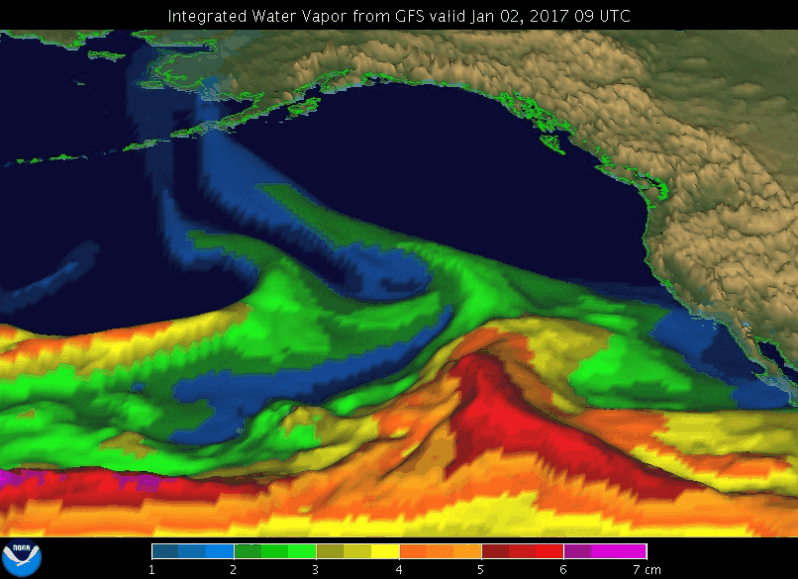
Scientists at the U.S. National Oceanic and Atmospheric Administration (NOAA) delivered a clear message: Climate change is — unequivocally — making extreme weather events worse.
South Florida has always been hot, rainy and vulnerable to hurricanes. So it’s understandable that some longtime residents remain skeptical that climate change is doing anything to make the region’s age-old problems any worse…
On the Coast: Before and After the Parade of Atmospheric Rivers – Planet Snapshots issue 59 via Medium
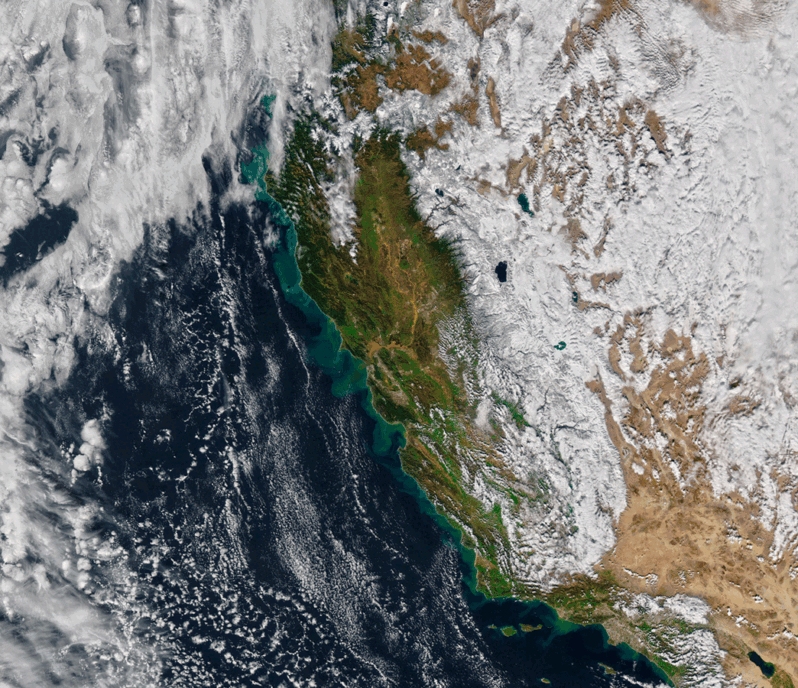
California is left drenched, flooded, and perhaps a little hopeful after recurring atmospheric rivers pummeled the state for 2 weeks straight. The rains are a small reprieve for the area’s years-long drought. But the sheer volume of rainfall was much more than the parched landscape could handle. With a turn of the faucet, the state went from too dry to too wet in what’s called a “weather whiplash,” transforming the Golden State to shades of brown…
How Do California’s Storms Weigh In Compared With History’s Big Ones? – the New York Times
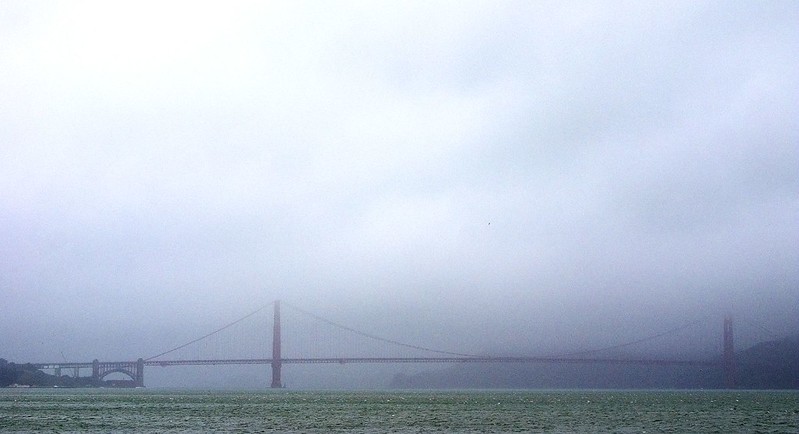
The storms that have walloped California in fierce waves since last month have left many communities cleaning up and digging out from flooding and landslides. By one metric, though, the state has seen much worse…
Global Weather Patterns and Coastlines
Coasts are sensitive to sea level rise, changes in the frequency and intensity of storms, increases in precipitation, and warmer ocean temperatures. In addition, rising atmospheric concentrations of carbon dioxide (CO2) are causing the oceans to absorb more of the gas and become more acidic. This rising acidity can have significant impacts on coastal and marine ecosystems.
The impacts of climate change are likely to worsen problems that coastal areas already face. Confronting existing challenges that affect man-made infrastructure and coastal ecosystems, such as shoreline erosion, coastal flooding, and water pollution, is already a concern in many areas. Addressing the additional stress of climate change may require new approaches to managing land, water, waste, and ecosystems…
Bay Area rainfall totals are in after atmospheric rivers flooded California – KRON4
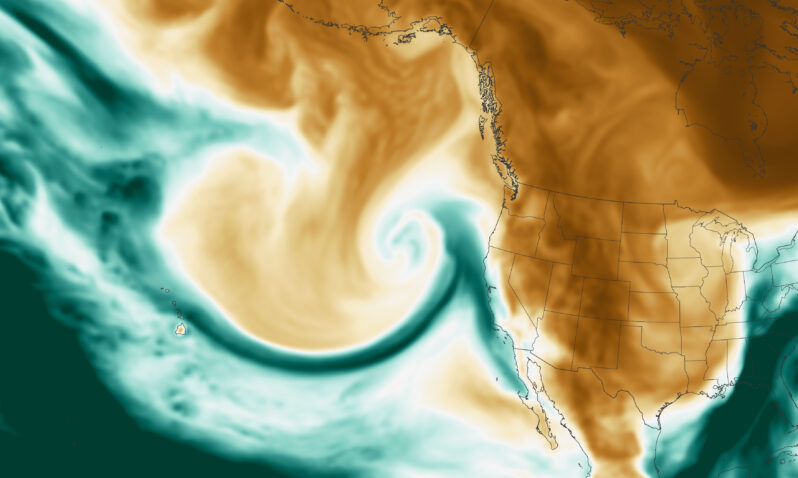
SAN FRANCISCO (KRON) — Blue skies and sunshine have returned to the Bay Area after nine atmospheric rivers rolled through. Between Dec 26, 2022 and January 17, 2023, weeks of storms left flooding and feet of snow behind, but just how much precipitation did we get? Tons, according to the National Weather Service…
‘Inside we are all struggling’: storm-bruised California begins recovery – the Guardian
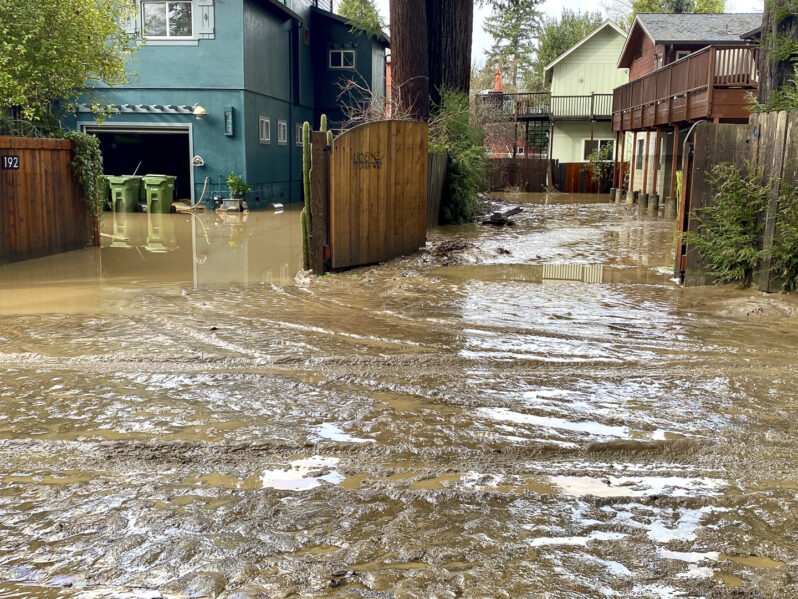
From hillside towns like Felton to the picturesque coastal enclave of Capitola, the long road to recovery from disaster is only beginning. The county was declared a major disaster zone by Joe Biden, who visited Capitola on Thursday to survey the damage and said it would “take years to rebuild”…
Atmospheric rivers hitting California will become even more intense. Here’s how they work – the San Francisco Chronicle
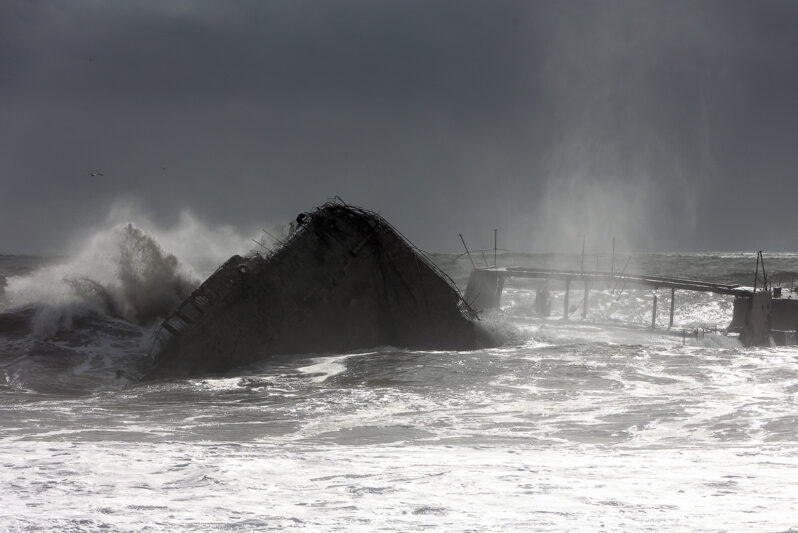
The same weather that replenishes California water supplies could bring the next megaflood.
A procession of storms is drenching Northern California this week, with rainfall already topping 2 inches in San Francisco and surpassing 8 inches in the Santa Cruz Mountains. More precipitation is on tap through the weekend, prompting concerns of widespread urban flooding and potential landslides…