
Acidic oceans cause fish to lose their sense of smell
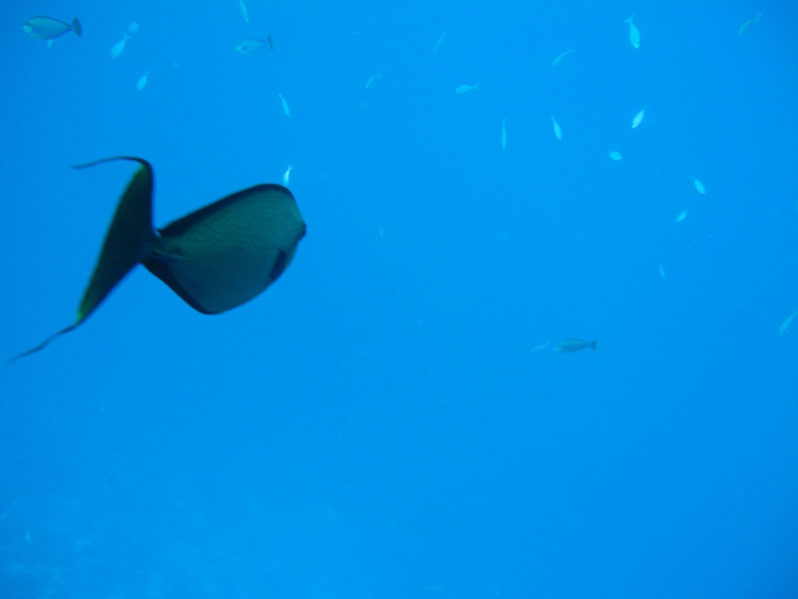
Fish are losing their sense of smell because of increasingly acidic oceans caused by rising levels of carbon dioxide (CO2) in the atmosphere, new research shows.
Coastal homes could see flood insurance premium going up again, and that’s only the beginning
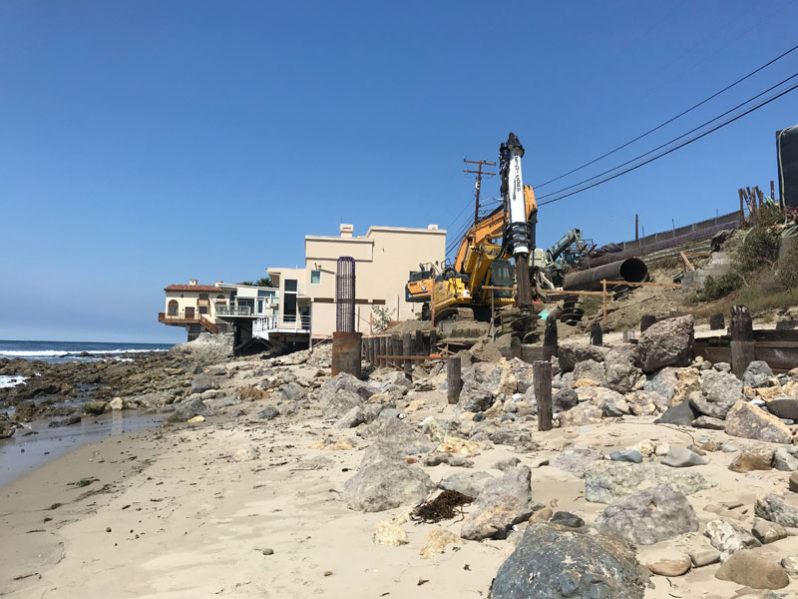
FEMA is looking into switching to risk-based pricing in 2020, which would end the subsidies most coastal communities enjoy on their flood insurance premiums and show the true dollar cost of living in areas repeatedly pounded by hurricanes and drenched with floods.
See wave of garbage off the Dominican Republic
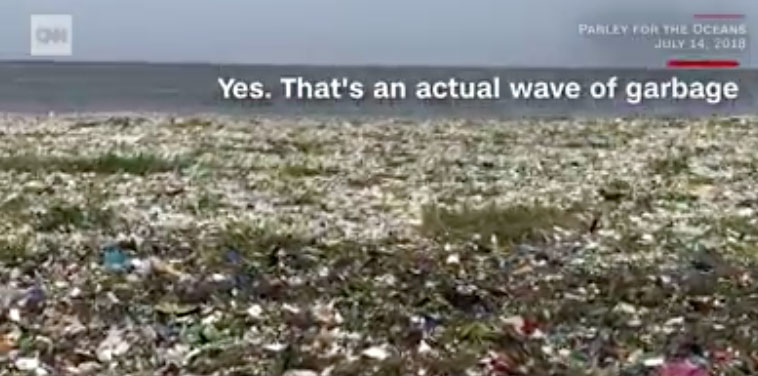
A video taken by “Parley for the Oceans” on July 14 shows a “dense garbage carpet” covering the water in Santo Domingo.
Starbucks is banning straws – but is it really a big win for the environment?
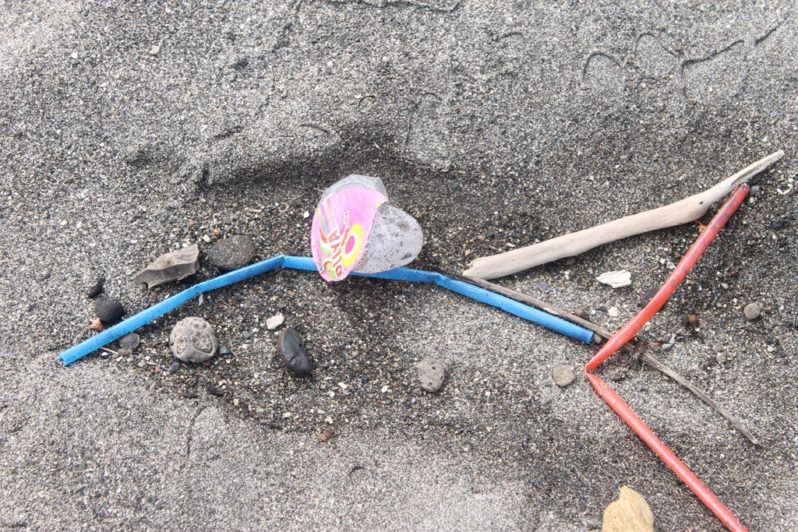
The coffee giant has announced that it is phasing out straws. But are the new lids it’s introducing actually any better?
Evaluating the Impact of Beach Nourishment on Surfing: Surf City, Long Beach Island, New Jersey, U.S.A.
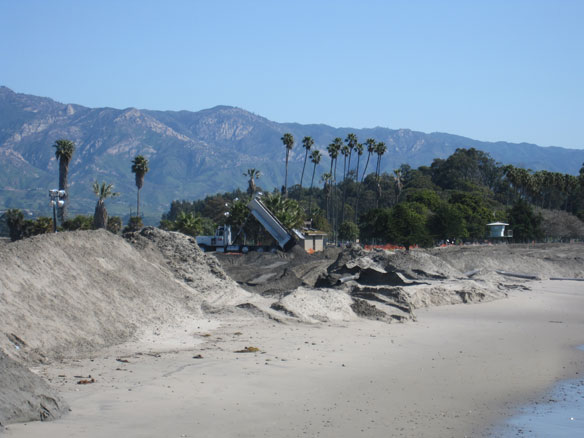
In this study, the effect of the construction of a conventional beach nourishment project in Surf City, New Jersey, on the quality of the local surf break is examined in detail.
Blue Economy Movement Gains Traction in Africa
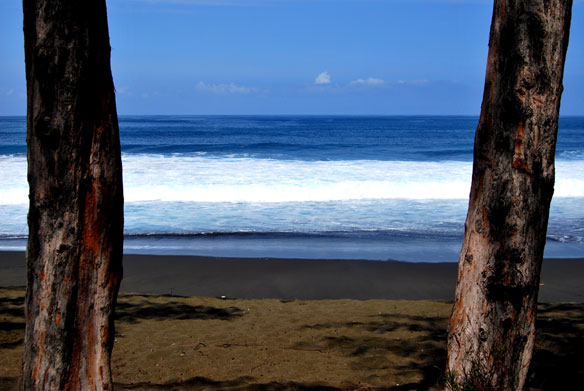
Ahead of the upcoming Sustainable Blue Economy Conference, that will be co-host by Kenya and Canada this November, economic experts are optimistic that the Blue Economy movement – which is about sustainable exploitation of oceans, seas, rivers and lakes – is gaining traction.
A running list of how Trump is changing the environment
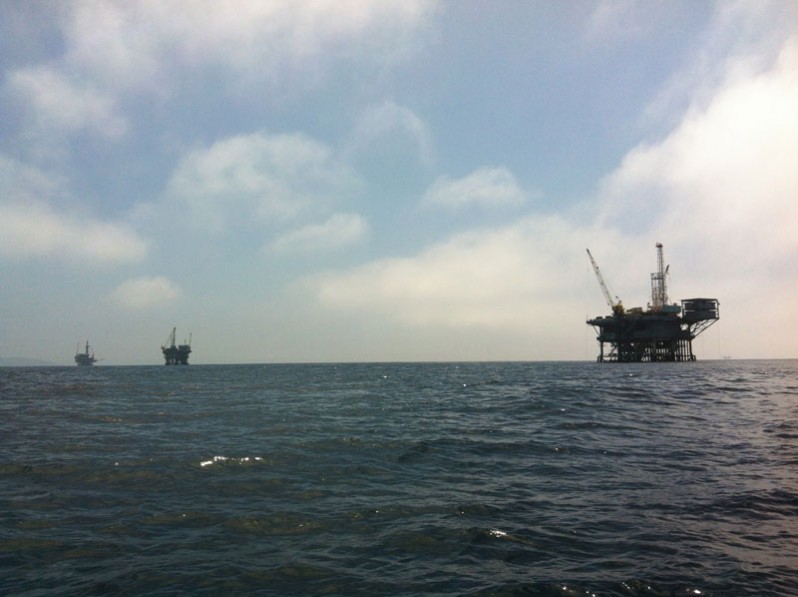
The Trump administration’s tumultuous presidency has brought a flurry of changes—both realized and anticipated—to U.S. environmental policy. Many of the actions roll back Obama-era policies that aimed to curb climate change and limit environmental pollution, while others threaten to limit federal funding for science and the environment.
Deep-diving scientists say shallow reefs can’t rely on twilight zone systems for recovery
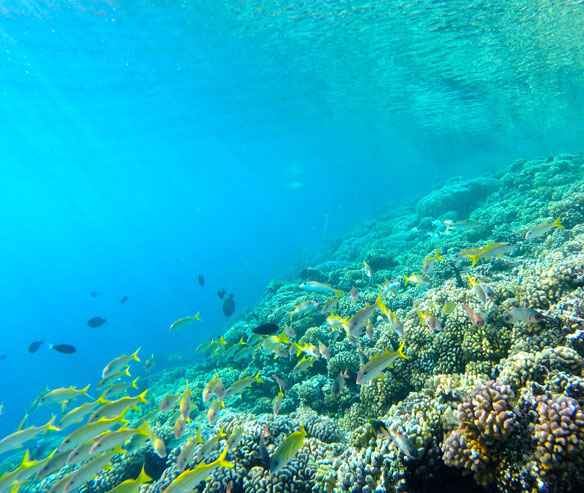
A team of highly trained scientific divers explored Pacific and western Atlantic reefs to test a widely held hypothesis that climate-stressed life from shallow reefs can take refuge at mesophotic depths.The results are clear: deep and shallow reefs are different systems with their own species, and deep reefs are just as threatened by climate impacts, storms, and pollution.
Surrendering to rising seas
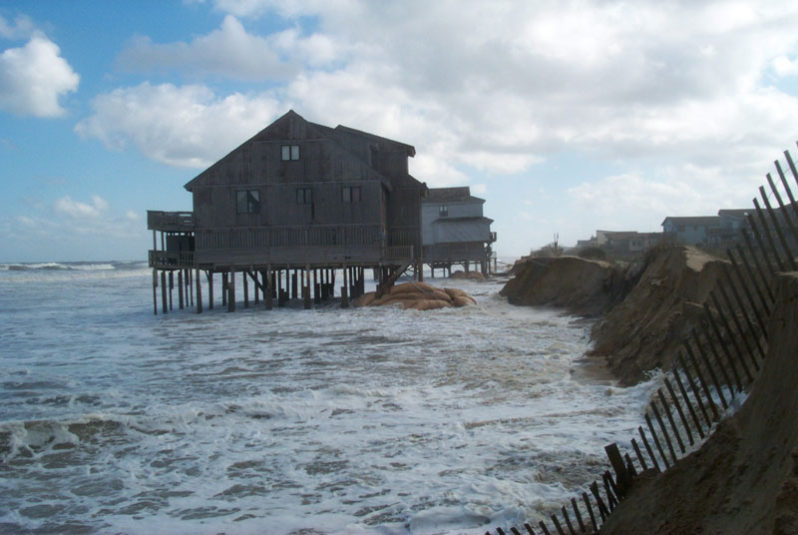
Coastal communities struggling to adapt to climate change are beginning to do what was once unthinkable: retreat