
Angry Greeks Take Back Public Beach Movement Grows, State Reacts – the National Herald

The spread of take back public beaches movement in rebellion against private interests blocking access and charging for renting sunbeds and umbrellas has spurred Greece’s government into promising violators would be punished.
The ruling New Democracy has, like previous governments, done little to prevent the takeover of public beaches that has proliferated, especially on islands, in a bid to lure more foreign tourists, enriching the companies using public lands…
Is this ‘age of the delta’ coming to an end? – Knowable Magazine
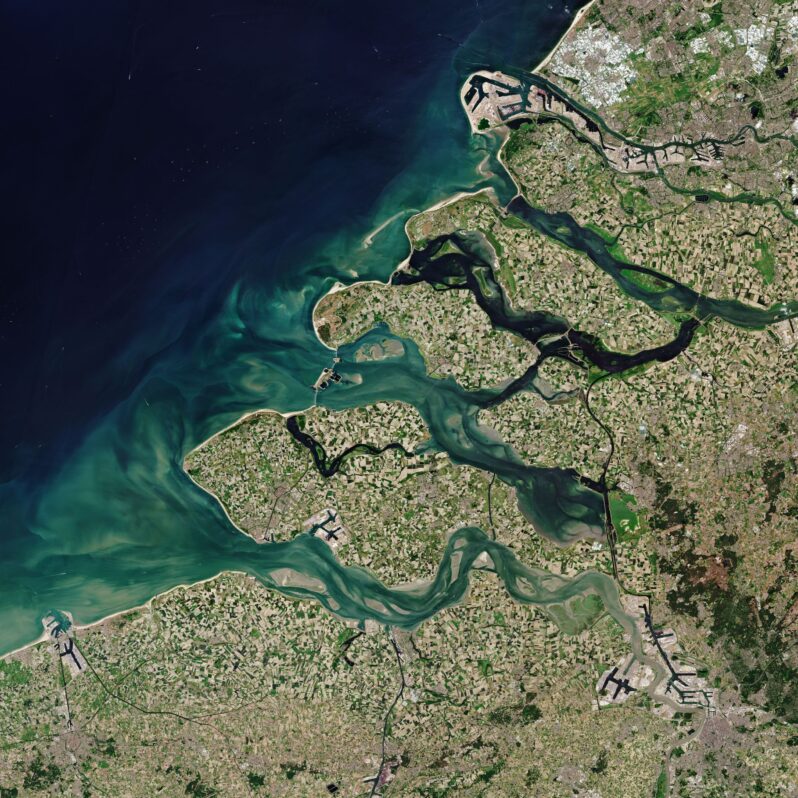
The land near the mouth of the Mississippi River is barely land at all. Muddy water forks into a labyrinth of pathways through a seemingly endless expanse of electric-green marsh grass, below skies thick with birds. Shrimp and crabs wriggle in the water below, and oak and cypress sprout from wet soils on higher grounds. Stretching for more than a hundred miles along the coast of Louisiana, this is one of the world’s largest, and most famous, river deltas…
Managed Retreat? Please, Not Yet – Hakai Magazine

Salt water is already seeping through gardens, under homes, and among the headstones on Serua Island, Fiji. As climate change rolls on, and as the sea level continues to rise, this low-lying island off the southern coast of Viti Levu, one of the country’s two largest islands, seems like an obvious candidate for relocation efforts—and its inhabitants the latest face of climate refugees. Fiji’s national government has offered its support to help the island’s 100 or so inhabitants move. Yet almost all are choosing to stay put…
Sorry, Honey, It’s Too Hot for Camp (Podcast) – Atlantic Radio

Summer is getting too hot and dangerous, killing the childhood of our imaginations.
A heat dome in Texas. Wildfire smoke polluting the air in the East and Midwest. The signs are everywhere that our children’s summers will look nothing like our own. In this episode, we talk with the climate writer Emma Pattee about how hot is too hot to go outside. The research is thin and the misconceptions are many—but experts are quickly looking into nuances of how and why children suffer in the heat, so we can prepare for a future that’s already here…
‘Get off my sand?’: Coastal homeowners sue over shoreline law, but state is prepared to fight – the Providence Journal
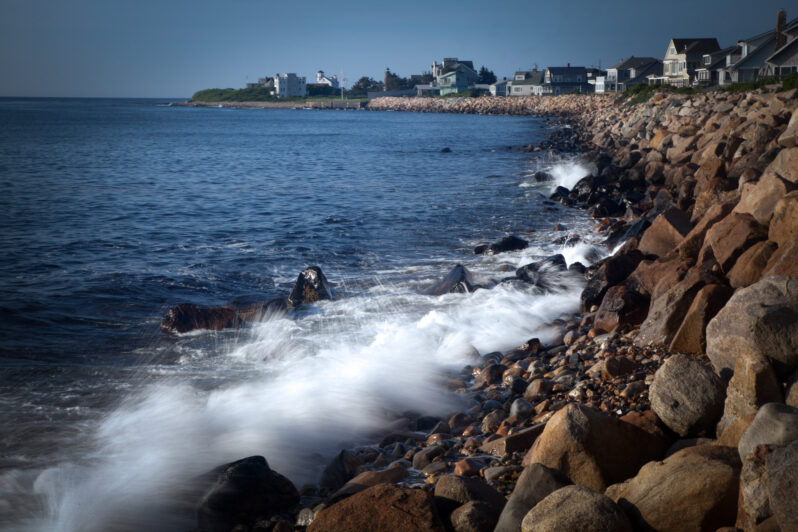
Coastal property owners have filed a federal lawsuit to overturn Rhode Island’s new shoreline-access law. The suit claims that the new legislation, which allows the public to use the shoreline up to 10 feet inland of the seaweed line, amounts to an unconstitutional taking under the Fifth Amendment. It comes as little surprise: Opponents of the new law, some whom are involved with the suit, had made clear that they intended to challenge it in court…
Opinion | Interactive: The Plan to Save New York From the Next Sandy Will Ruin the Waterfront. It Doesn’t Have To – the New York Times
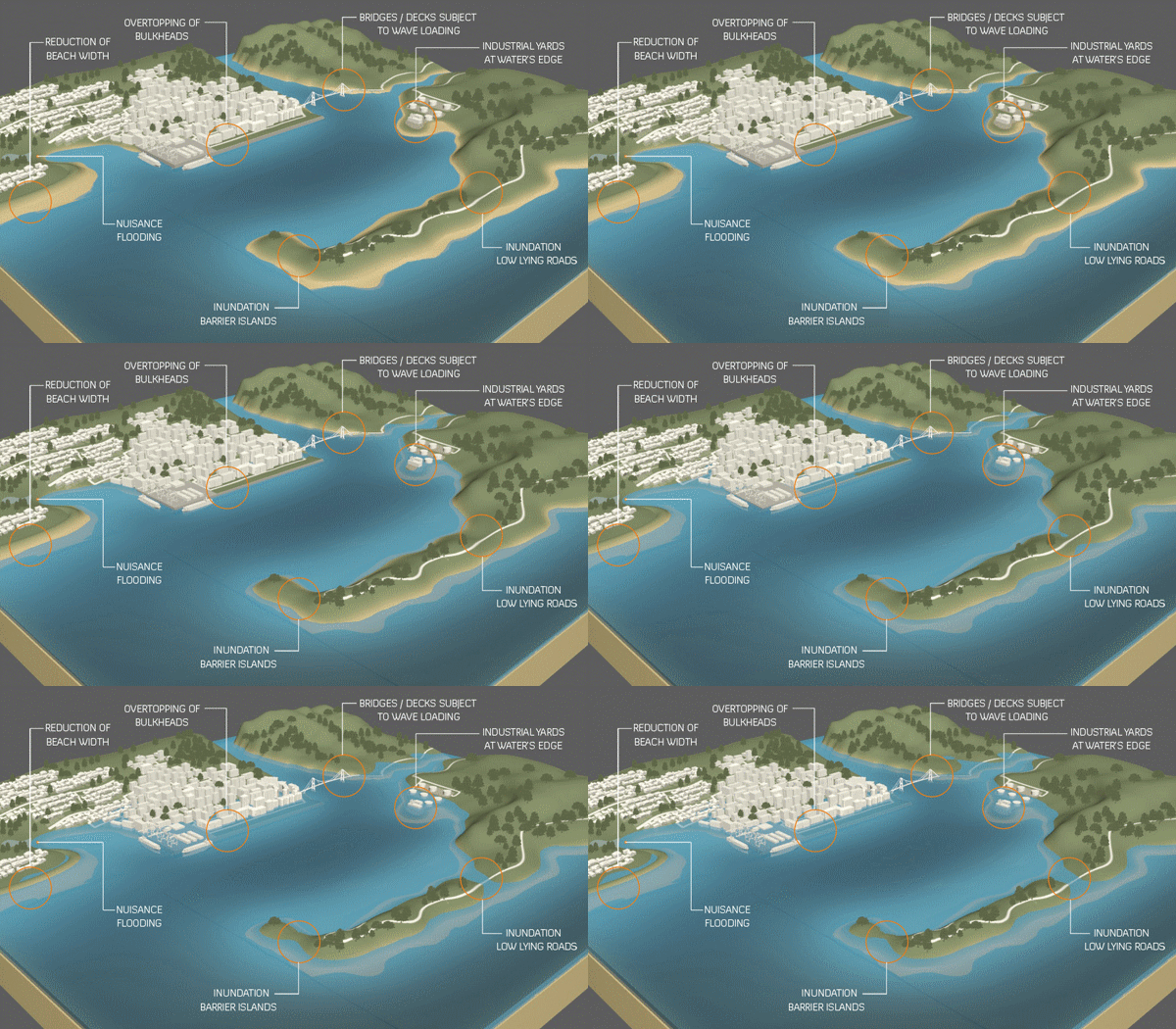
Last September, the U.S. Army Corps of Engineers unveiled its proposal to protect the greater New York and New Jersey metro area from the next catastrophic flood. It is an epic plan that includes dozens of miles of floodwalls, levees and berms along the shoreline and 12 storm surge barriers — arrays of movable gates — across entrances to waterways throughout the region.
The plan is estimated to cost a staggering $52.6 billion. It’s by far the most expensive project ever proposed by the Corps.
The trouble is that despite its great ambitions, the Corps’s plan demonstrates the shortcomings of relying on massive shoreline structures for flood protection…
Study says buyout of threatened Outer Banks homes would be cheaper than beach nourishment – Star News Online
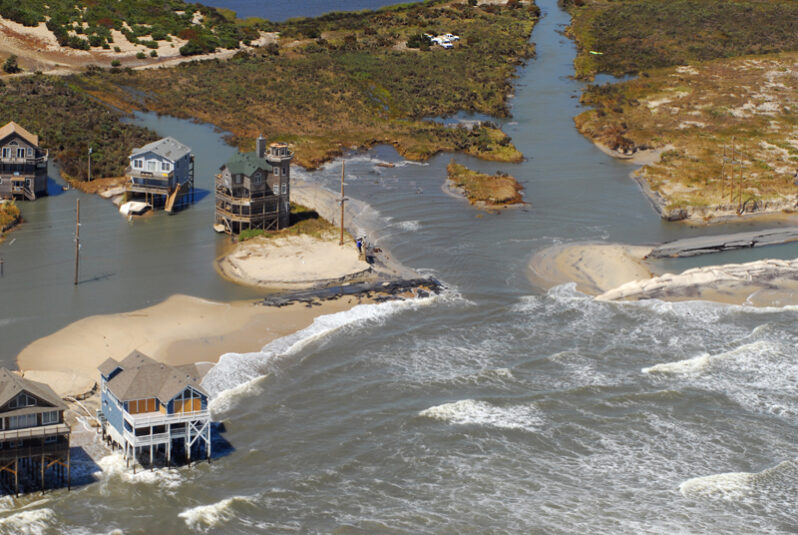
Along coastal North Carolina, engineering answers to threats from Mother Nature is a time-honored tradition to dealing with eroding beaches and threats from wandering inlets. But pumping sand isn’t cheap….Faced with a future of rising seas and stronger storms intensified by climate change, state and local officials are scrambling to keep up.(And) one option occupies a relatively rare seat at the table for discussion by local officials and residents: moving oceanfront structures out of harms way…
July 4, 2023: The Hottest Day in over 125,000 Years

“We have never seen anything like this before”
– Carlo Buontempo, director of Europe’s Copernicus Climate Change Service quoted in the Washington Post, 07-06-2023…
The world’s hottest day on record was Tuesday, scientists calculate – PBS News Hour
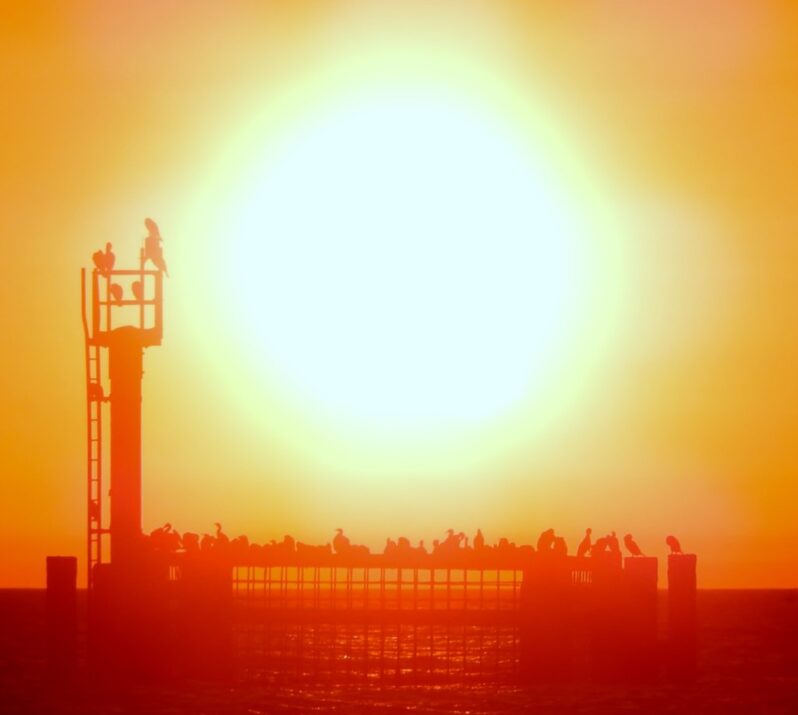
The entire planet sweltered to the unofficial hottest day in human recordkeeping July 3 and then blasted past that with an even hotter day on July 4, according to University of Maine scientists at the Climate Reanalyzer project…