
Estuaries are warming at twice the rate of oceans and atmosphere
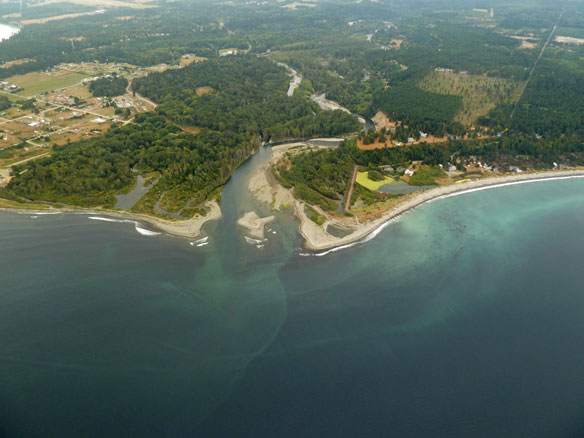
New research shows that estuaries are particularly vulnerable to a warming environment. This is a concern not only for the marine and bird life that rely on them but the millions of people who depend on rivers, lakes and lagoons for their livelihoods around the world.
Scientists have found oil from the Deepwater Horizon blowout in fishes’ livers and on the deep ocean floor
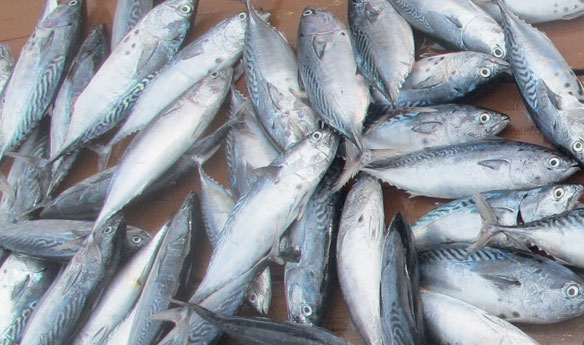
Over the decade since the Deepwater Horizon spill, thousands of scientists have analyzed its impact on the Gulf of Mexico. The spill affected many different parts of the Gulf, from coastal marshes to the deep sea.
Offshore oil and gas platforms release more methane than previously estimated
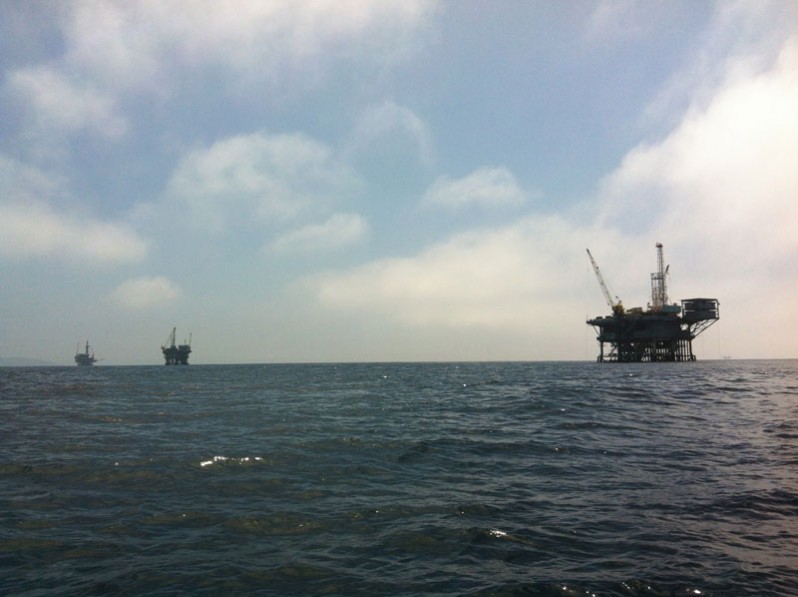
Offshore energy-producing platforms in U.S. waters of the Gulf of Mexico are emitting twice as much methane, a greenhouse gas, than previously thought, according to a new study.
Sun, sea, sand and space as coronavirus empties Asia’s beaches
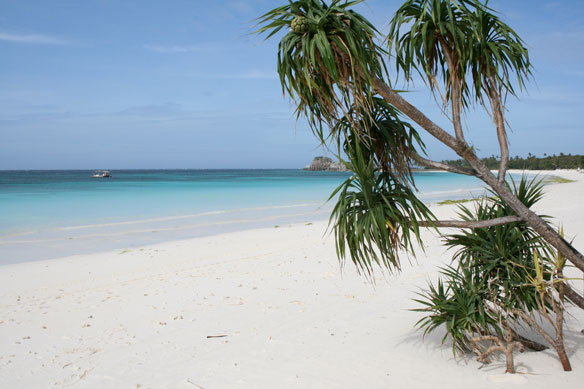
The picture in Bali is similar at other top Asia Pacific destinations such as Sydney’s Bondi Beach and Thailand’s Phuket.
Five trees or a latte? Coastal communities seek help for mangroves
A Singapore-based online platform is to launch an app and website in the next six months using blockchain technology to fund mangrove restoration projects across India and Southeast Asia, to add 1 billion mangrove trees by 2025.
A beach coronavirus warning meets a tidal wave of controversy, and the test of science

For weeks, a debate has been raging over whether going to the beach or swimming in the ocean increases your risk of catching or transmitting the coronavirus. The issue has rankled surfers, overwhelmed and confused anyone seeking the fresh air and freedom of the coast – mislead by initial news reporting out of context.
The super-corals of the Red Sea
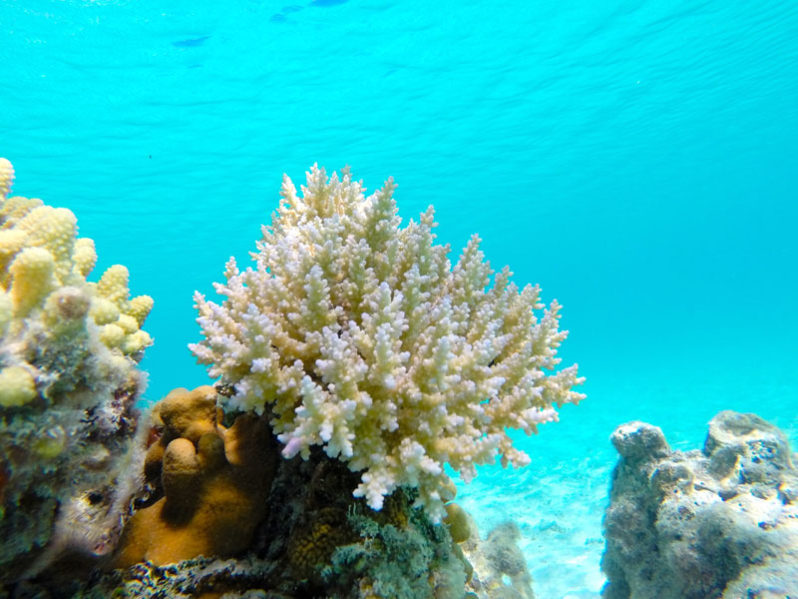
As seas warm and acidify with climate change, corals worldwide are bleaching – but in the north of the Red Sea there is a ray of hope.
A rapidly changing Arctic

A new study found that freshwater runoff from rivers and continental shelf sediments are bringing significant quantities of carbon and trace elements into parts of the Arctic Ocean via the Transpolar Drift — a major surface current that moves water from Siberia across the North Pole to the North Atlantic Ocean.
Plastics Still Manage to Reach the End of the World.One Organization Is Trying to Make Sure Polluters Are Held Responsible
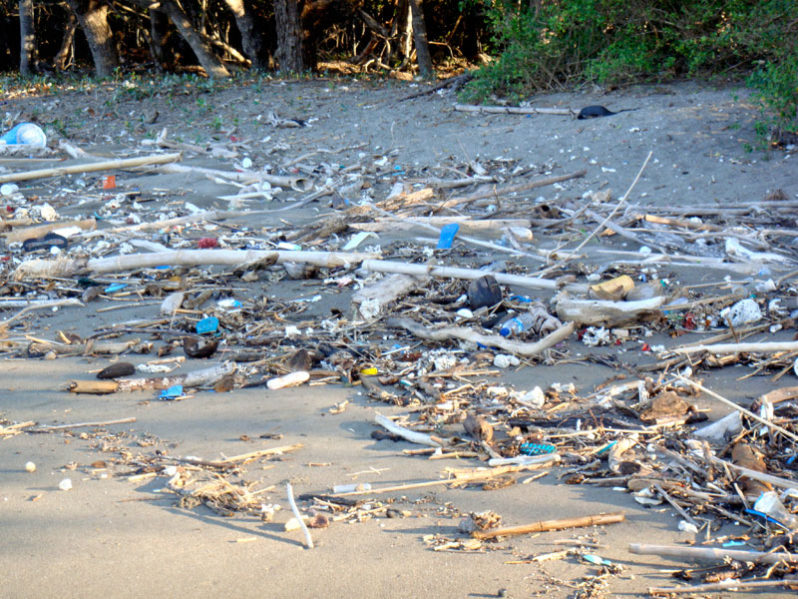
Over the course of a six-week expedition aboard a Greenpeace research vessel earlier this year, Borowicz and his fellow scientists collected approximately 3 metric tons of garbage from Antarctic beaches.