
EU ‘outright dangerous’ in its use of natural resources, says WWF
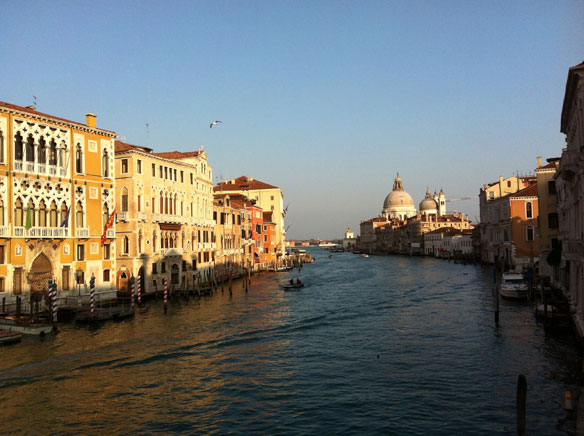
Europe is using up natural resources so quickly that the planet’s ability to replenish itself over the year would be exhausted by this Friday if everyone consumed as much, a new analysis has found.
Rising demand for sand calls for resource governance, UN
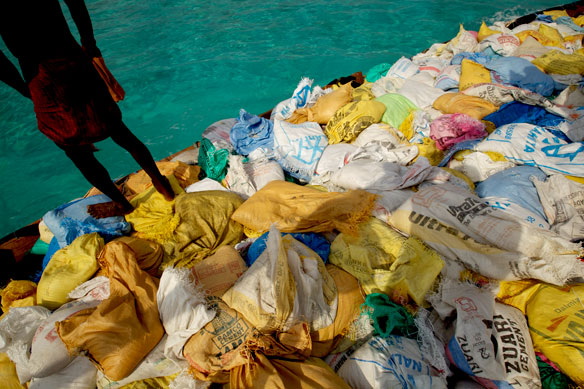
With the global demand for sand and gravel standing at 40 to 50 billion tonnes per year, a new report by UN Environment reveals that aggregate extraction in rivers has led to pollution, flooding, lowering of water aquifers and worsening drought occurrence.
On Java’s Coast, A Natural Approach to Holding Back the Waters
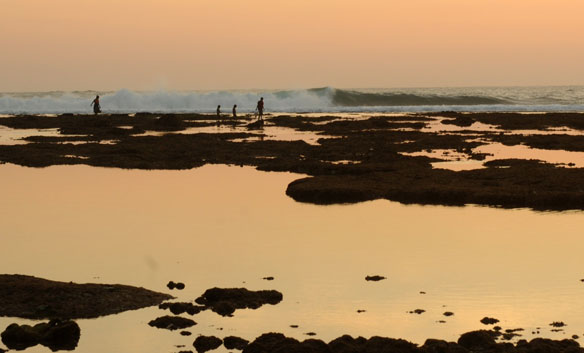
The Indonesian island of Java has lost 70 percent of the mangroves that once protected its coast from erosion and flooding. Now villagers are using natural wooden barriers to try to restore the mangrove forests and save their lands and homes from being washed away.
One million species at risk of extinction, UN report warns

The bonds that hold nature together may be at risk of unraveling from deforestation, overfishing, development, and other human activities, a landmark United Nations report warns. Thanks to human pressures, one million species may be pushed to extinction in the next few years, with serious consequences for human beings as well as the rest of life on Earth.
What’s the future for Sri Lanka’s ‘lost’ population of whales?
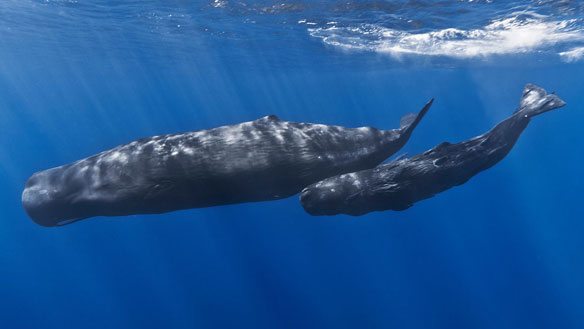
Flocking tourists are making it less of a safe place for these stunning animals.
Tapping fresh water under the ocean has consequences
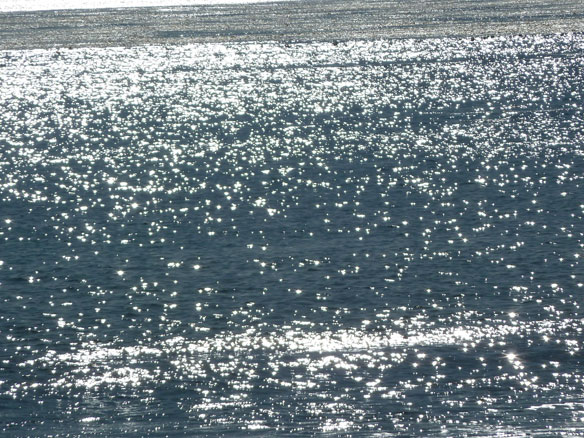
Coastal communities may consider using offshore groundwater resources as populations increase and the limited freshwater resources are degraded by overuse and pollution, but new research suggests tapping into them could lead to adverse impacts onshore.
Strong winds are supersizing the ocean’s biggest waves
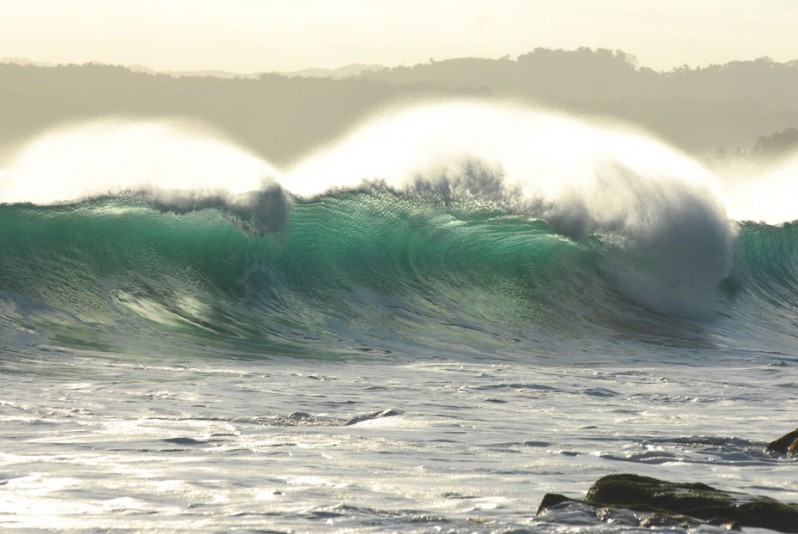
Strong winds are driving the ocean’s biggest waves to dizzying new heights. The University of Melbourne researchers behind the work, published April 25 in the journal Science, say the supersized waves could compound the effects of rising sea levels, leading to more frequent flooding and accelerated coastal erosion.
Indonesia plans to relocate its capital from Jakarta
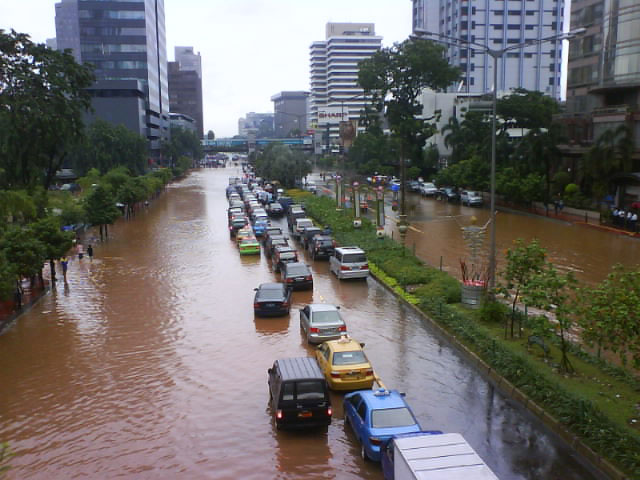
Indonesia plans to move its capital city from Jakarta, according to the country’s planning minister. Jakarta is home to more than 10 million people according to the United Nations, with an estimated 30 million in the greater metropolitan area. The nation is prone to flooding and is sinking at an alarming rate.
Preventing collapse after catastrophe
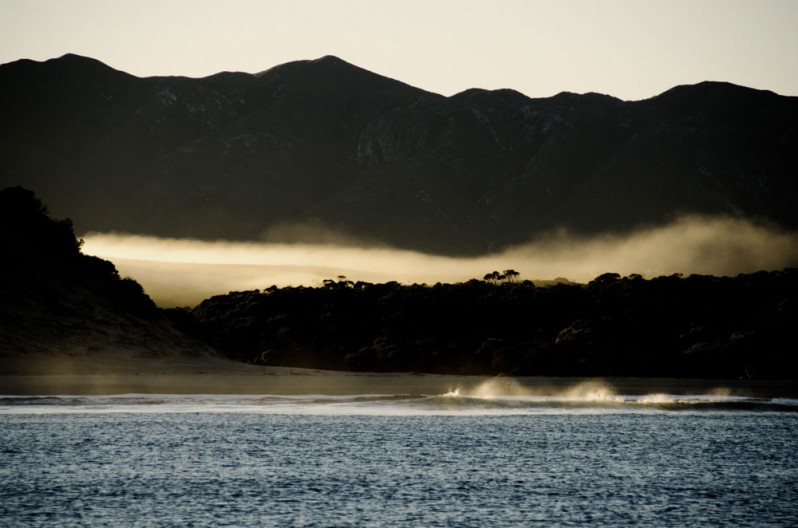
As the impacts of climate change escalate, ecosystems will likely undergo events that will disrupt entire populations. In marine ecosystems, anthropogenic warming has subjected organisms to elevated temperatures, oxygen loss, and acidification. The increased frequency and severity of catastrophic events may inhibit a population’s ability to recover and, in turn, may spur collapse.