
We studied more than 1,500 coastal ecosystems – they will drown if we let the world warm above 2℃ – the Conversation
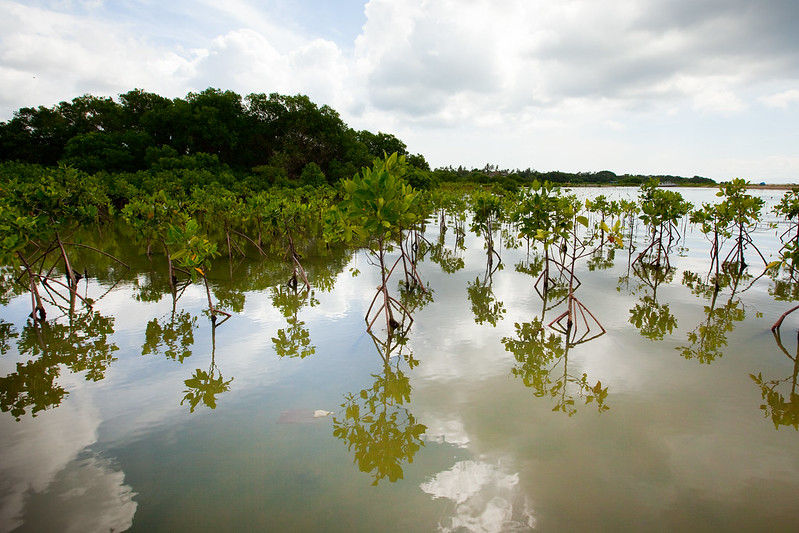
Much of the world’s natural coastline is protected by living habitats, most notably mangroves in warmer waters and tidal marshes closer to the poles. These ecosystems support fisheries and wildlife, absorb the impact of crashing waves and clean up pollutants. But these vital services are threatened by global warming and rising sea levels…
One way to save coral reefs? Deep freeze them for the future – NPR
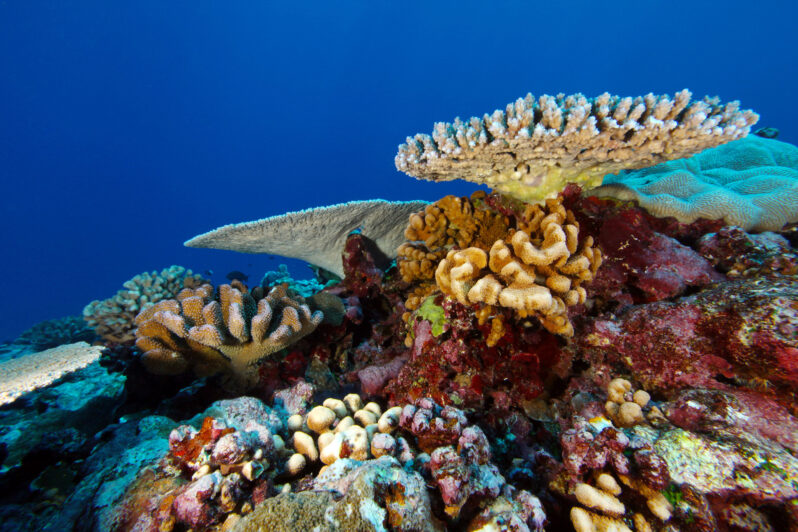
Ocean temperatures have been extremely hot this summer, wreaking havoc on some of the world’s highly vulnerable coral reefs. With marine heat waves only expected to get worse as the climate changes, scientists are increasingly focusing on an emergency plan: collecting coral specimens and safeguarding them onshore….
NOAA and partners race to rescue remaining Florida corals from historic ocean heat wave – NOAA Climate.gov
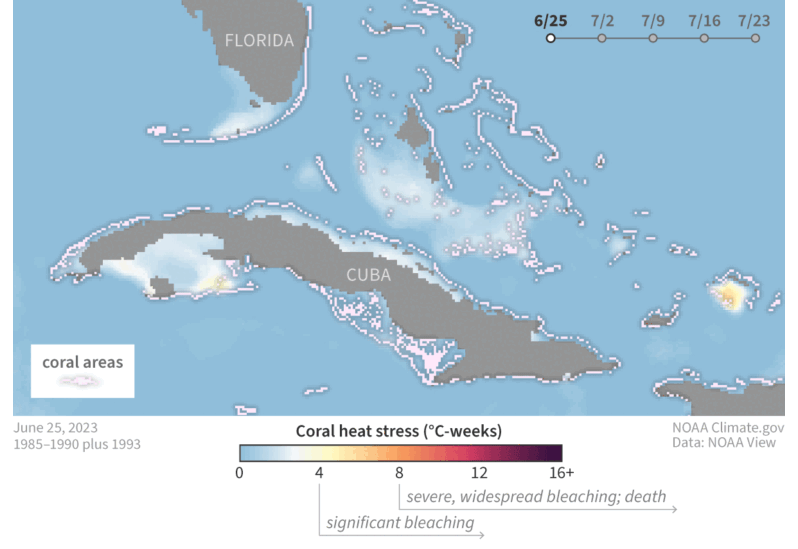
In mid-July 2023, heat-stressed corals in the southern Florida Keys began bleaching—expelling their food-producing algal partners—amid the hottest water temperatures ever documented in the region during the satellite record (dating back to 1985). As weeks of heat stress have continued to accumulate, bleaching and death have become more widespread, raising fears of a mass mortality event on the region’s already fragile reefs…
The real story behind the Atlantic’s record-breaking seaweed blobs – BBC
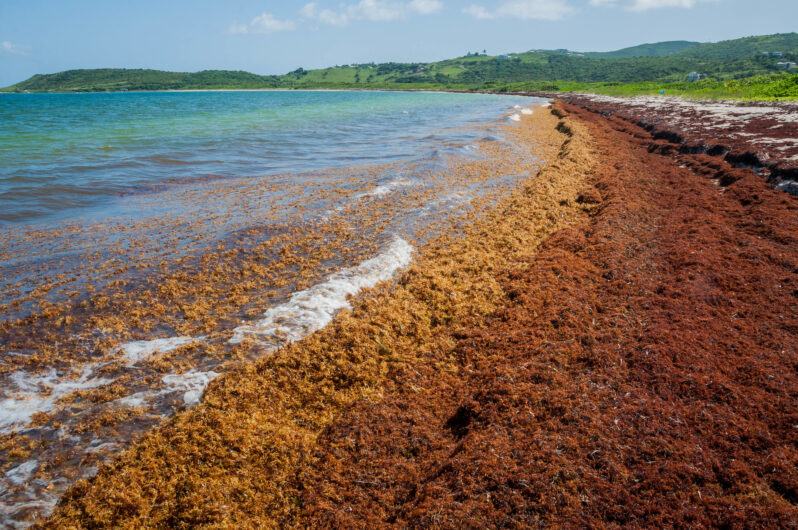
Along the coastlines of the Caribbean and the Gulf of Mexico, a monster is lurking. It creeps in with the tide and you’ll likely smell it before you see it. Giant clumps of sargassum seaweed have been washing ashore, choking the surf and blanketing beaches in a brown, stinking mass.
The clumps are breaking off an enormous raft of free-floating seaweed known as the Great Atlantic Sargassum Belt, which stretches 5,000 miles (8,047km) between the Gulf of Mexico and the west coast of Africa and can be seen from space…
To restore coastal marine areas, we need to work across multiple habitats simultaneously – PNAS
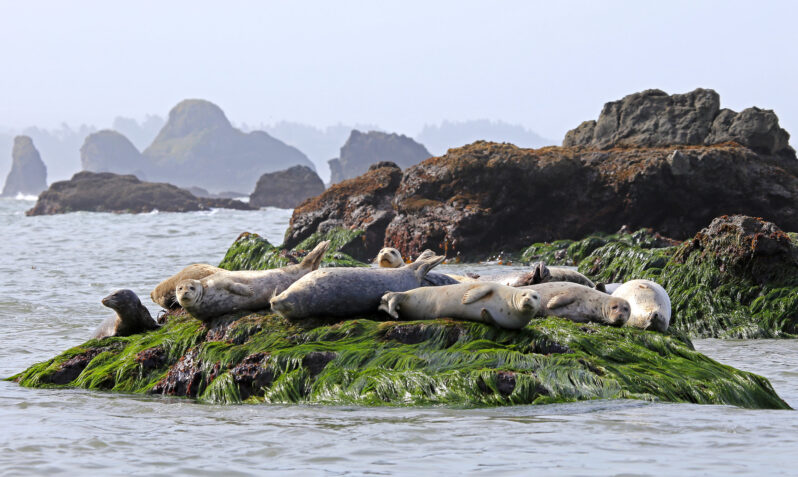
Restoration of coastal marine habitats—often conducted under the umbrella of “nature-based solutions”—is one of the key actions underpinning global intergovernmental agreements, including the Paris Agreement and the 2021–2030 United Nations (UN) Decade of Restoration. To achieve global biodiversity and restoration targets…we need methods that accelerate and scale up restoration activities in size and impact. Part of the solution is cross-habitat facilitation—positive interactions that occur when processes generated in one habitat benefit another…
The Atlantification of the Arctic Ocean Is Underway – Hakai Magazine
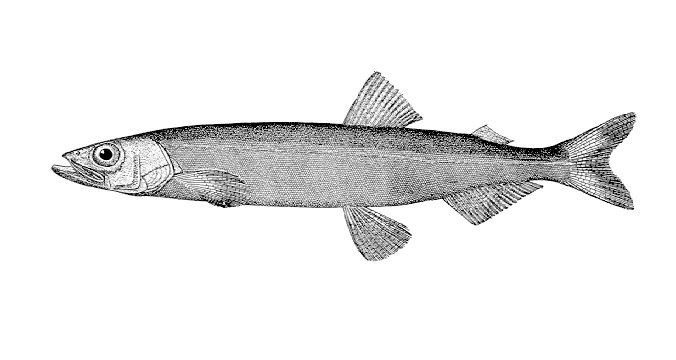
In the Fram Strait off Greenland’s west coast, Véronique Merten encountered the foot soldiers of an invasion.
Merten was studying the region’s biodiversity using environmental DNA, a method that allows scientists to figure out which species are living nearby by sampling the tiny pieces of genetic material they shed, like scales, skin, and poop. And here, in a stretch of the Arctic Ocean 400 kilometers north of where they’d ever been seen before: capelin.
And they were everywhere…
As Ocean Oxygen Levels Dip, Fish Face an Uncertain Future – Yale Environment 360
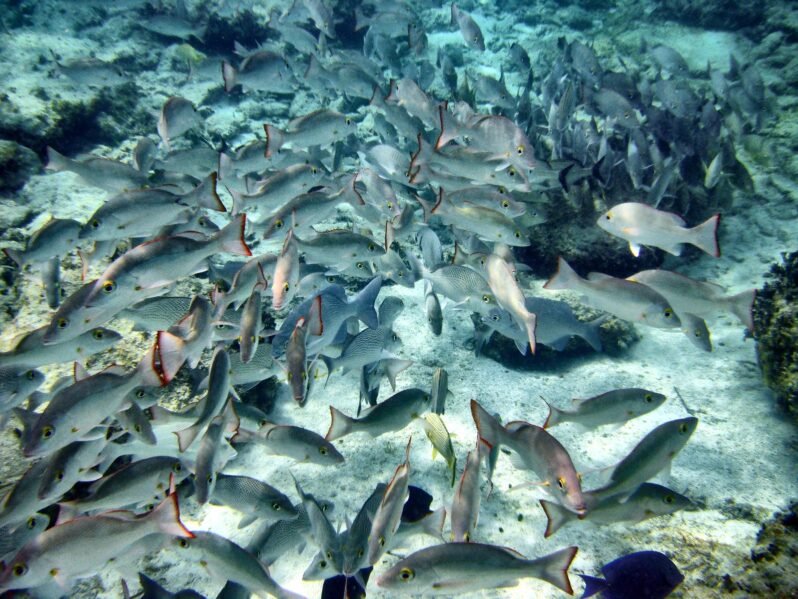
Global warming not only increases ocean temperatures, it triggers a cascade of effects that are stripping the seas of oxygen. Fish are already moving to new waters in search of oxygen, and scientists are warning of the long-term threat to fish species and marine ecosystems.
ff the coast of southeastern China, one particular fish species is booming: the oddly named Bombay duck, a long, slim fish with a distinctive, gaping jaw and a texture like jelly. When research ships trawl the seafloor off that coast, they now catch upwards of 440 pounds of the gelatinous fish per hour — a more than tenfold increase over a decade ago. “It’s monstrous,” says University of British Columbia fisheries researcher Daniel Pauly of the explosion in numbers…
Bleaching, It’s Not Just for Corals – Hakai Magazine
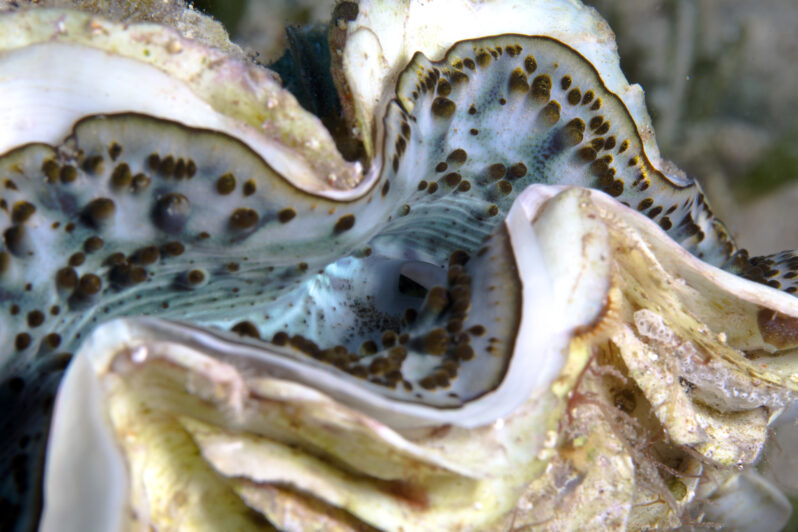
Giant clams suffer similar struggles with warming water, though the consequences don’t seem quite as dire.
Bleaching occurs when a stressed marine creature, most commonly a coral, expels its symbiotic algae and turns a ghostly white, often in response to a warming sea. But bleaching affects more than just corals. Giant clams—massive mollusks that can grow more than 1.2 meters in diameter and weigh as much as 225 kilograms—can bleach, too. And in recent research, scientists have learned more about how bleaching disrupts these sessile giants, affecting everything from their nutrition to their reproduction…
The Foul Chartreuse Sea – Yale Climate Connections
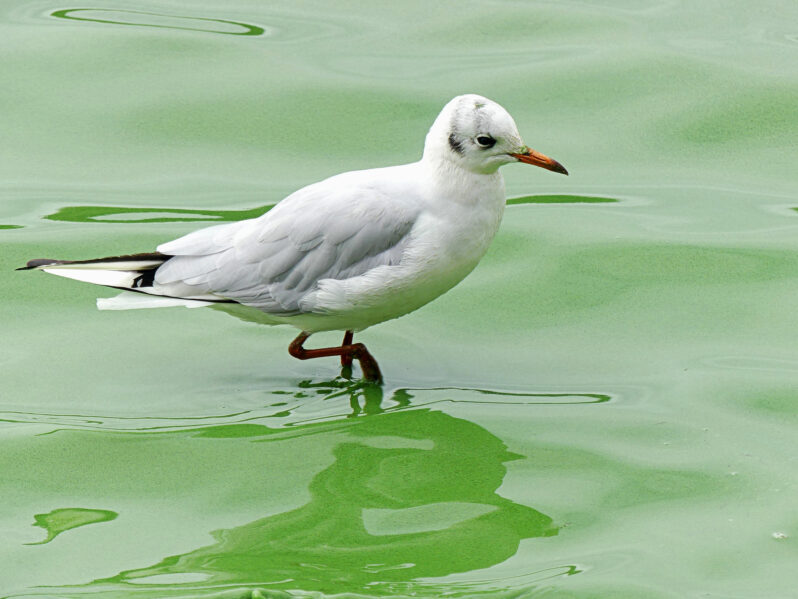
Researchers in Kotzebue, Alaska, are investigating why their town is increasingly playing host to harmful cyanobacteria.
Dead fish were everywhere, speckling the beach near town and extending onto the surrounding coastline. The sheer magnitude of the October 2021 die-off, when hundreds, possibly thousands, of herring washed up, is what sticks in the minds of the residents of Kotzebue, Alaska. Fish were “literally all over the beaches,” says Bob Schaeffer, a fisherman and elder from the Qikiqtaġruŋmiut tribe…