
Sand mining is a huge problem, a new global map shows – the Verge
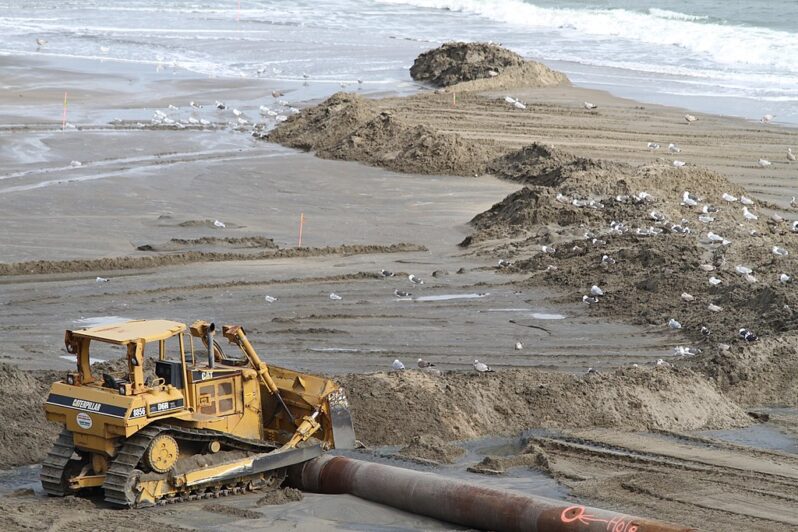
People are dredging an alarming amount of sand from the seafloor, the United Nations Environment Programme (UNEP) warned today. An average of 6 billion tons of sand are taken from marine environments every year, according to a new global data platform from UNEP….
Hurricane Idalia’s Explosive Power Comes from Abnormally Hot Oceans – the New Yorker
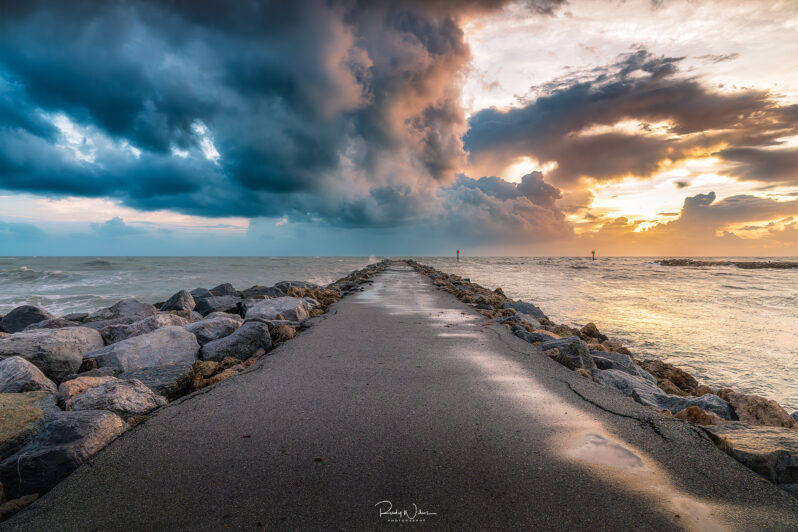
Of all the astonishing facts about our blithe remaking of the world’s climate system, the most astonishing might be this: if oceans didn’t cover seventy per cent of our planet, we would have increased the average temperature to about a hundred and twenty-two degrees Fahrenheit. That’s because those oceans have absorbed something like ninety-three per cent of the extra heat trapped by the greenhouse effect and our burning of fossil fuels…
DeSantis’s Florida Approves Climate-Denial Videos in Schools – Scientific American

Florida’s Department of Education has approved classroom use of videos that spout climate disinformation and distort climate science
Climate activists are like Nazis.
Wind and solar power pollute the Earth and make life miserable.
Recent global and local heat records reflect natural temperature cycles.
These are some of the themes of children’s videos produced by an influential conservative advocacy group…
Is this ‘age of the delta’ coming to an end? – Knowable Magazine
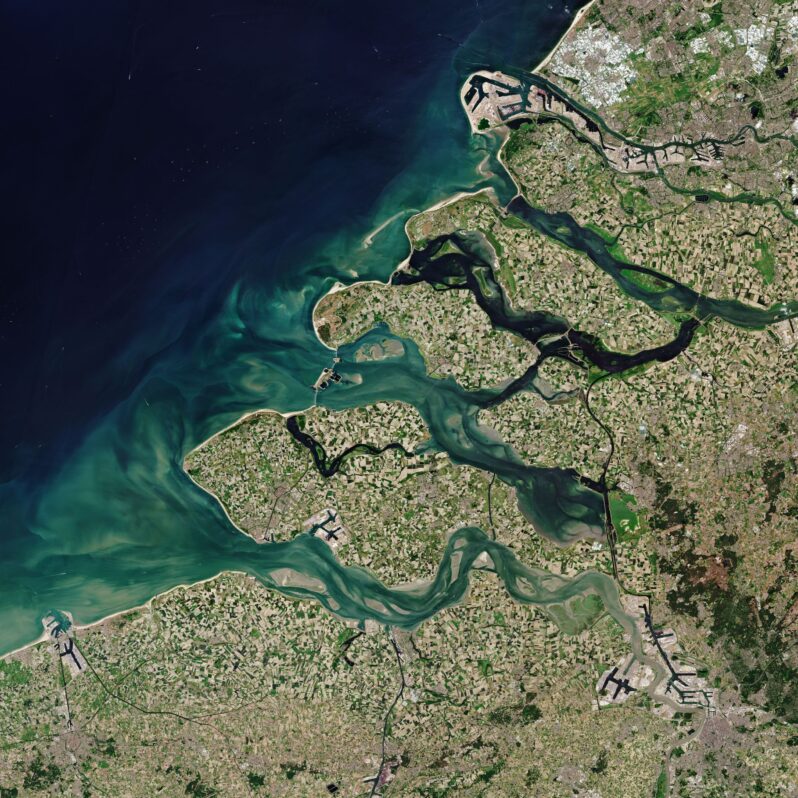
The land near the mouth of the Mississippi River is barely land at all. Muddy water forks into a labyrinth of pathways through a seemingly endless expanse of electric-green marsh grass, below skies thick with birds. Shrimp and crabs wriggle in the water below, and oak and cypress sprout from wet soils on higher grounds. Stretching for more than a hundred miles along the coast of Louisiana, this is one of the world’s largest, and most famous, river deltas…
Opposition grows to Indonesia’s resumption of sea sand exports – Mongabay

Marine and fisheries activists in Indonesia are ramping up their calls for the revocation of a new government regulation allowing the export of sea sand, saying the policy will benefit foreign interests more than local fishers and marine ecosystems…
Before the flood: how much longer will the Thames Barrier protect London? – the Guardian
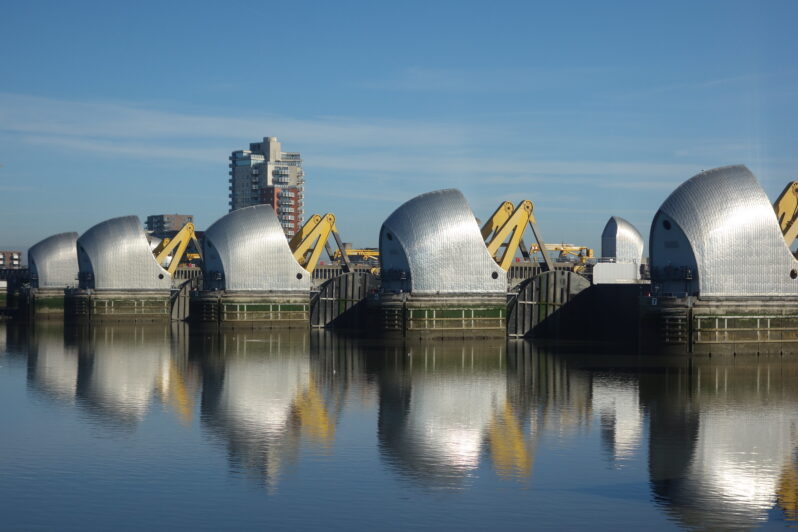
The last time the Thames broke its banks and flooded central London was on 7 January 1928, when a storm sent record water levels up the tidal river, from Greenwich and Woolwich in the east as far as Hammersmith in the west. Built on flood plains, the capital was defended only by embankments. The flood waters burst over them into Whitehall and Westminster, and rushed through crowded slums. Fourteen died and thousands were left homeless…
At last, Venice’s authorities admit the risk from sea-level rise – The Art Newspaper
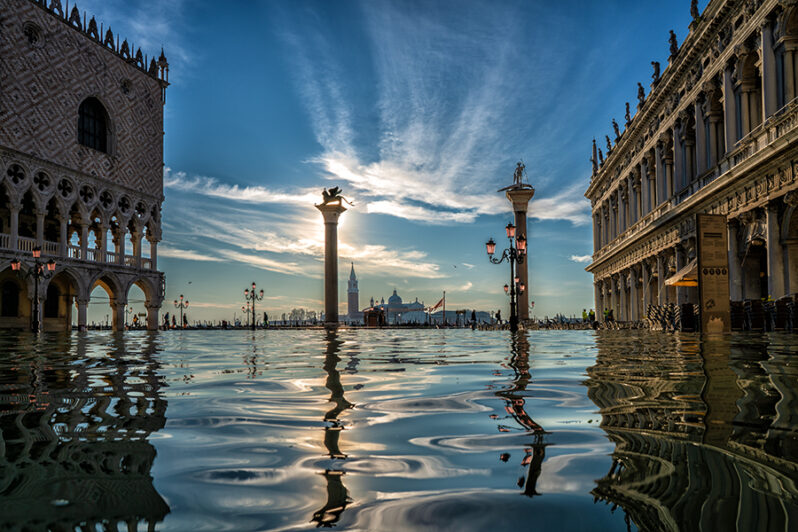
At a conference organised by the new Venice Sustainability Foundation in June, major public figures agreed for the first time that sea-level rise is the main problem facing the city now…
The Disappearing Beach – NJ.com
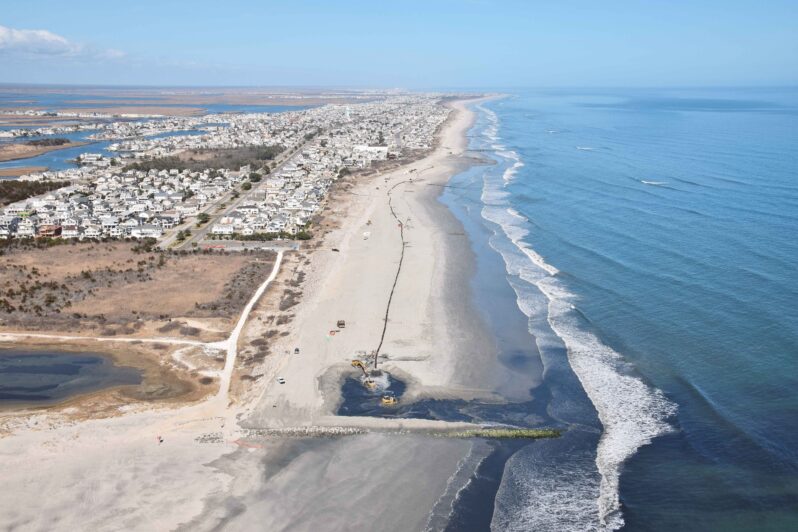
More than $2.6 billion has been spent dumping sand onto the Jersey Shore. Was it worth it?
Waves lap up against the narrow shore of North Wildwood as Patrick Rosenello straightens his sunglasses, and leans against the steel seawall, the soft sand crumbling beneath his tan dress shoes.
Quiet as he is, the mayor doesn’t have to utter a word about how important the tiny specks of sediment are to the resort town. His navy sweater vest says it all.
The municipality’s seal features two dolphins flanking the phrase “Sun and Sand.”
Coastal Flooding Will Be More Extensive Sooner than Scientists Thought – Hakai Magazine
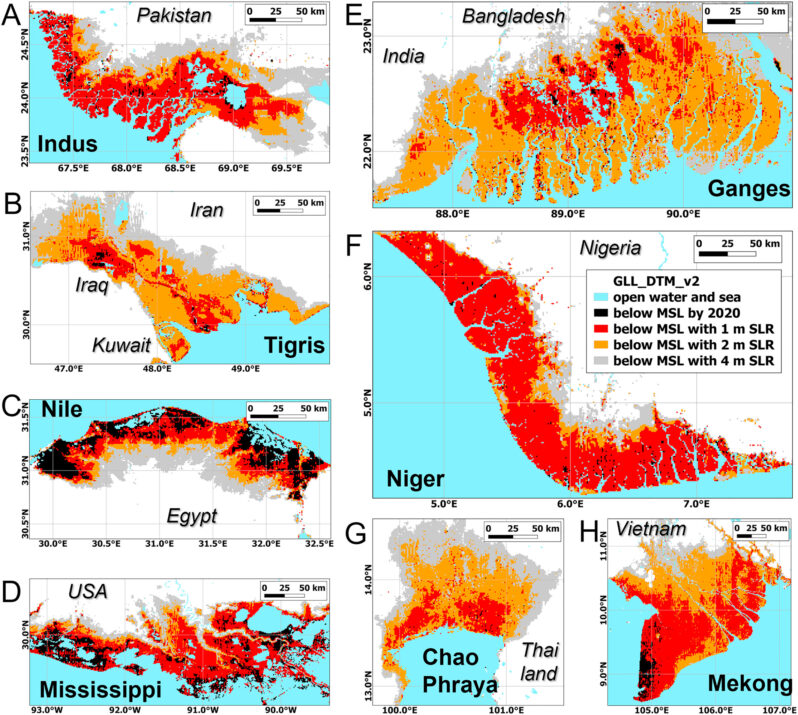
Updated, more accurate data gives a new look at the effects of sea level rise.
Around the world, communities are bracing for sea level rise: the Netherlands is stabilizing its dikes, Senegal is relocating neighborhoods, Indonesia is moving its entire capital city. These projects are hefty, expensive, and slow…