
Life’s no beach for Thais affected by sand mining – Mekong Eye
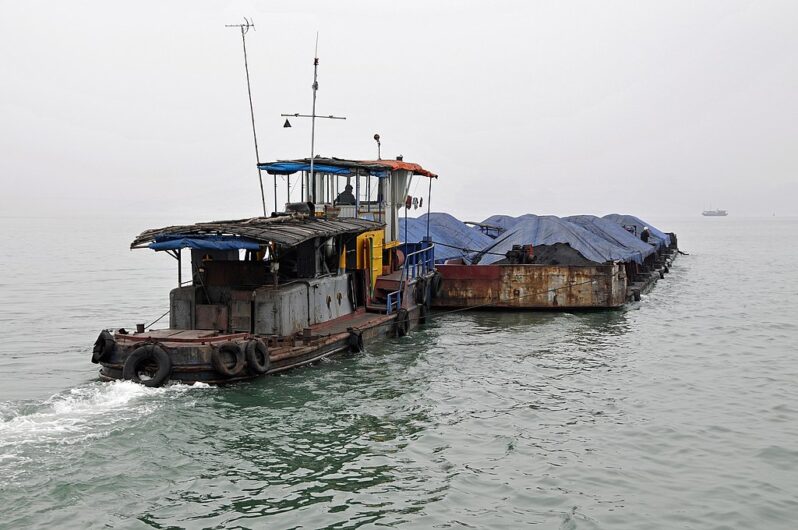
Illegal sand mining has been an ongoing issue in Thailand’s section of the Mekong River due to fragmented governance and “influential people.”
Crowds of locals and tourists are drawn to Had Hae – a sandy beach that emerges when the level of the Mekong River falls in That Phanom district in Thailand’s northeast Nakhon Phanom province, which borders Laos.
The beach, which looks like an island in the middle of the river, is filled with visitors and local people’s makeshift stalls selling food and other goods during the summer…
Cambodia’s insatiable appetite for river sand – Mekong Eye
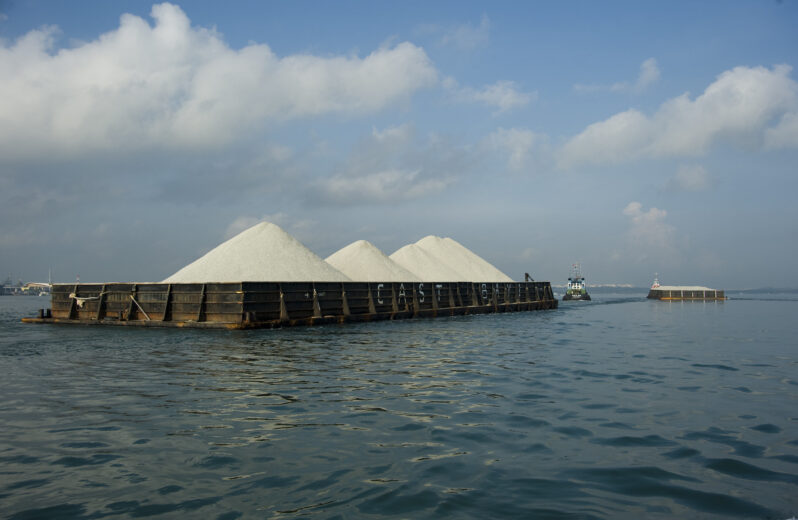
The high level of corruption in Cambodia undermined the public’s trust in the government’s regulations on the sand mining industry.
Sor Sok Lang, a resident of Ta Ek commune in Kandal province, 40 kilometers from Cambodia’s capital Phnom Penh, has thought about leaving her house on the banks of the Mekong River – where she watches her land get eaten up by the river every year…
Mekong Delta pays a high price from sand mining – Mekong Eye
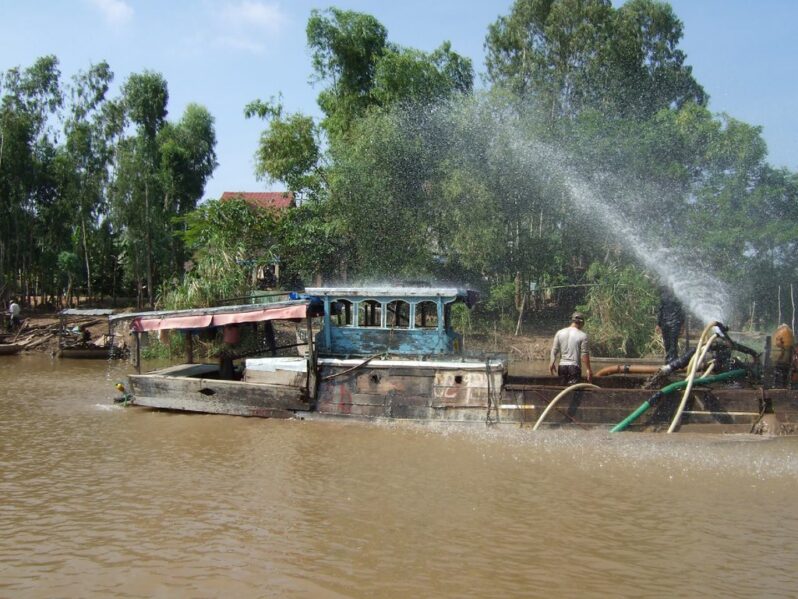
The need for sand to build roads and infrastructure in Vietnam charges ahead with few restraints as land and houses are lost.
The only traces of Long Phu Thuan, an islet in the Mekong River in Vietnam’s Dong Thap province, can now only be found in old maps.
Much of the islet belonged to Le Van Phi, a 70-year-old farmer. Back in 1976, he explored the islet and converted 0.4 hectares of it into farmland. He grew corn, soybeans and chili peppers in the dry season, and rice in the flooding season…
Shifting Sands: The Messy Business of Sand Mining Explained – Reuters Graphics
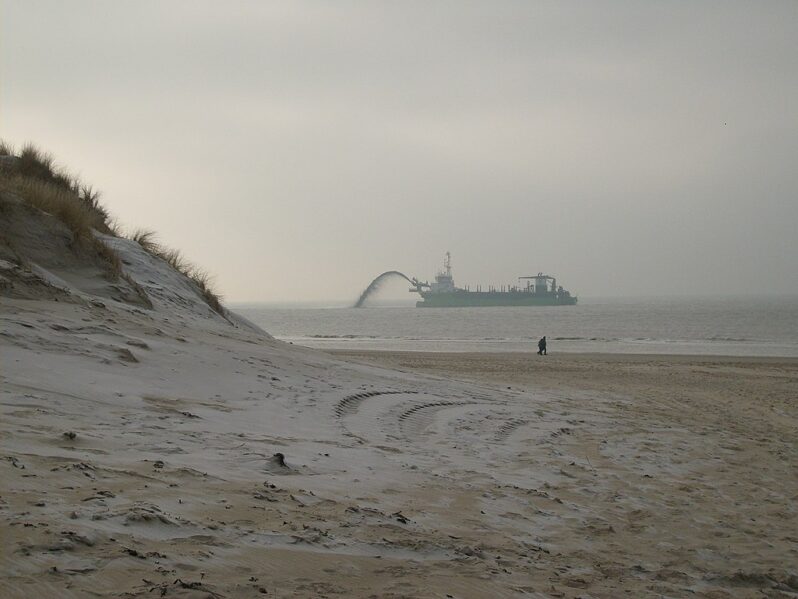
From Shanghai to Seattle, the world’s cities are built on sand – massive amounts of sand. It’s in the cement and concrete that make the bulk of most buildings. The glass in those buildings’ windows is made with sand, too. So is the tarmac laid onto the roads around them. Sand is the planet’s most mined material, with some 50 billion tons extracted from lakes, riverbeds, coastlines and deltas each year, according to the United Nations Environment Programme. Per person, that’s about 6,570 kilogrammes (14,500 pounds) per year – more than an elephant’s weight in sand…
Four questions for Eric Lambin on the sand shortage – Stanford News
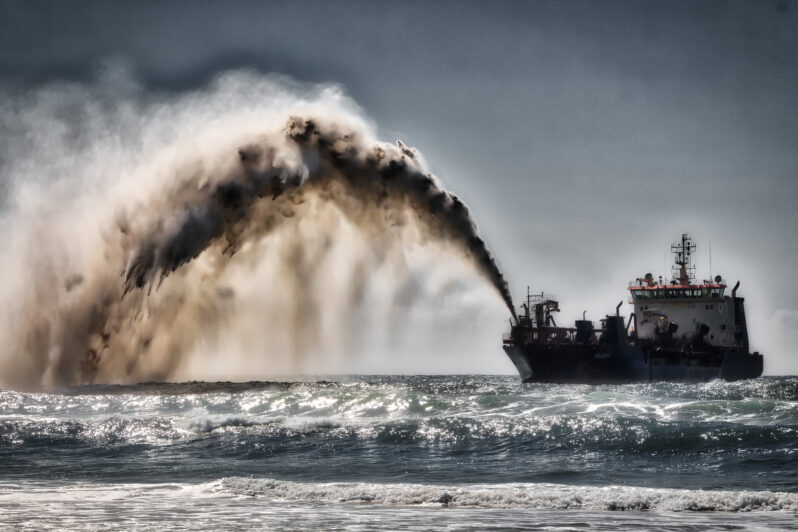
The Stanford geographer and environmental scientist discusses the sand shortage crisis and what it means for the future of the environment.
The ongoing surge in demand for sand has made it a scarce commodity. This natural resource is commonly used in computer microchips, construction, and is an active ingredient in cosmetics. But the current supply of this material has not been able to keep up with the speed of global urbanization. Now, sand is approaching a cost of $10 a ton, while it was just under $4 a ton 31 years ago…
What China Has Been Building in the South China Sea – the New York Times
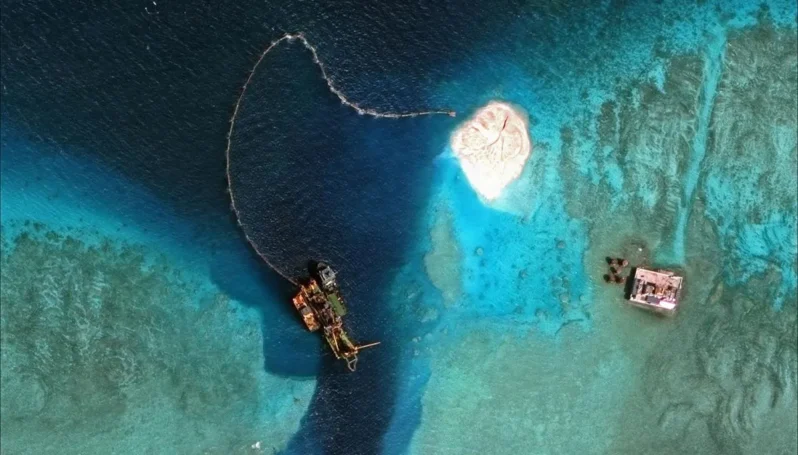
China has been rapidly piling sand onto reefs in the South China Sea, creating seven new islets in the region. It is straining geopolitical tensions that were already taut.
China’s activity in the Spratlys (Islands) is a major point of contention between China and the United States and was a primary topic of discussion between President Obama and President Xi Jinping of China during the Chinese president’s visit to the White House in September. On Monday, the United States sent a Navy destroyer near the islands, entering the disputed waters…
Sand – Planet Snapshots
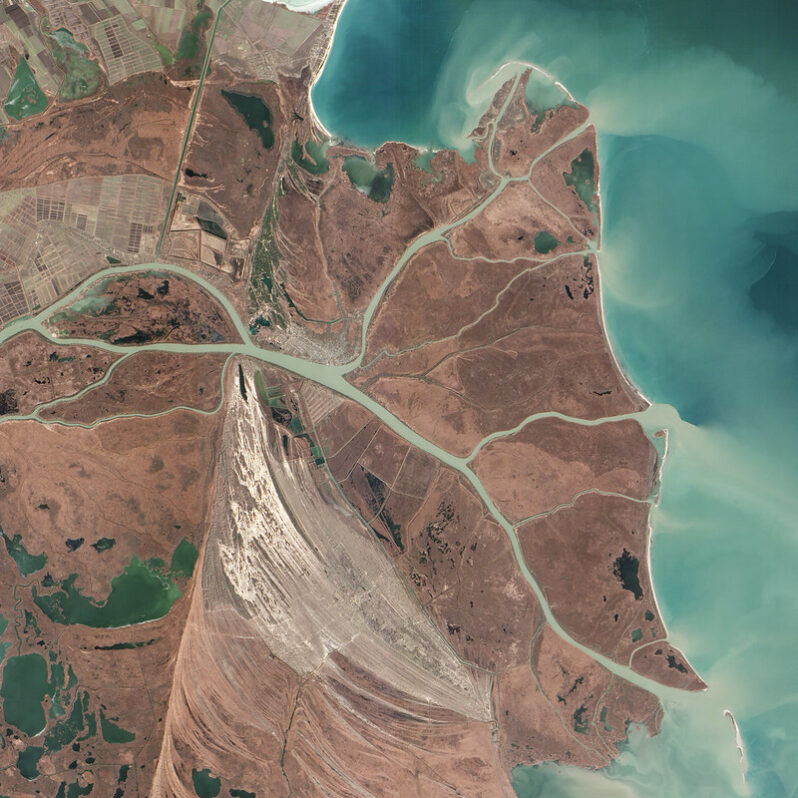
Sand. It’s coarse, rough, irritating, and it gets everywhere — perhaps more than you think. Sand is the second most used natural resource after water and the most extracted solid material, accounting for 85% of global mineral extraction. Like a messy trip to the beach, it has infiltrated our pockets and all our surroundings. It’s the key ingredient in cement, asphalt, glass, and silicon chips. Our cities are glorified sand castles, and our most advanced tech is built from this unimposing substance…
Nearly 90% of Hanauma Bay’s beach could disappear by 2030, says UH study – Hawaii Public Radio
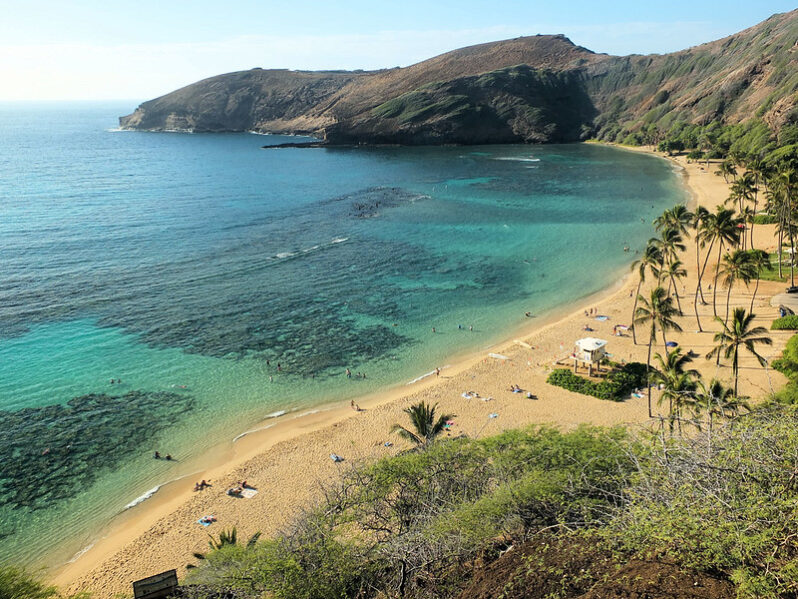
A new study from the Hawaiʻi Institute of Marine Biology at the University of Hawaiʻi at Mānoa is predicting most of Hanauma Bay’s beach will be underwater for a few days in 2030.
Researchers used models to show the impact of sea-level rise at the bay. They combined the lowest predicted rise of six inches with the island’s seasonal King Tides, when waves splash higher on the shore higher than normal.
It forecasts that 88% of the bay’s usable beach, or sandy portions, would be submerged in 2030…
As Greenland’s Ice Melts, Glacial Sand Deposits May Offer a Welcome Economic Opportunity – Columbia Climate School
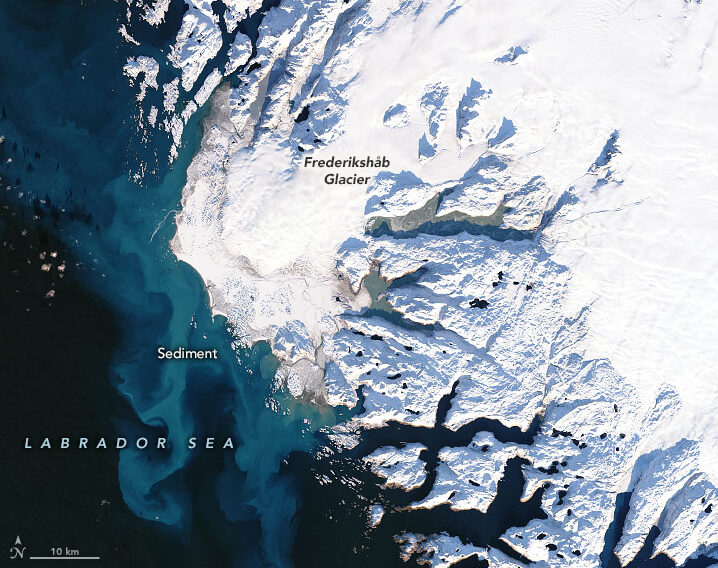
Greenland’s ice sheet is losing 280 billion tons of mass per year, and some models suggest that its glaciers may be melting up to 100 times faster than expected. But flowing off those glaciers comes a potential economic boom: sand. Each season, millions of tons of sediment flow from melting glaciers into the ocean, adding landmass to the largest island in the world. According to a research paper published in Nature last fall, three out of four Greenlanders support extracting and exporting sand — so long as they’re the ones in charge of managing the resource…