
‘It’s reaching a crisis point’: Outer Banks leaders say they’re out of funding to save threatened beach communities – WRAL News
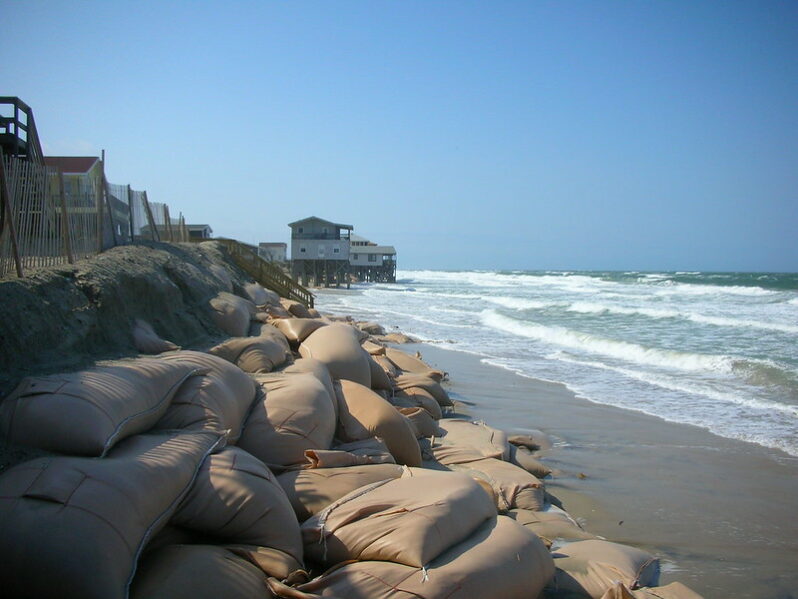
Dare County leaders said communities are at risk from coastal erosion, but state law is holding them back from finding potential solutions.
Dare County leaders said they can no longer afford to build back beaches in the Outer Banks that have been swallowed by the ocean, sending multiple houses collapsing in recent years…
How sea level rise contributes to billions in extra damage during hurricanes – Yale Climate Connections
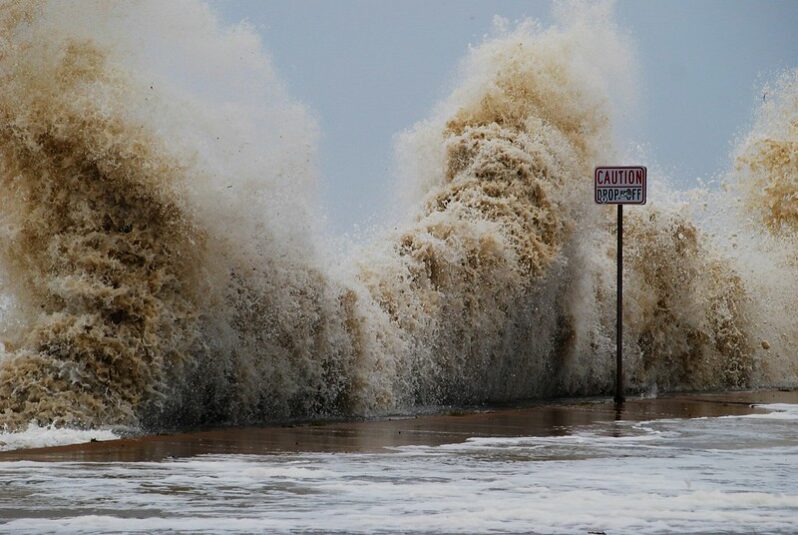
Had Ian hit a century ago, when sea levels were about a foot lower, the storm probably would have caused billions less in storm surge damage, judging by the results from two studies looking at storm surge damage from 2012’s Hurricane Sandy in New York. Taken together, the study results suggest that rising seas left a huge portion of U.S. coastal infrastructure – much of it built during the 20th century – vulnerable to storm surges.
Small increases in storm surge can cause huge impacts…
An Alaskan Town Is Losing Ground—and a Way of Life – the New York Times
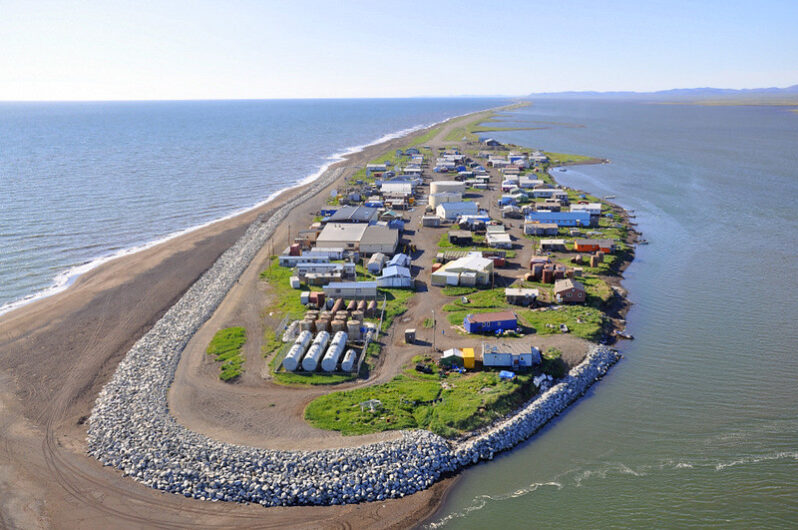
For years, Kivalina has been cited—like the Maldives, in the Indian Ocean, or the island nation of Tuvalu, in the Pacific—as an example of the existential threat posed to low-lying islands by climate change…
On a visit to the state in 2015, President Barack Obama flew over Kivalina and posted a photograph of the island on social media from the air. “There aren’t many other places in America that have to deal with questions of relocation right now,” Obama wrote, “but there will be.” He described what was happening in the village as “America’s wake-up call.”
Seven years later, Kivalina’s move is still mostly in the future, even though the island continues to lose ground…
Can Development Laws Elevate Us Out of Sea Level Rise?
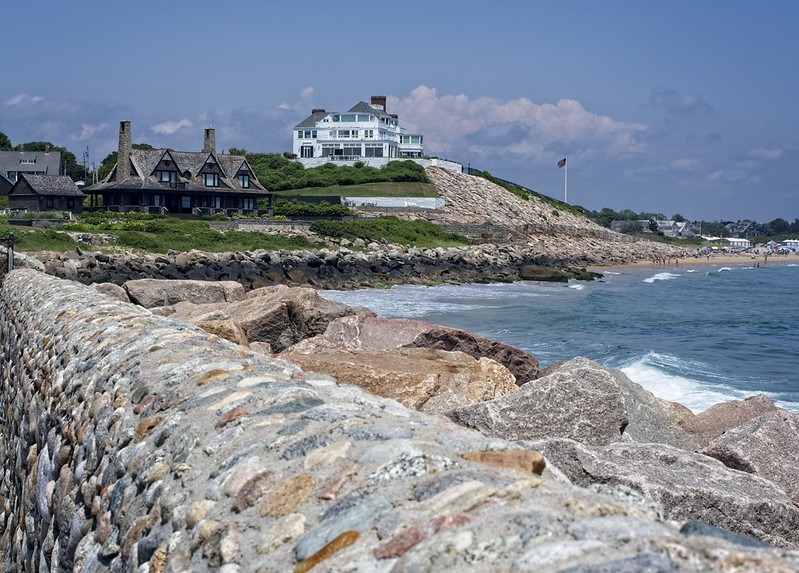
Watch Hill is an old neighborhood, where houses with names like Windridge, Waveland and Sea Swept began to take their positions on the ridge more than 160 years ago…
But Watch Hill’s most implacable foe has always been Mother Nature. In 1938, the Great Hurricane wiped fifty houses off Napatree Point, a finger of land curling into the sound. Today, the village is under the increasingly frequent assault of water coaxed by tidal force or blown in by Nor’easters over streets and parking lots, cutting off access to Napatree and giving the old house names a sardonic twist…
‘Sand is like gold.’ The pricey race to restore Florida beaches before the next hurricane – KOAM News Now
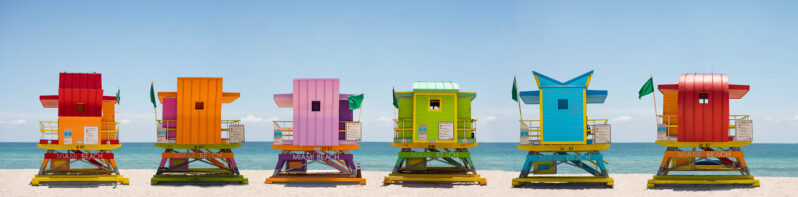
For decades, Florida has been restoring its beaches by dredging or trucking in more sand. But the practice is becoming more challenging — and expensive, thanks to the rising cost of beach-quality sand. Offshore sand deposits, especially on Florida’s southeast coast, are dwindling after decades of repeated beach restoration projects. As local governments squabble over the right to use the remaining sand, its price is rising…
Florida beaches were already running low on sand. Then Ian and Nicole hit – the Washington Post
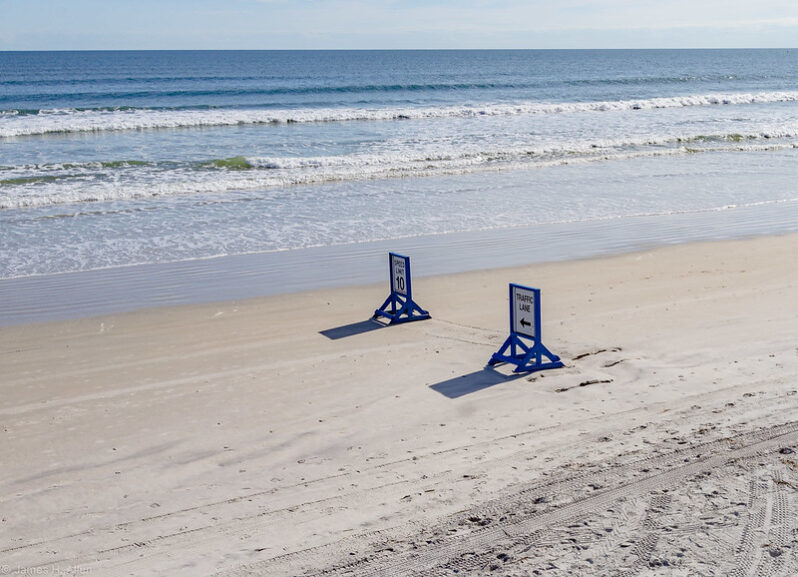
“I think we’re starting to discover that, despite our best efforts and wanting to throw as much money at this as possible, it has become very difficult to keep these beaches as wide as we would like to keep them,” Robert S. Young, a geology professor at Western Carolina University and director of the Program for Developed Shorelines… “We simply don’t have the capacity to hold all of these beaches in place.”
Rising seas threaten the Gullah Geechee culture. Here’s how they’re fighting back – National Geographic
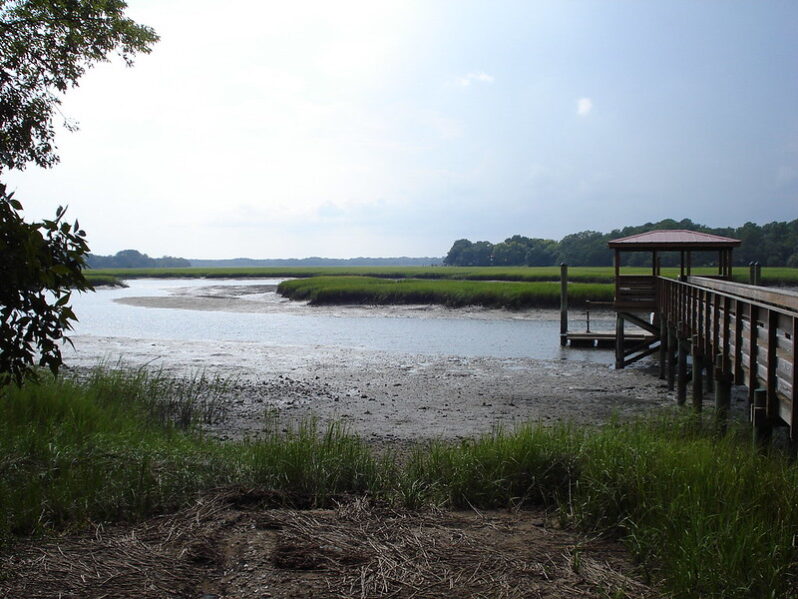
The Gullah Geechee people are among the most climate threatened in the world. By rebuilding oyster reefs and limiting coastal development, they hope to preserve homes and heritage.
North Topsail is getting millions for beach nourishment. How long will the sand last? – Star News Online
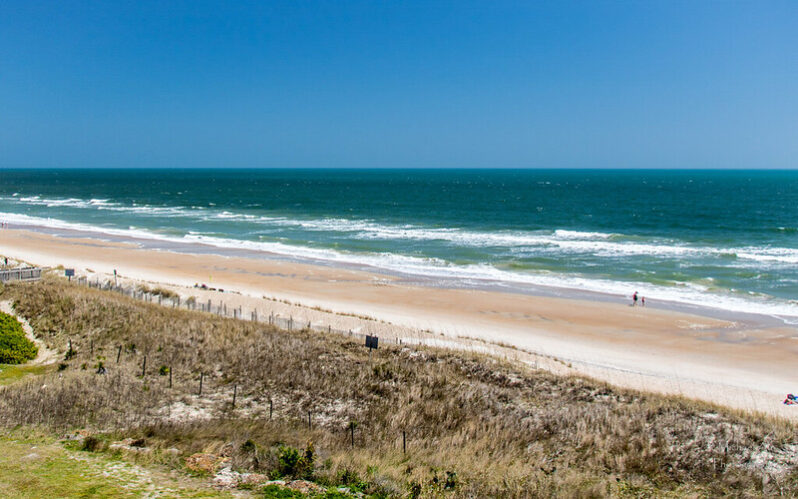
Last month North Carolina doled out nearly $20 million in grants to help coastal communities better fortify and rebuild beach infrastructure battered by recent hurricanes, tropical storms, and nor’easters.
But in a world where climate change is bringing higher seas and more frequent and ferocious storms to our shores, is investing taxpayer dollars in the sand that’s all but guaranteed to have a limited lifespan on the beach a smart investment?
‘Plastics Detective’ Imogen Napper traces pollution to the source – National Geographic
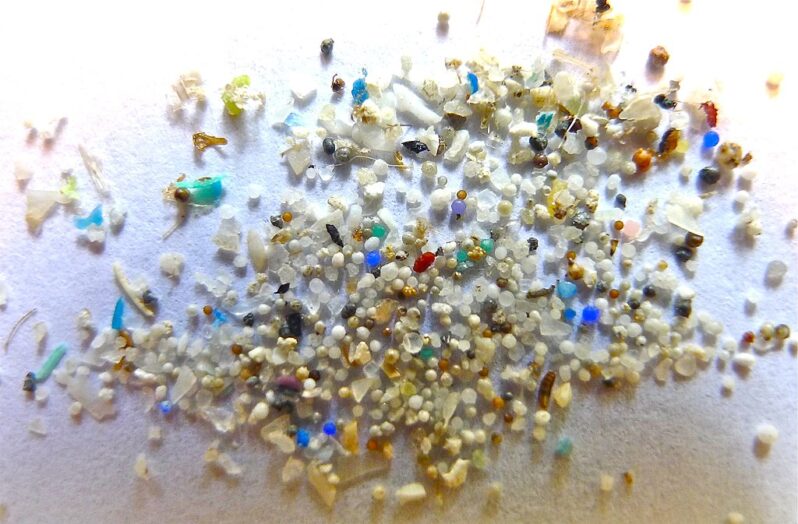
As a marine scientist and researcher and National Geographic Explorer, Imogen Napper thinks a lot about plastic….(She) has spent years sweeping the world for traces of plastic where it doesn’t belong, and finding creative solutions to the problem of plastic pollution…