
How Natural World Heritage Sites Are Being Spoiled
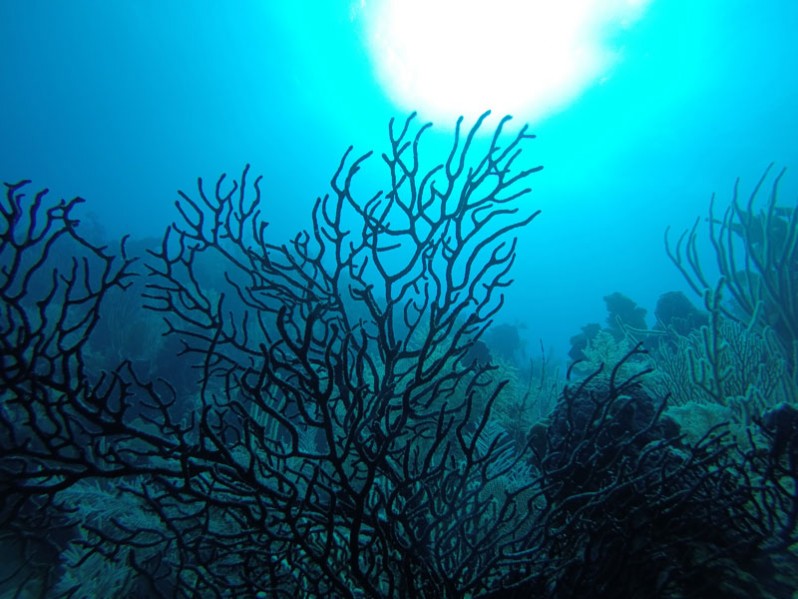
When a place is designated a Natural World Heritage Site, it is a recognition that it has “outstanding universal value” and must be protected. But a new study shows many of these sites are being severely damaged by human activity and are deteriorating rapidly.
Long-lost continent found submerged deep under Indian Ocean
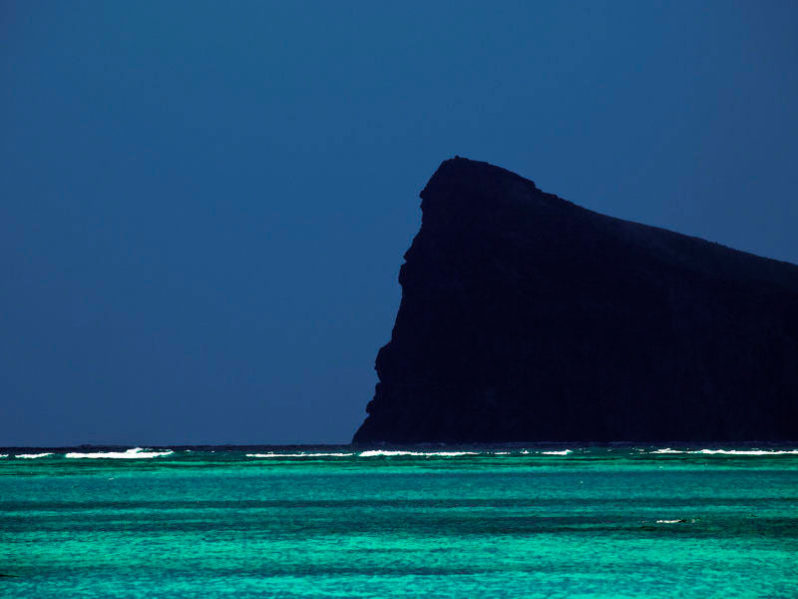
An ancient continent that was once sandwiched between India and Madagascar now lies scattered on the bottom of the Indian Ocean. Although Mauritius is only 8 million years old, some sparkly, iridescent flecks of rocks known as zircons crystals, found on the island’s beaches, date back almost 2 billions of years.
Substance in crude oil harms fish hearts, could affect humans as well
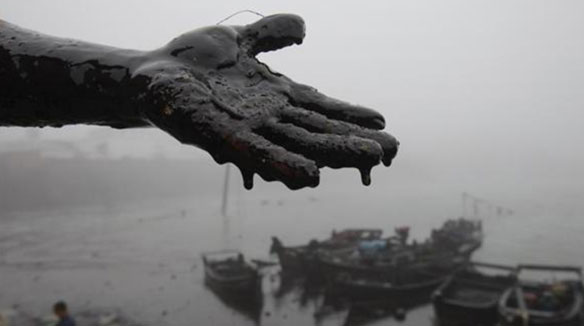
Exposure to oil can cause severe cardiovascular effects in fish. Experiments provide direct evidence of how phenanthrene, an oil pollutant found in water, air and soil, causes irregular heartbeat and weaker contractions of heart cells.
Oil: Keeping Atlantic Drilling Ban Meets Climate Goals
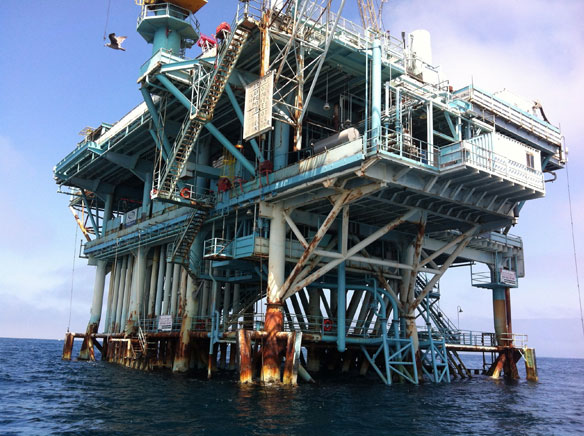
With much of the Atlantic and Arctic waters no longer up for grabs for offshore drilling, the U.S. is on the right track to keep global warming below 2 degrees Celsius by 2040.
As Climate Change Accelerates, Floating Cities Look Like Less of a Pipe Dream

A plan to respond to climate change by building a city of floating islands in the South Pacific is moving forward, with the government of French Polynesia agreeing to consider hosting the islands in a tropical lagoon. But the project has critics in French Polynesia and beyond.
Kenya: Marine debris threaten to suffocate sea animals
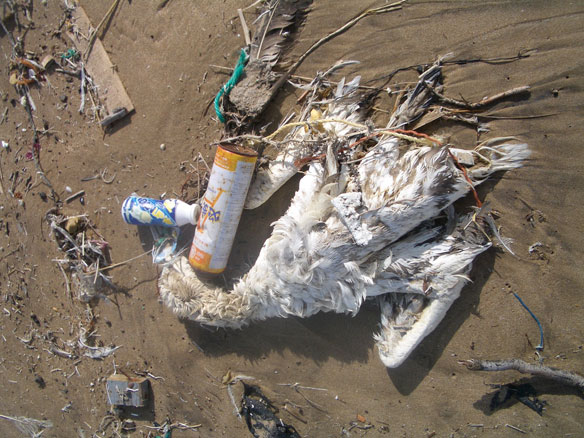
Marine researchers spotted a dolphin suffocating in a plastic bag last week in Watamu, Kenya. The incident, the first to be witnessed there, has raised concern on the safety of the millions of sea animals in the Indian Ocean waters due to the increased cases of plastic waste.
The Treacherous and Productive Seas of Southern Africa

The convergence of two ocean currents—one warm and one cold—in the shallow waters of Agulhas Bank produces turbulent and unpredictable waters.
Japan’s Largest Coral Reef Is Dying
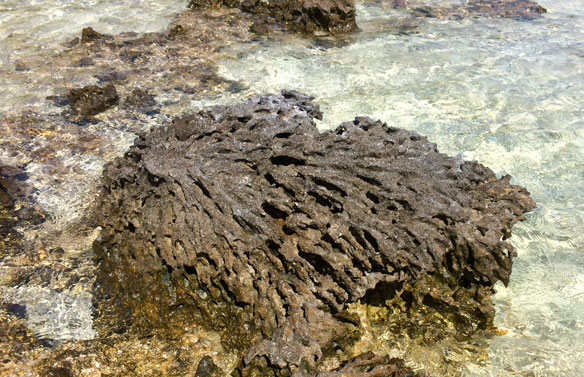
More than 90 percent of the corals in Sekiseishoko reef, located in the Ryukyu Islands near Okinawa, were discovered to be at least partially bleached when surveyed in November and December. About 70 percent of the reef’s living corals were found to have died.
Changes in Rainfall, Temperature Expected to Transform Coastal Wetlands This Century
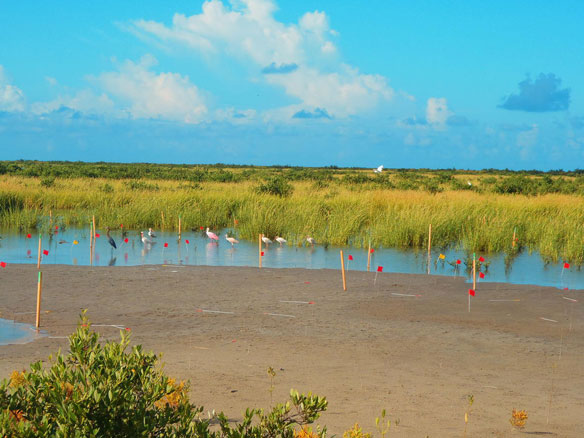
Sea-level rise isn’t the only aspect of climate change expected to affect coastal wetlands: changes in rainfall and temperature are predicted to transform wetlands in the Gulf of Mexico and around the world within the century. These changes will take place regardless of sea-level rise.