
Ships’ emissions create measurable regional change in clouds
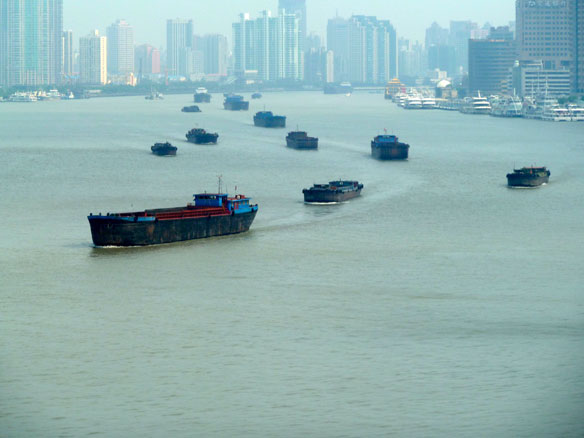
Years of cloud data over a shipping route shows that pollution from ships has significantly increased the reflectivity of the clouds. The results suggest that industrial pollution’s effect on clouds has masked about a third of the warming due to fossil fuel burning since the late 1800s.
Scientists predict the size of plastics animals can eat
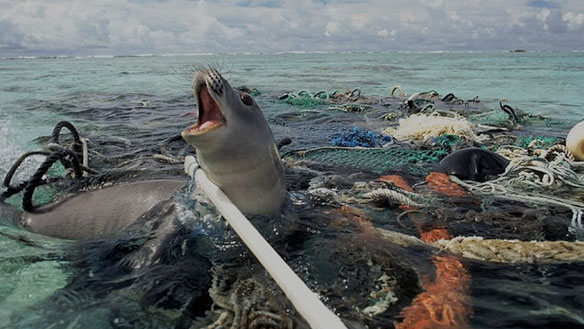
A team of scientists at Cardiff University has, for the first time, developed a way of predicting the size of plastics different animals are likely to ingest.
7,000 gallons of sewage from San Onofre nuclear plant spills a mile into the ocean
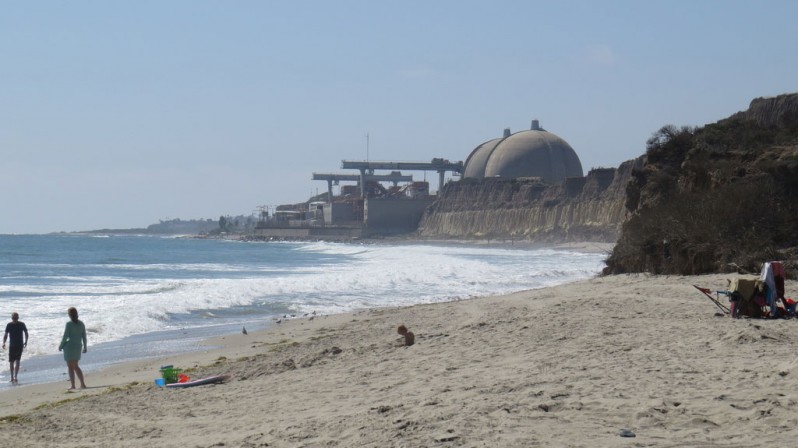
Officials at Southern California Edison, the plant’s operator, said the sewage amounted to a “non-radiological release” that entered the ocean through a conduit from Unit 2 at the facility.
Ocean species are shifting toward the Poles
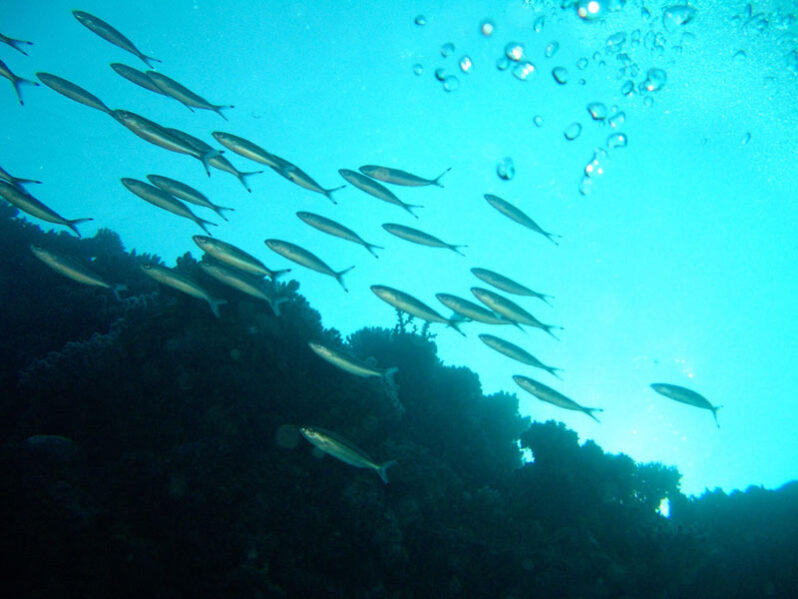
Concentrations of marine animal populations have been shifting away from the equator and toward the poles during the course of the past century, according to one of the most comprehensive analyses of marine species distributions to date.
Great Barrier Reef suffers third mass bleaching in five years
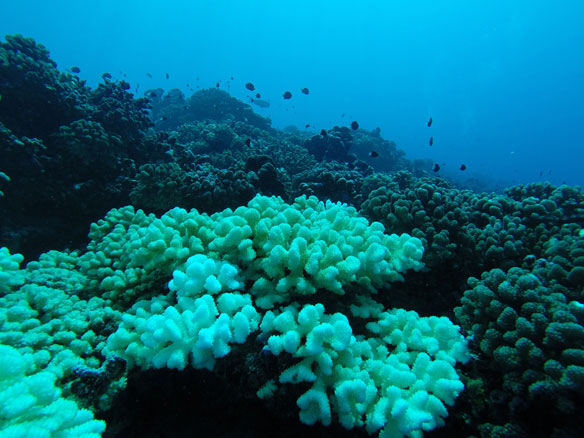
Australia’s Great Barrier Reef has suffered another mass bleaching event – the third in just five years.
Underwater avalanches are trapping microplastics in the deep ocean
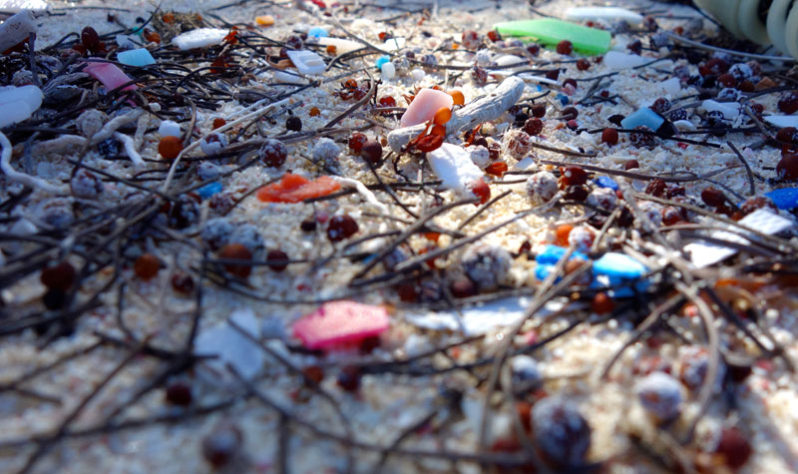
A collaborative research project between the Universities of Manchester, Utrecht, and Durham, and the National Oceanography Centre has revealed for the first time how submarine sediment avalanches can transport microplastics from land into the deep ocean.
Simple framework helps future ocean studies
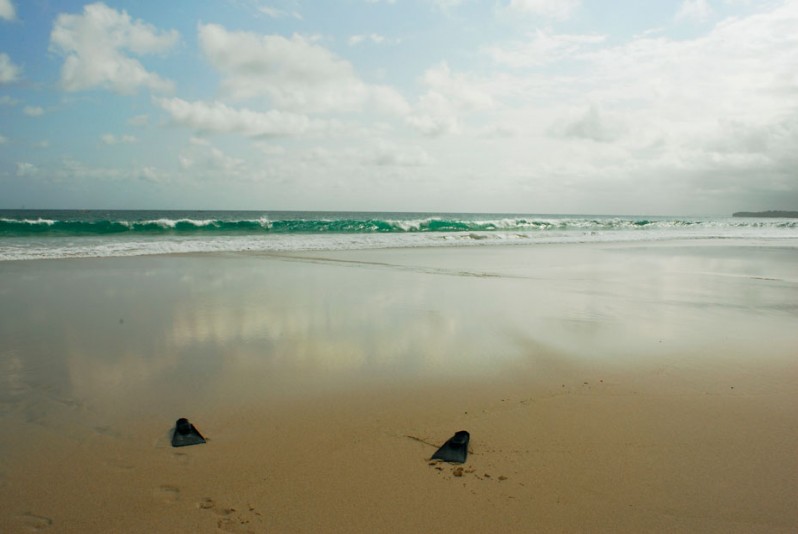
A range of information is collated through a simple framework that will help marine scientists to design more accurate experiments that will better help them understand the projected impact of global warming on marine life.
Beyond your doorstep: What you buy and where you live shapes land-use footprint
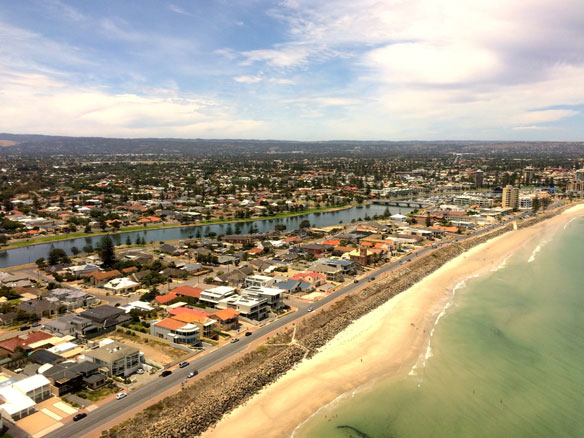
In recent years, the attention of scientists and environmentalists has turned toward how population growth and urban expansion are driving habitat loss and an associated decline in ecosystem productivity and biodiversity. But the space people directly occupy is only one part of the land-use puzzle, according to new research.
Mangrove forests protect coastlines. ‘Synthetic mangroves’ could do the same for cities.
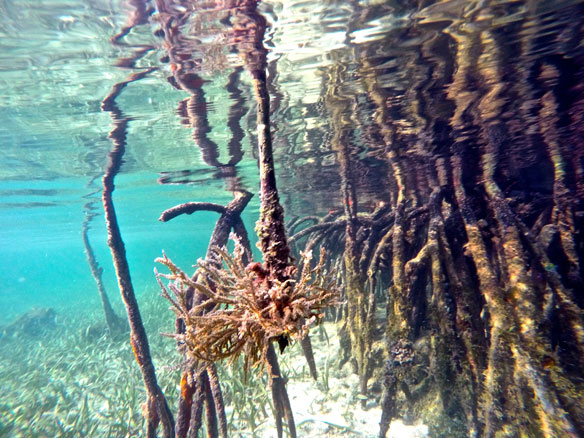
To better understand exactly how mangroves can grow in the ocean yet pump freshwater up to their leaves, engineers constructed what they’re dubbing “synthetic mangroves.” The idea for using their wannabe trees: incorporating them into the design of cities to make buildings more resilient in the face of storm surges.