
Interactive | Growing Up In Climate Chaos – the New York Times

When you’re a teenager, everything can feel like a crisis. But for these teenagers living in areas around the world affected by climate change, the sense of growing crisis is real — not in some hazy future but today, disrupting their adolescence in ways both large and small….
This coastal tribe has a radical vision for fighting sea-level rise in the Hamptons – Vox

Next to some of the priciest real estate in the world, the Shinnecock Nation refuses to merely retreat from its vulnerable shoreline…
San Clemente’s ‘sand czar’ looks to turn back the tide of coastal erosion – the Los Angeles Times
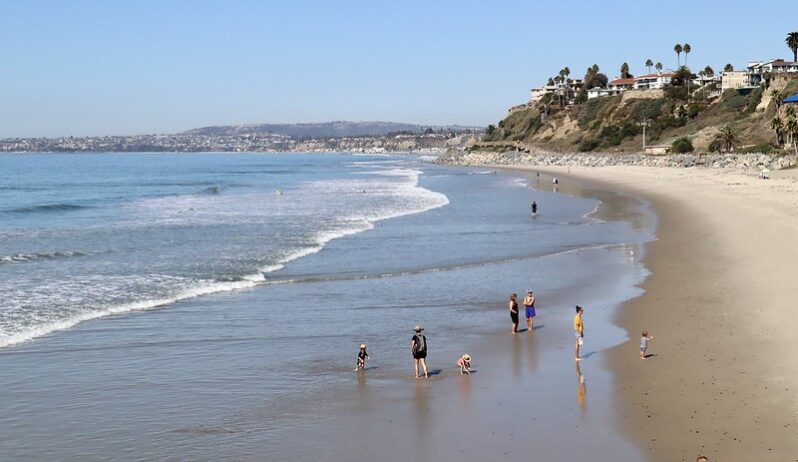
Before becoming San Clemente’s new coastal administrator last year, the beach has always held a nostalgic place in Leslea Meyerhoff’s heart. “Some of my earliest memories are walking the beach in Santa Monica with my grandma,” she said. “I also recall fond times boogie boarding, collecting seashells or just enjoying a stroll at the beach.”..
Billionaire accused of stealing sand from Malibu’s Broad Beach, lawsuit says – the Los Angeles Times
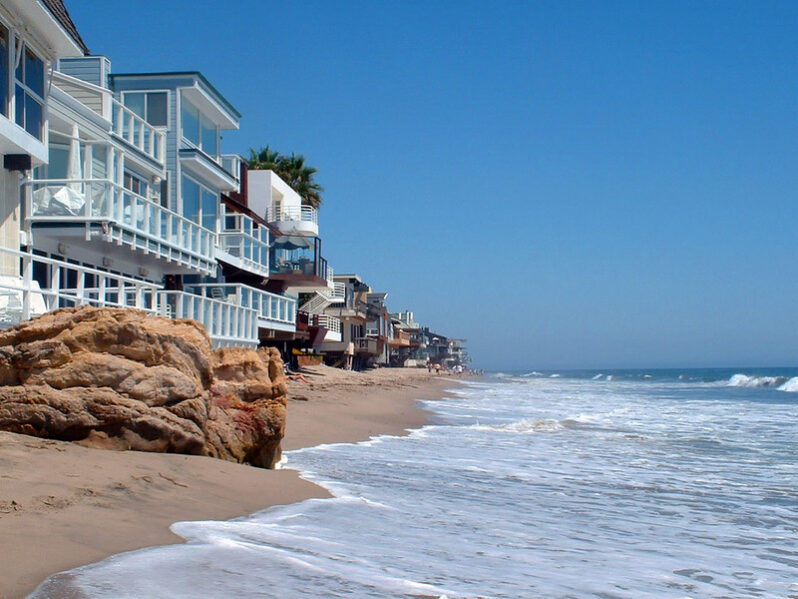
A lawsuit filed last week alleges that Mark Attanasio, billionaire businessman and owner of the Milwaukee Brewers baseball team, has been using excavators to dig up sand from Broad Beach and carry it back to his house as part of an ongoing construction project…
Sand trafficking: a scourge that is worsening in Latin America – El Nuevo Siglo | Insight Crime
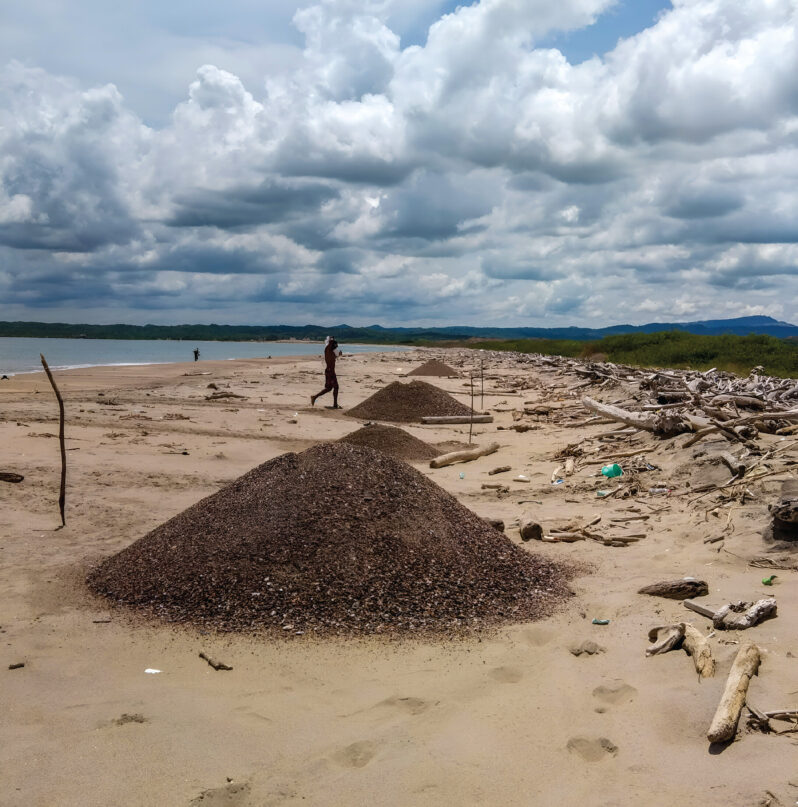
Low risk, difficult to detect and with huge profits, this crime affects most countries in the region. There are several ‘cartels’ in this black market…..
Beach Nourishment: A Critical Look – Gary Griggs | Journal of Coastal Research
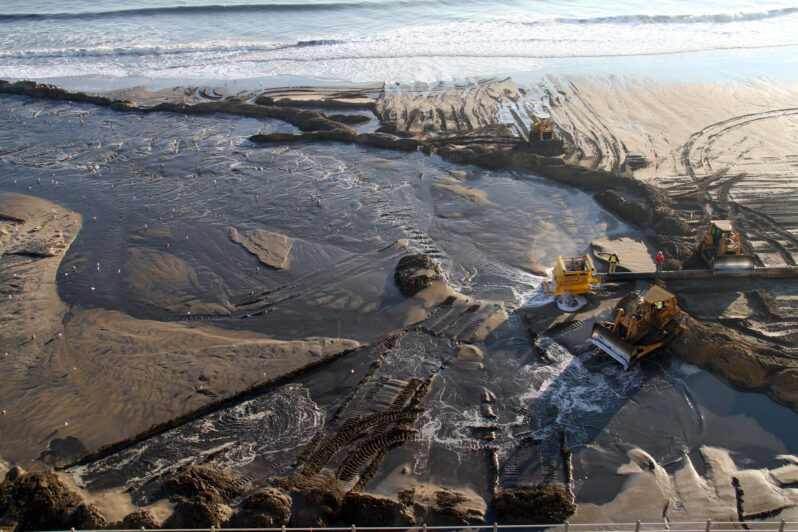
More than $15 billion, mostly federal dollars, have been spent moving sand to the shoreline for both recreational and shoreline protection benefits. Still, whether in New Jersey, New York, North Carolina, Florida, or California, the life span of the sand added artificially to these beaches in many cases has been relatively short and in some instances has been less than a year…
Sand Dollars – CBS News Investigations
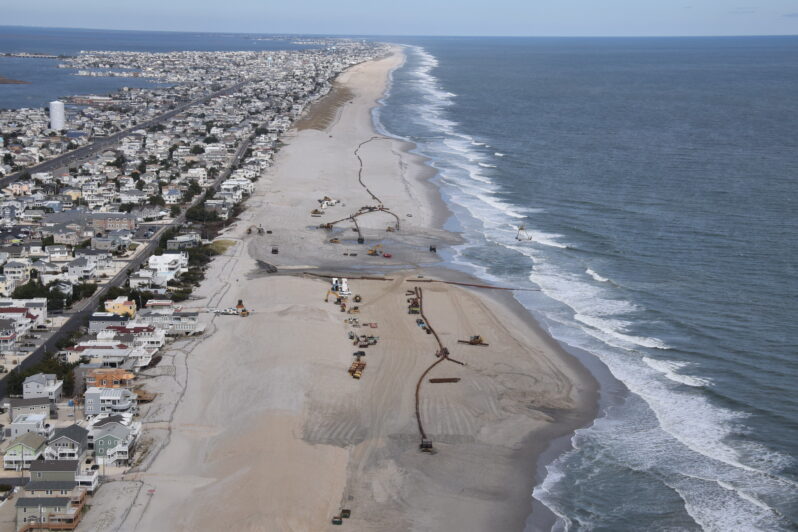
Federal agencies spend millions every year replacing sand on beaches. Some experts say it’s a waste of tax money….
Looting of the sea: the great sand theft – ABC
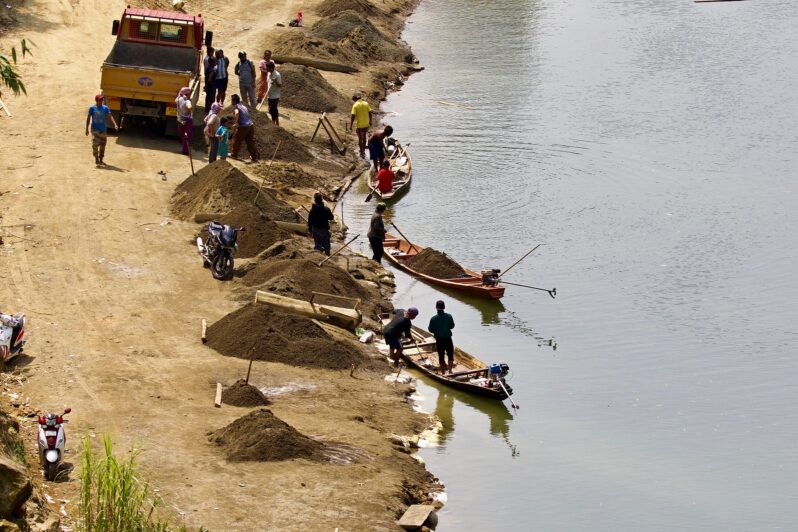
It is the most demanded raw material after water. It is used to make concrete, chips, detergents, paints… and even artificial islands. The big cities are hungry for sand and to satisfy it, the world’s beaches are being plundered….
This Isn’t Your Grandparents’ Summer Heat – Scientific American

The face of summer is transforming, as people today face more frequent, longer-lasting and hotter heat waves than they did several decades ago…