
Atlantic City and Miami Beach: two takes on tackling the rising waters
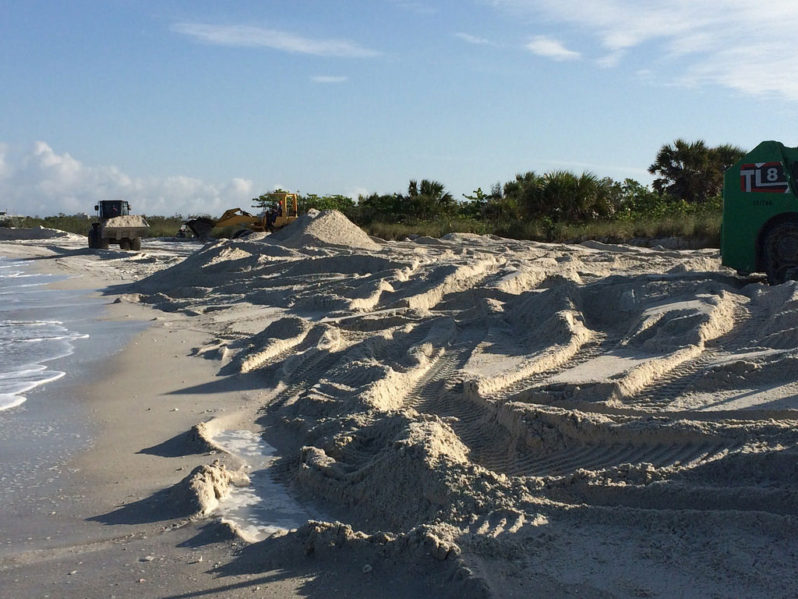
Sea level rise is making floods more common and as the New Jersey resort braces for the next Sandy, the well-heeled Florida city is throwing money at the problem
Calif. City Tries Shifting Sands Amid Disappearing Beaches
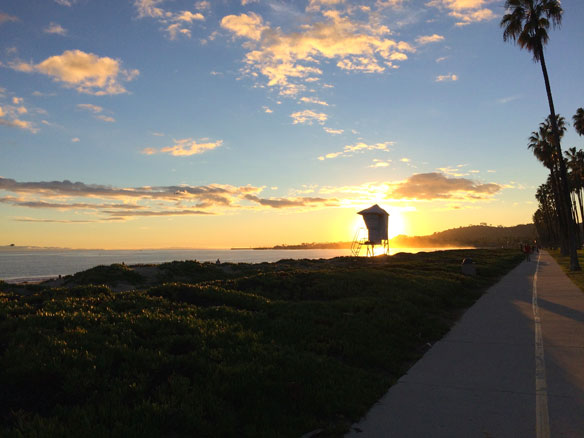
Today, with sea level rise and erosion threatening to eat away at the sandy expanses and damage city infrastructure, Santa Monica is testing a softer intervention. In a partnership with the nonprofit Bay Foundation, 3 acres of the beach’s north end have been seeded with native California dune plants.
Increase in extreme sea levels could endanger European coastal communities
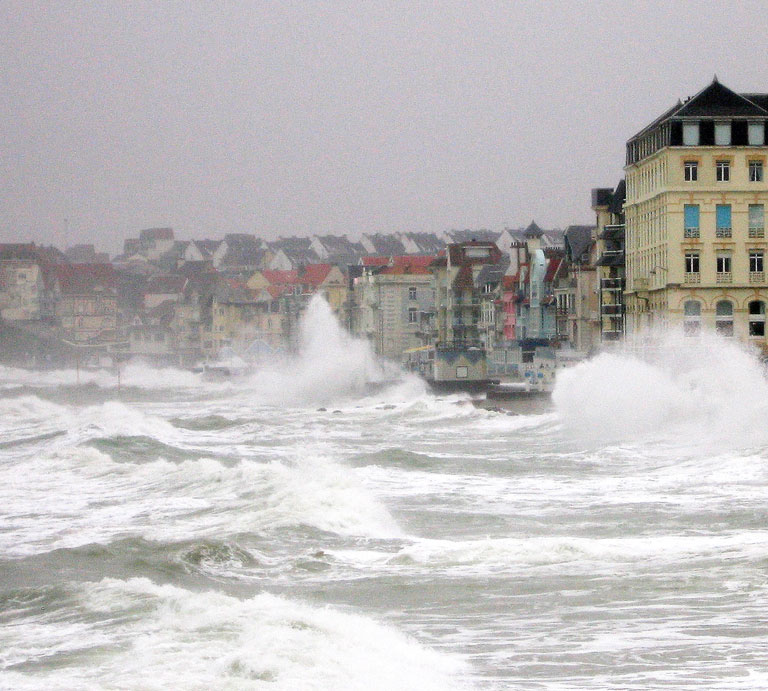
Massive coastal flooding in northern Europe that now occurs once every century could happen every year if greenhouse gas emissions continue to rise, according to a new study.
Study finds knowledge gaps on protecting cultural sites from climate change

Many cultural sites vulnerable to climate-related changes such as rising sea levels, coastal erosion and flooding from stronger storms, warn researchers.
Some Virginia barrier islands are shrinking by the day: “You can just feel it”
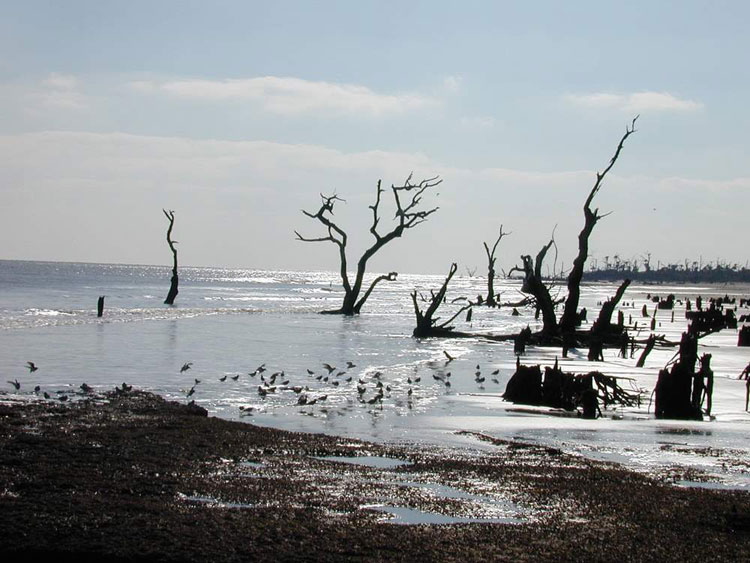
Dozen islands are shrinking in Virginia’s barrier chain, which stretches for about 75 miles along the Eastern Shore.
Coastal policy needs dose of reality; Op Ed by Orrin Pilkey
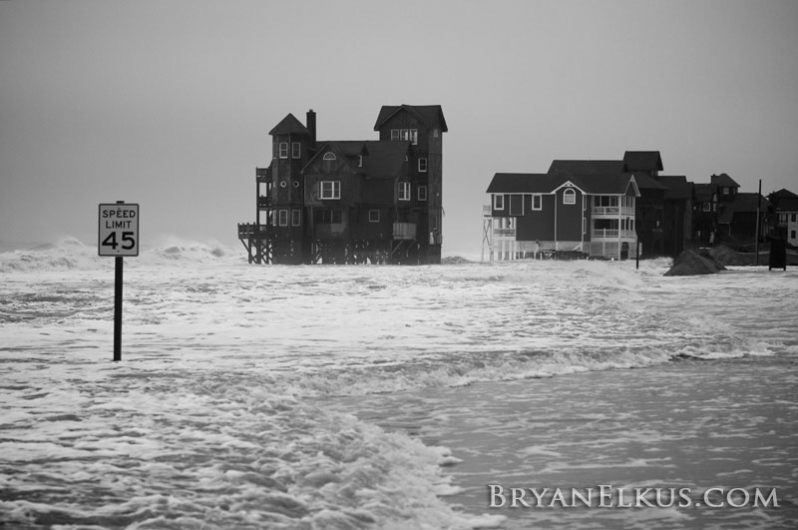
Governor-elect Roy Cooper, with whatever powers he has left, has two particularly important tasks facing him on the environmental front. One is to reinvigorate and restore the state’s Department of Environmental Quality (DEQ) and to bring robust science to the fore. The second task is to bring our coastal management program into the 21st Century.
Orrin H. Pilkey: Heading over the coastal cliff in North Carolina; Op Ed
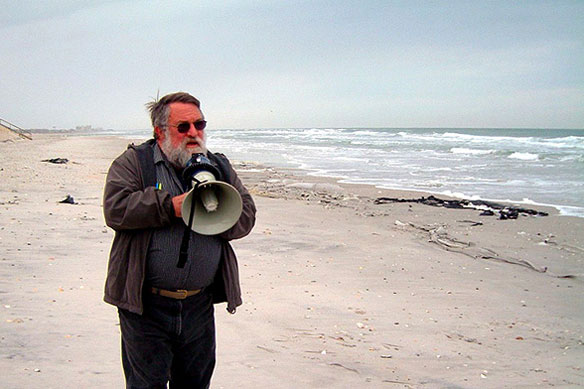
In the December 16 issue of Science, an insightful article about sea-level rise argues that there is a good possibility that the increase will exceed six feet by 2100.
As Climate Change Accelerates, Floating Cities Look Like Less of a Pipe Dream

A plan to respond to climate change by building a city of floating islands in the South Pacific is moving forward, with the government of French Polynesia agreeing to consider hosting the islands in a tropical lagoon. But the project has critics in French Polynesia and beyond.
Changes in Rainfall, Temperature Expected to Transform Coastal Wetlands This Century
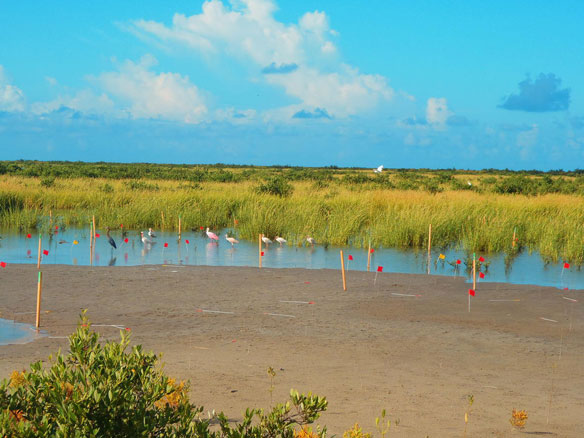
Sea-level rise isn’t the only aspect of climate change expected to affect coastal wetlands: changes in rainfall and temperature are predicted to transform wetlands in the Gulf of Mexico and around the world within the century. These changes will take place regardless of sea-level rise.