
‘Extremely disturbing’: High levels of heavy metals at Monterey Bay Estuary – the Los Angeles Times
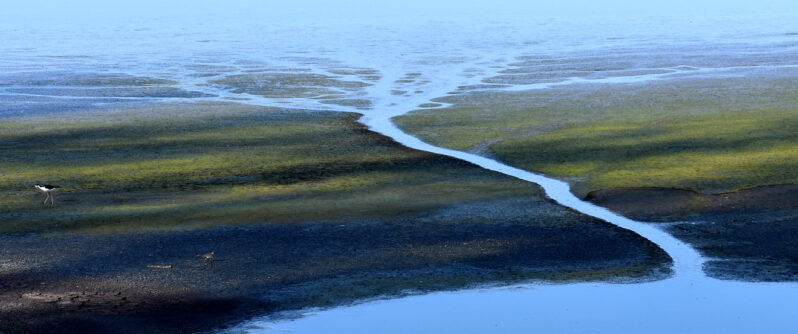
Days after one of the world’s largest lithium ion battery storage facilities burst into flames in Monterey County, researchers found alarmingly high concentrations of heavy metals at a nearby estuary that is home to several endangered species…
Tearing Down Small Dams Is Helping Restore Northeast Rivers – Yale Environment 360
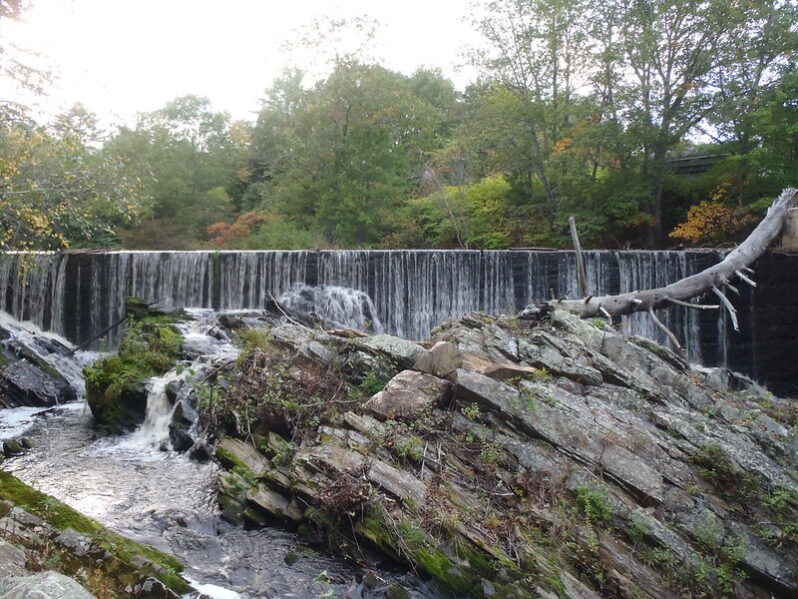
More than 30,000 small dams currently block river tributaries from Maine to Maryland. New initiatives to remove them are aimed at restoring natural flows, improving habitat for aquatic life, and reopening thousands of river miles to migratory fish, from shad to American eels.
Trouble in paradise – Oceanographic Magazine
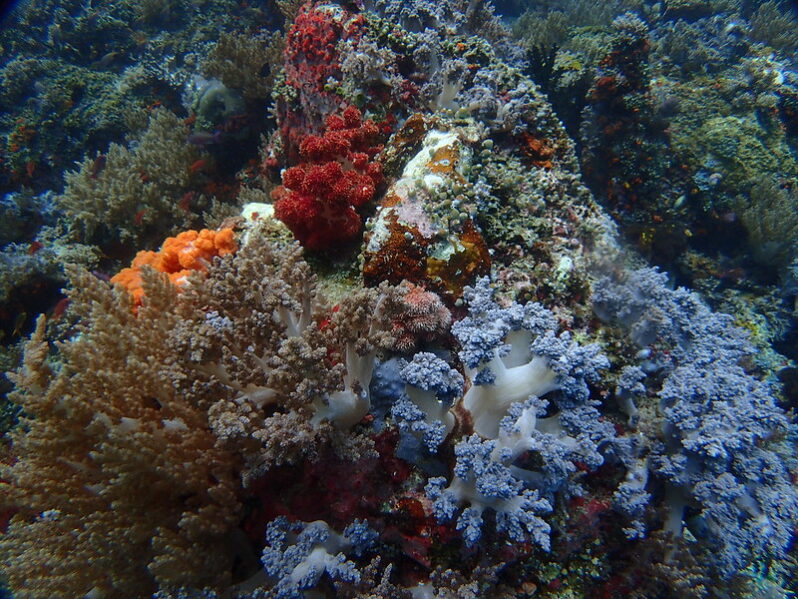
In the biodiversity oasis of Raja Ampat, cyanobacteria poses a serious threat to the region’s abundant coral reefs. Is tourism to be blamed?…
Study finds microplastic contamination in 99% of seafood samples – the Guardian

The peer-reviewed study detected microplastics in 180 of 182 samples comprising five types of fish and pink shrimp…
In a first, scientists find microplastics are building up deep in our brains – the Washington Post
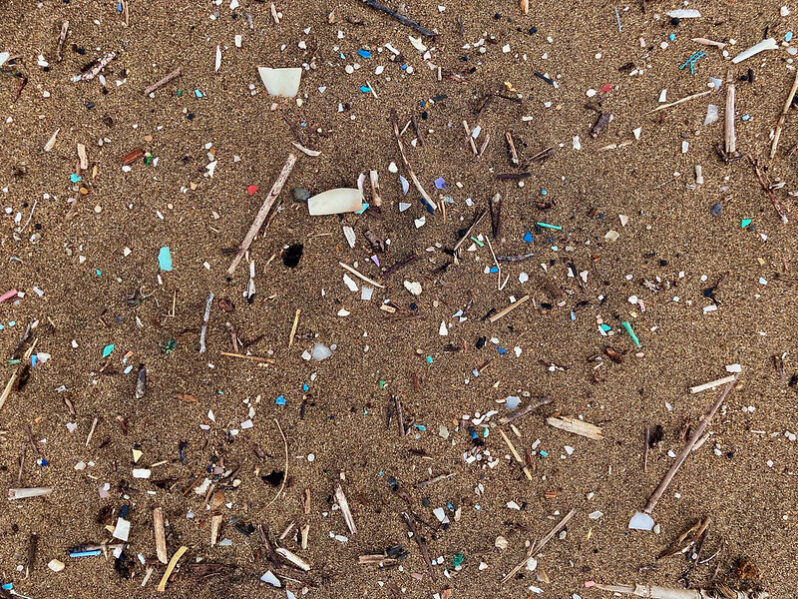
A new study shows that microplastics have crossed the blood-brain barrier — and that their numbers are rising…
Plastic pollution wipes out Kabul river’s turtles and Sher Mahi fish – the Express Tribune
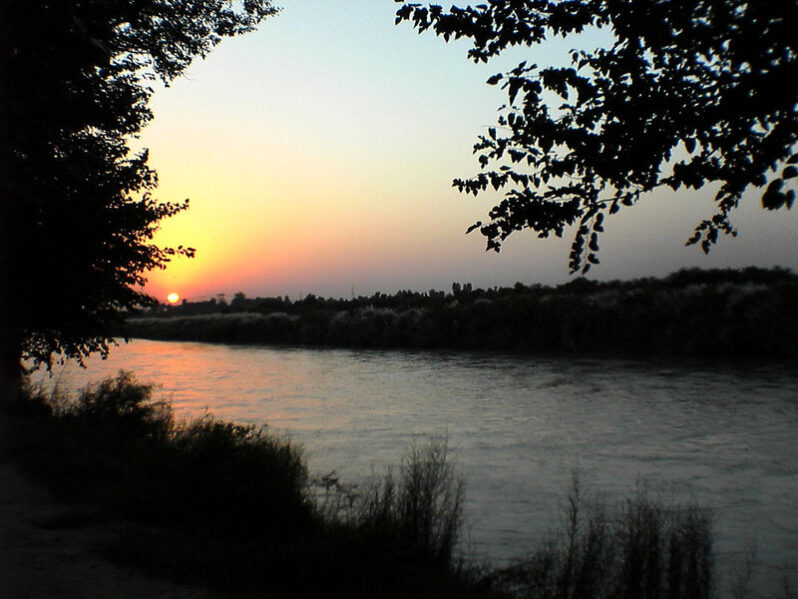
Once a thriving haven for aquatic life, the Kabul River is now a shadow of its former self. Severe plastic pollution is poisoning the water and decimating the river’s biodiversity, including the famous Sher Mahi fish…
What’s the deal with microplastics, the material that ‘never goes away’? – SCOPE – Stanford Medicine
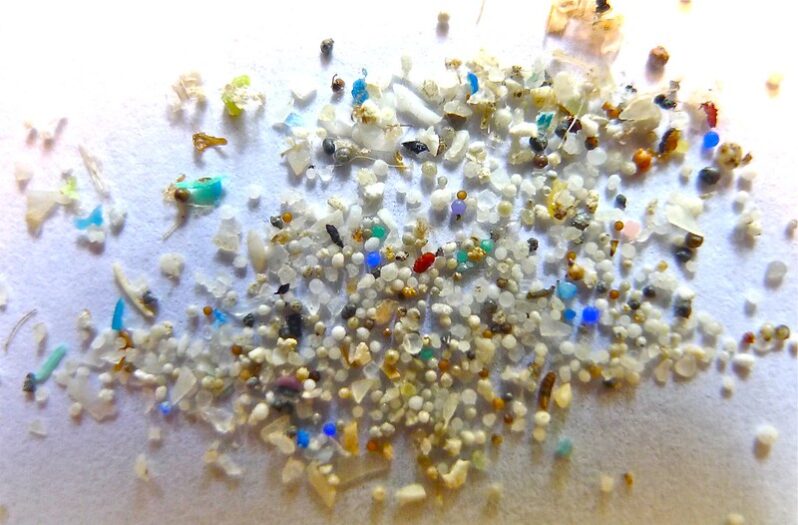
They’re in the water we drink, the food we eat, the clothes we wear and the air we breathe. They’ve pervaded every ecosystem in the world, from coral reefs to Antarctic ice. And they’ve infiltrated the human body, lodging themselves in everything from brain tissue to reproductive organs…
L.A. fires wreaked havoc on the land. Scientists are racing to learn what they’ve done to the sea – the Los Angeles Times
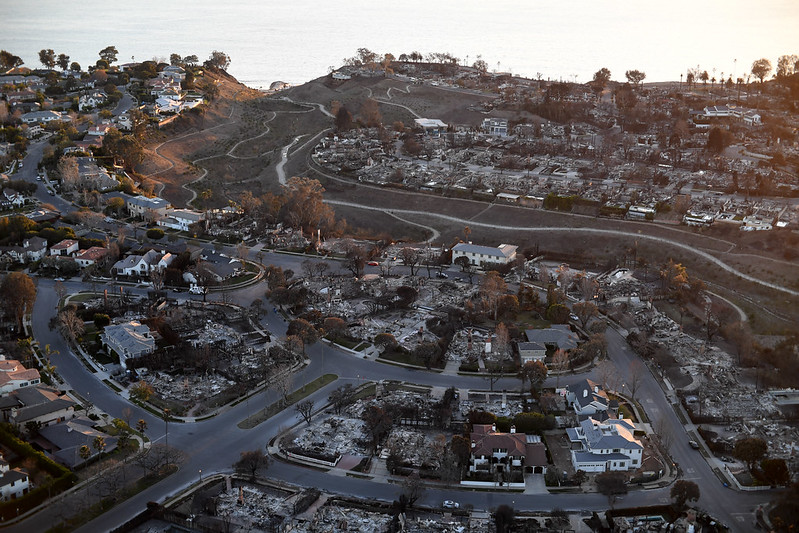
The charred and toxic remnants of thousands of destroyed homes, businesses, cars and electronics will eventually come to rest in the ocean.
Ash from the fires has been detected 100 miles offshore.
Public health officials have urged people to avoid several miles of beaches as recent rains wash contaminants into the sea.
Despite Government Ban, Illegal Mining Flourish In Bauchi, Children Abandon Schools – Sahara Reporters
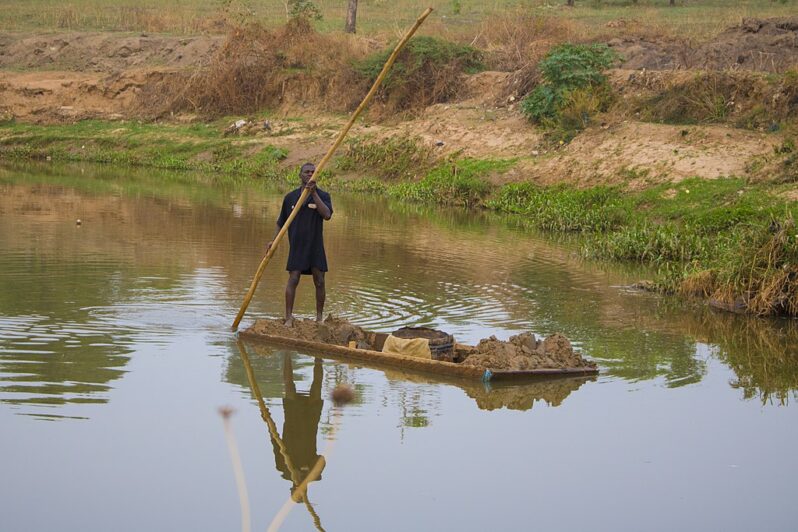
In Bauchi State’s mining communities, children as young as 10 abandon classrooms for mining sites. They toil alongside adults, extracting sand and breaking rocks under the scorching sun, hoping to scrape together enough for their families to survive. For these children, education is a distant dream distorted by the immediate demands of poverty…