
On the Great Barrier Reef, management by Traditional Owners is growing – Mongabay
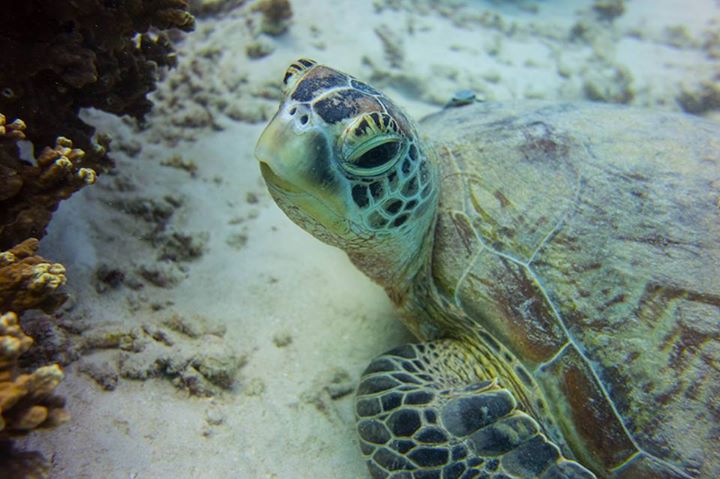
Joint management of the Great Barrier Reef is changing, with Traditional Owners playing an increasing role in the conservation of one of the seven natural wonders of the world…
Coral reefs off Benin, long presumed dead, discovered teeming with life – Frontiers in Marine Science
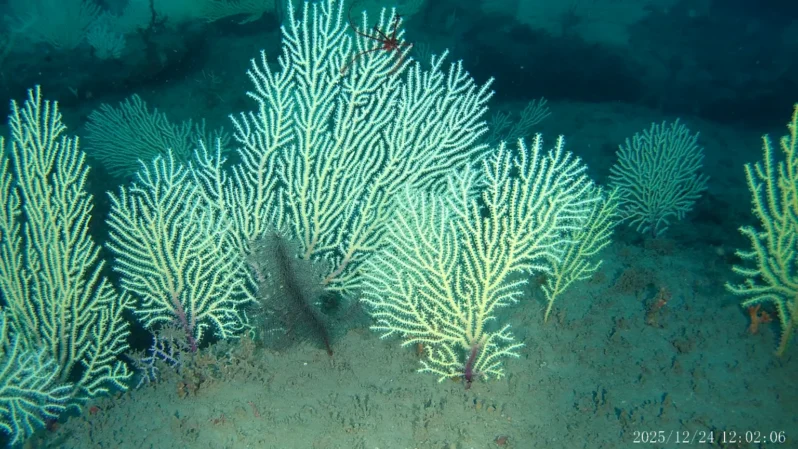
Using sonar surveys to narrow down their search areas and then an underwater drone and trail cameras to investigate, they identified a mesophotic coral garden teeming with species of reef-loving fish and multiple different varieties of coral. The researchers suspect that other as-yet undiscovered reef ecosystems could still be out there…
Traditional protection proves more successful for clams in American Samoa – Mongabay
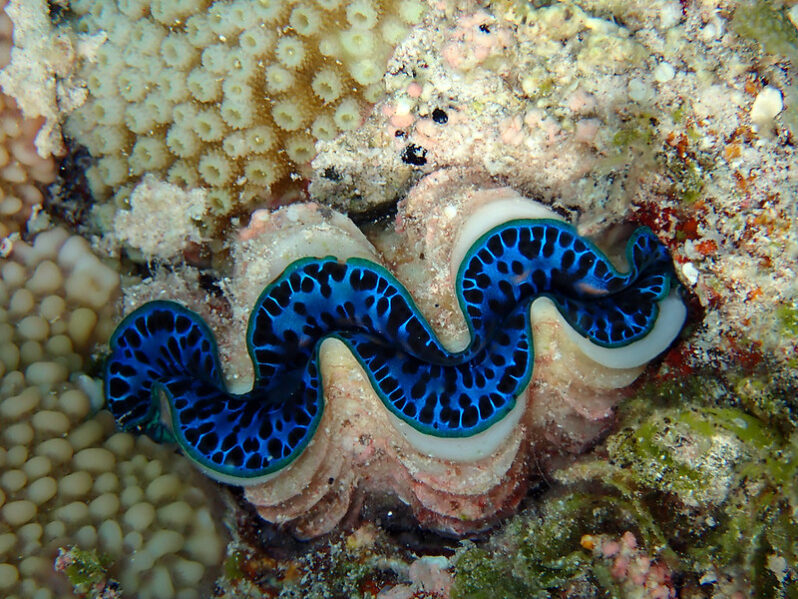
For coastal Indigenous communities in American Samoa, giant clams are deeply rooted in fa‘a Sāmoa (the Samoan way of life) and local food systems…According to the findings of a study published in PeerJ, it is village-based protections like fa‘asao (fishery closures) that have helped conserve giant clams lying in the islands’ shallow water coral reefs. The authors found that the highest clam densities and species are located in remote sites and areas under traditional village enforcement, outperforming federally designated no-take zones on the most populated island….
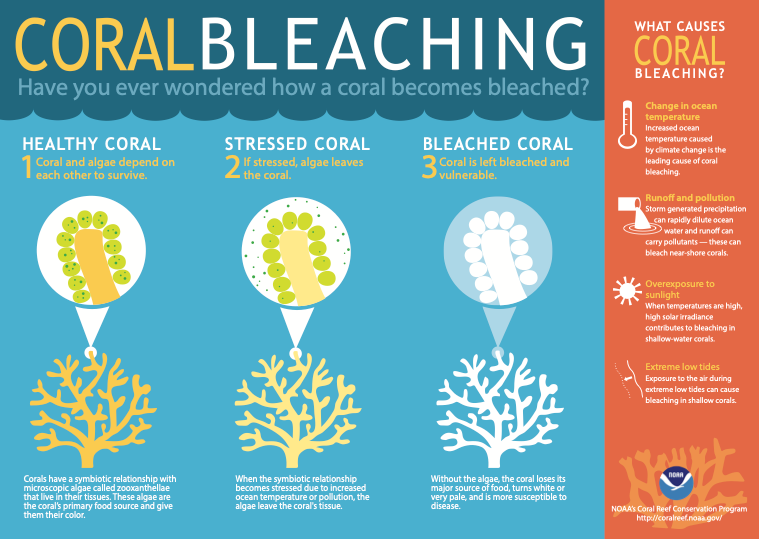
More than 80% of world’s coral reefs hit by worst bleaching event in history – the Independent

‘We’re looking at something that’s completely changing the face of our planet,’ scientists warn…
Trouble in paradise – Oceanographic Magazine
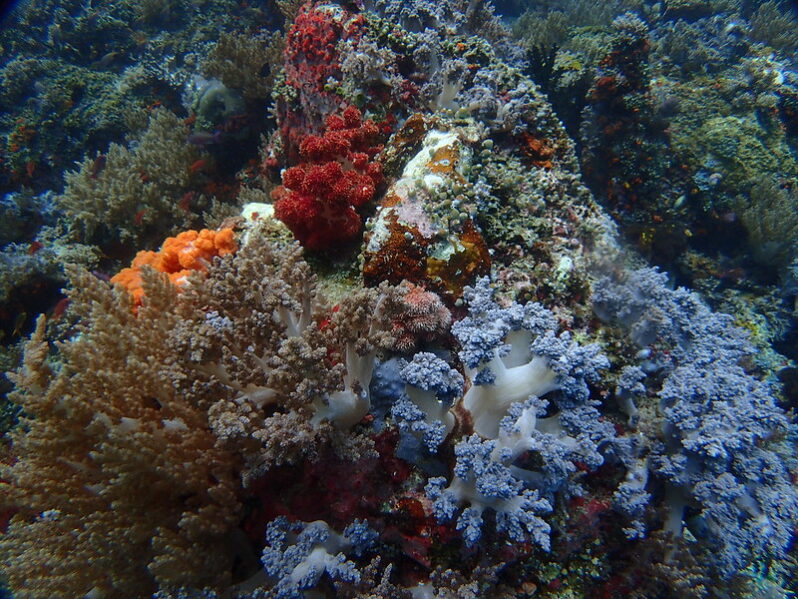
In the biodiversity oasis of Raja Ampat, cyanobacteria poses a serious threat to the region’s abundant coral reefs. Is tourism to be blamed?…
Ocean acidification is a deeper crisis than we first thought – Oceonographic

Once thought to be the concerns of surface level layers of the ocean, headlines over the past week indicate that ocean acidification is now sinking into marine regions as deep as 1,500 metres – posing new threats to the marine life…
Seabird poop helps restore coral reefs – Mongabay Kids
Exciting news! Scientists working on reefs in the Indian Ocean have discovered that nutrients from seabird poop help corals grow…
Seabird poop is recipe for coral recovery amid climate-driven bleaching – Mongabay
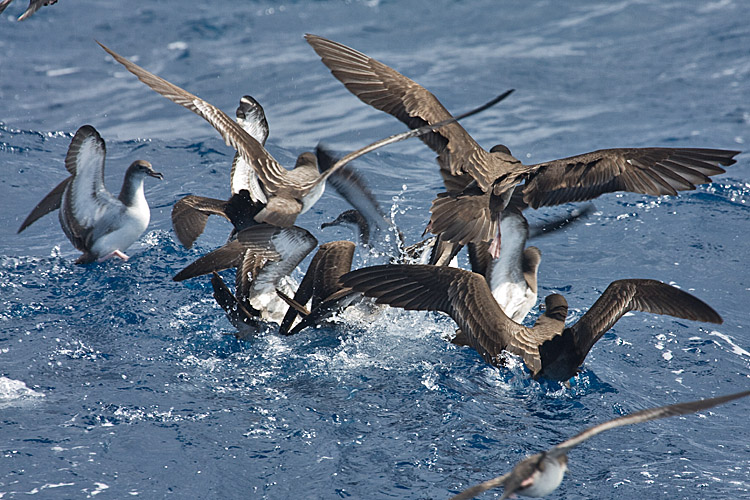
Researchers have found that nutrients from seabird poop led to a doubling of coral growth rates and faster recovery after bleaching events, promoting overall resilience…
The Maldives Is Racing To Create New Land. Why Are So Many People Concerned? – Nature
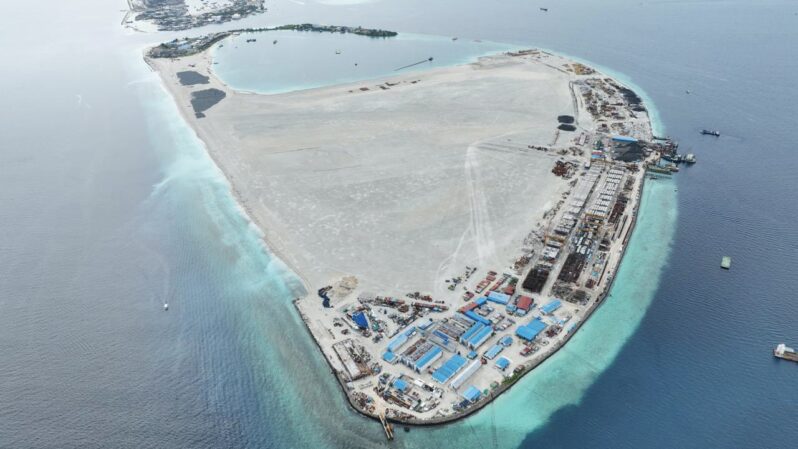
Sun, sand and sea.” Those are the three ingredients for tourism in the Maldives, Mohamed Shaiz’s father told him. For more than a decade, Shaiz’s family owned a successful local hotel in Addu, the Maldives’ southernmost atoll. But nearly 9 months ago, the government took away the sea…