
Video Captures the Violent Act of Coral Bleaching
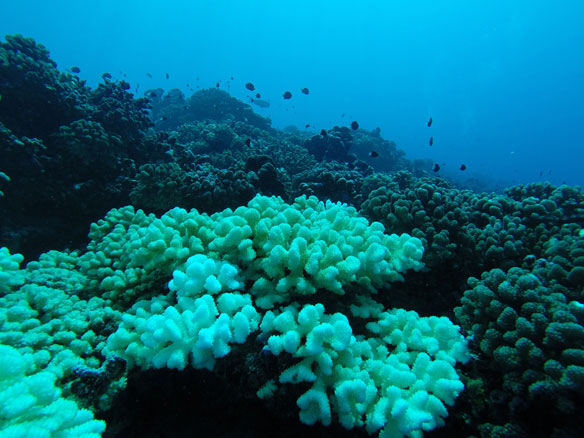
The video revealed for the first time how the mushroom coral Heliofungia actiniformis, which is a single polyp, physically reacts to heat stress. The results gave scientists more information about how corals will respond to warming seas that are associated with climate change.
A New View of Coral Reefs; Video
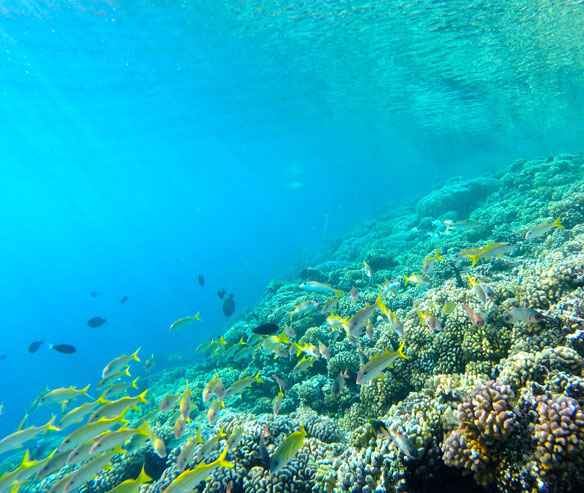
NASA’s Coral Reef Airborne Laboratory (CORAL) has studied the Great Barrier Reef off the coast of Australia and has several other targets planned.
Great Barrier Reef suffered worst bleaching on record in 2016
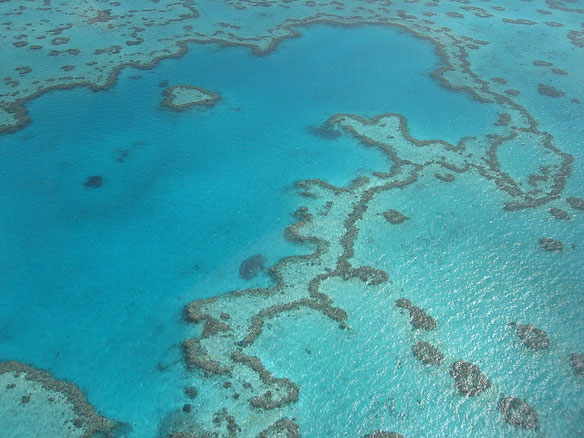
Higher water temperatures in 2016 caused the worst destruction of corals ever recorded on Australia’s Great Barrier Reef, a study has found.
Can killer robots save ocean ecosystems?
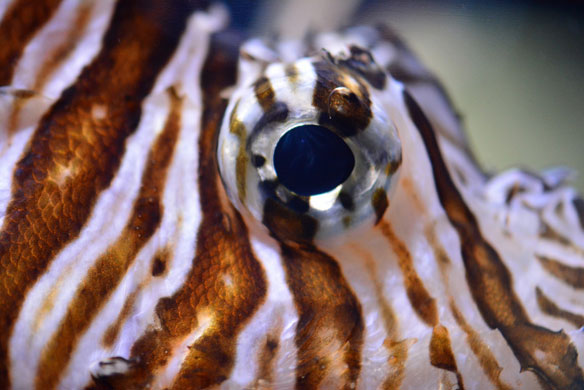
Few predators can match the devastating impact of the lion fish. Since arriving in US waters in the 1980s, these fearsome creatures have left a trail of destruction along the Atlantic Coast, from Rhode Island to Venezuela. Lionfish can reduce a flourishing coral reef to barren wasteland in a matter of weeks.
Pacific Ocean’s hidden wonders revealed on dive to underwater volcano
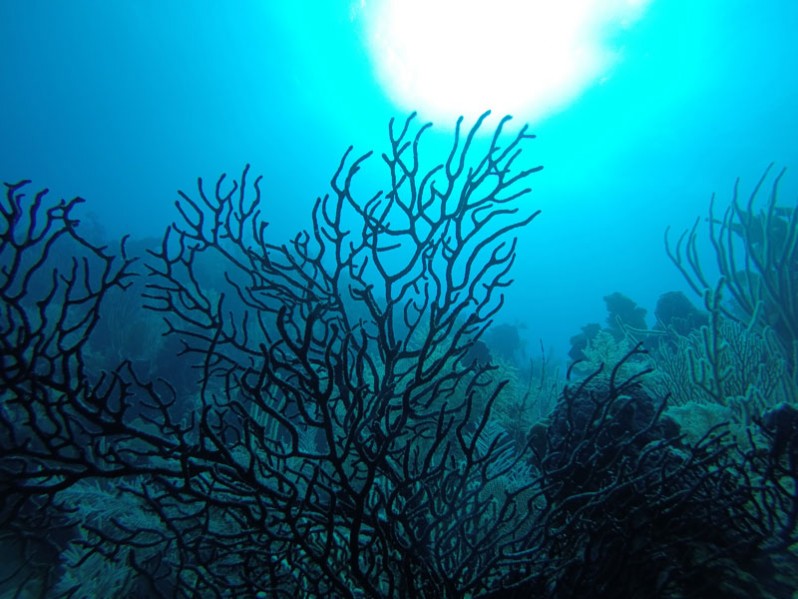
Scientists believe they have identified a new species of coral and found a rare Dumbo octopus during an expedition 3,000ft (900m) down in the Pacific Ocean.
Hiding in plain sight: Vast reef found hiding behind Great Barrier Reef
James Cook University, University of Sydney and Queensland University of Technology scientists working with laser data from the Royal Australian Navy have discovered a vast reef behind the familiar Great Barrier Reef.
World’s deepest blue hole found in South China Sea
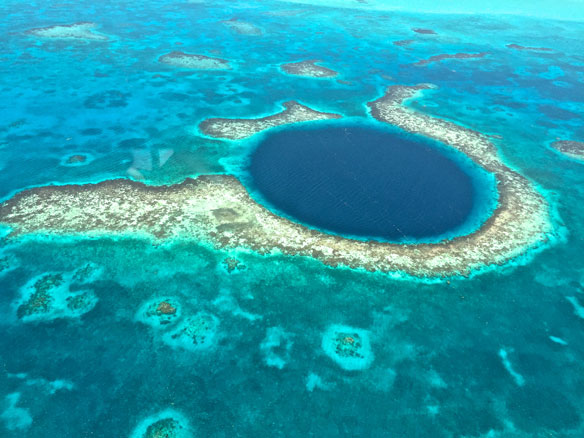
A new exploration of a legendary blue hole in the South China Sea has found that the underwater feature is the deepest known on Earth.
The Great Barrier Reef: a catastrophe laid bare
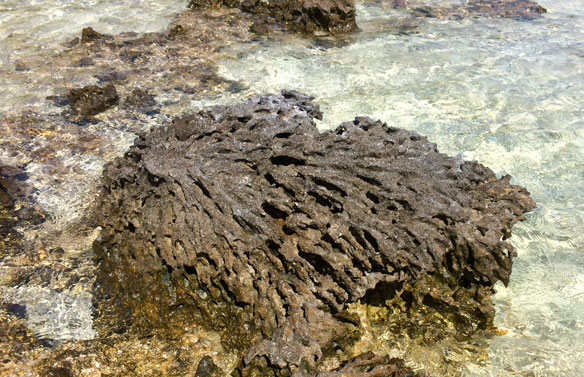
Australia’s natural wonder is in mortal danger. Bleaching caused by climate change has killed almost a quarter of its coral this year and many scientists believe it could be too late for the rest. Using photographs and new data, a Guardian special report investigates how the reef has been devastated – and what can be done to save it.
Great Barrier Reef Near Whitsunday Islands
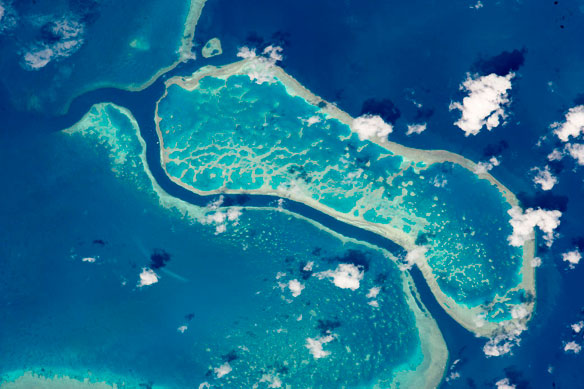
The Great Barrier Reef is the largest reef system on Earth, with more than 3,000 separate reefs and coral cays. It is also one of the most complex natural ecosystems, with 600 types of corals and thousands of animal species from tiny planktons to whales.