
Outrage At Drilling Permit For Australia Reef
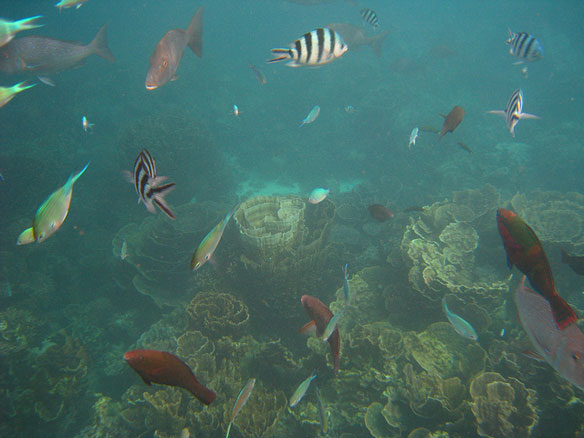
UNESCO just listed Australian western Ningaloo coast as a World Heritage site late last month due to its reef, sea turtles and white whales.But environmentalists expressed outrage after the Australian government green-lighted a proposal from Shell to explore for gas nearby.
Division over future of Chagos islands and islanders
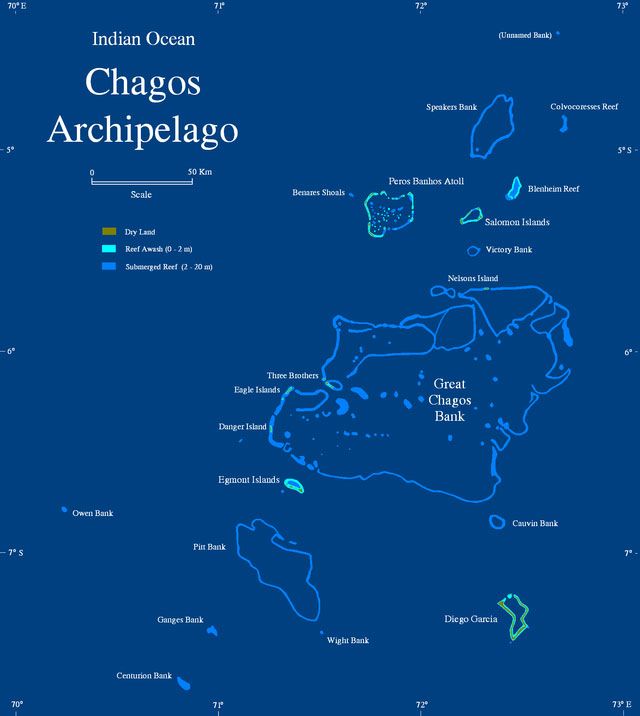
Meeting in London addresses environmental issues surrounding the ban on inhabitation of the Indian Ocean archipelago. The central question was how to balance the archipelago’s environmental importance with its original inhabitants’ argued right to go home.
Hong Kong bans trawling to save fish stocks and marine environment
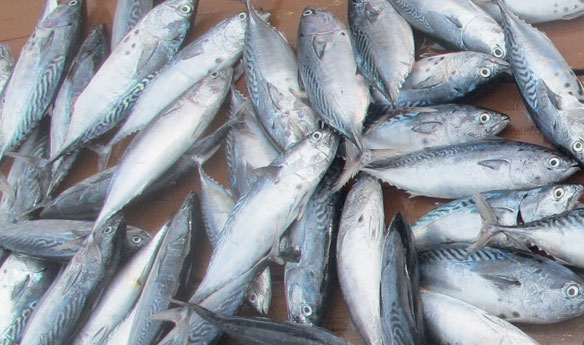
A decision welcomed by conservationists, as a crucial move to save fish stocks and revive the city’s depleted marine environment.
Capt. Kidd Shipwreck Site to Be Dedicated Living Museum of the Sea
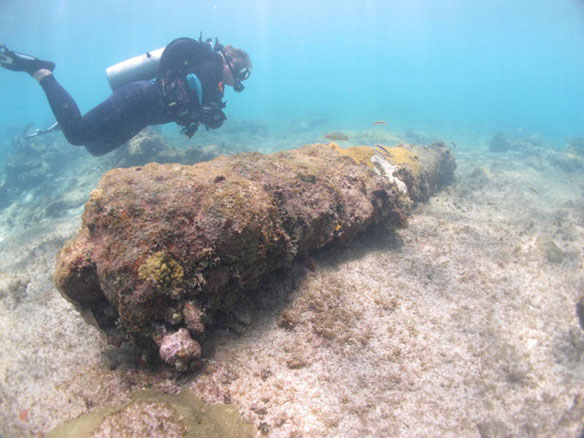
This unique museum, resting in less than 10 feet of water just 70 feet from Dominican Republic’s shoreline, will give divers the opportunity to see the 17th century ship remains, which rest on the ocean’s floor and will serve as home to sea creatures and protect precious corals and other threatened biodiversity in the surrounding reef systems.
New Caledonia’s Lagoon: Better Understanding for Better Protection
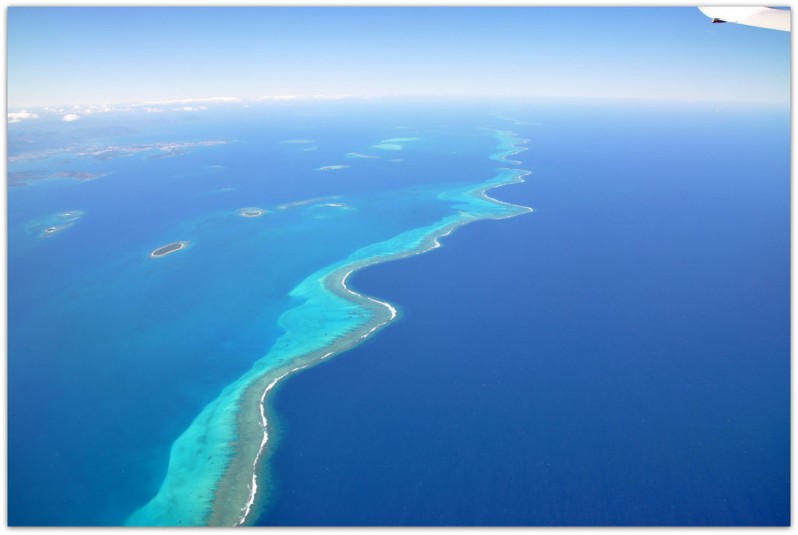
New Caledonia possesses the second largest coral reef lagoon on Earth and harbours an exceptional biodiversity. The island is also the world’s third most important nickel producer. Ore extraction over the 20th Century has in places tripled the input of sediments and accompanying pollutants, such as metals, in the marine environment.
Bioengineering Uses Vetiver Grass to Save Coral Reefs Near Guam
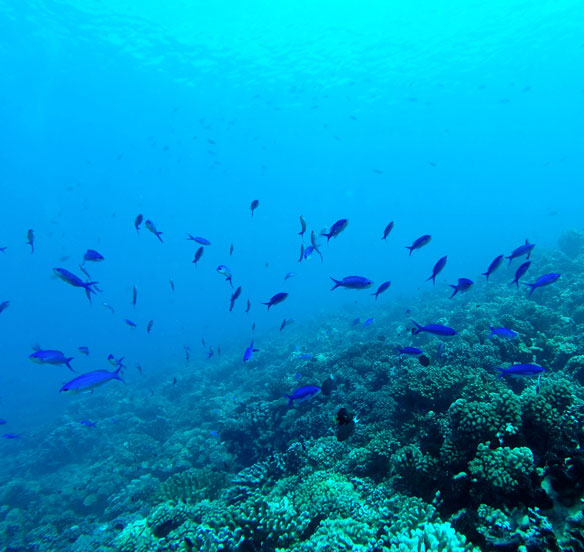
The vetiver grass system is a unique, economical and effective bioengineering technology for protecting coral reefs. It is also expected that these vetiver hedges may even be able to protect the beach area against tidal surge once their root systems are well established.
Corals Moving North to Escape Warming
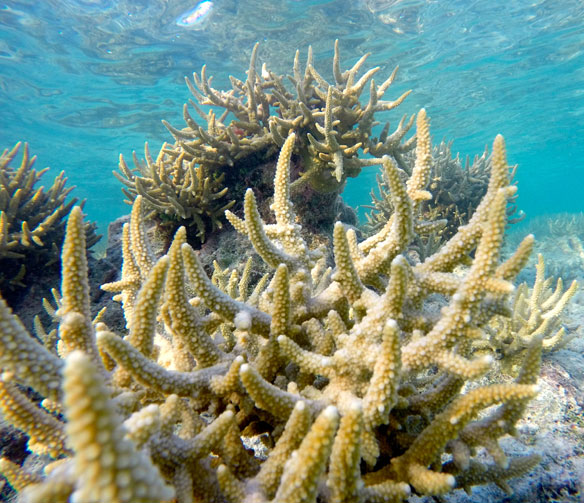
Corals are dying in tropical areas, but now it appears they are expanding their range poleward. However, even if range expansion of corals does occur, the amount of dying corals in tropical areas may be much greater than the new settlements in the temperate regions.
Last Chance Beach, Battling Erosion in Barbados
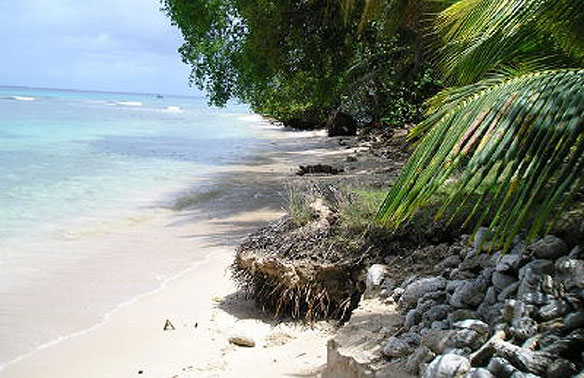
Around Barbados, the most serious threat to the beaches is the loss of coral reefs through nearshore pollution, primarily caused by domestic sewage, and physical clearing. As the reefs die, they lose their ability to reduce the energy and erosive force of incoming waves.
Reefs at Risk Report, Revisited: A Wakeup Call to Protect Coral
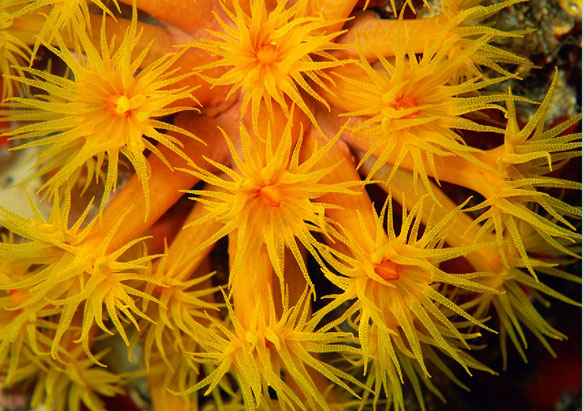
The new Reefs at Risk Revisited report is out, 13 years after the original Reefs at Risk, which was the first global assessment of the threats to Earth’s coral reefs and painted an alarming picture of their future. Today’s edition is even less rosy: three-quarters of the world’s coral reefs are at risk due to overfishing, pollution, climate change and other factors.